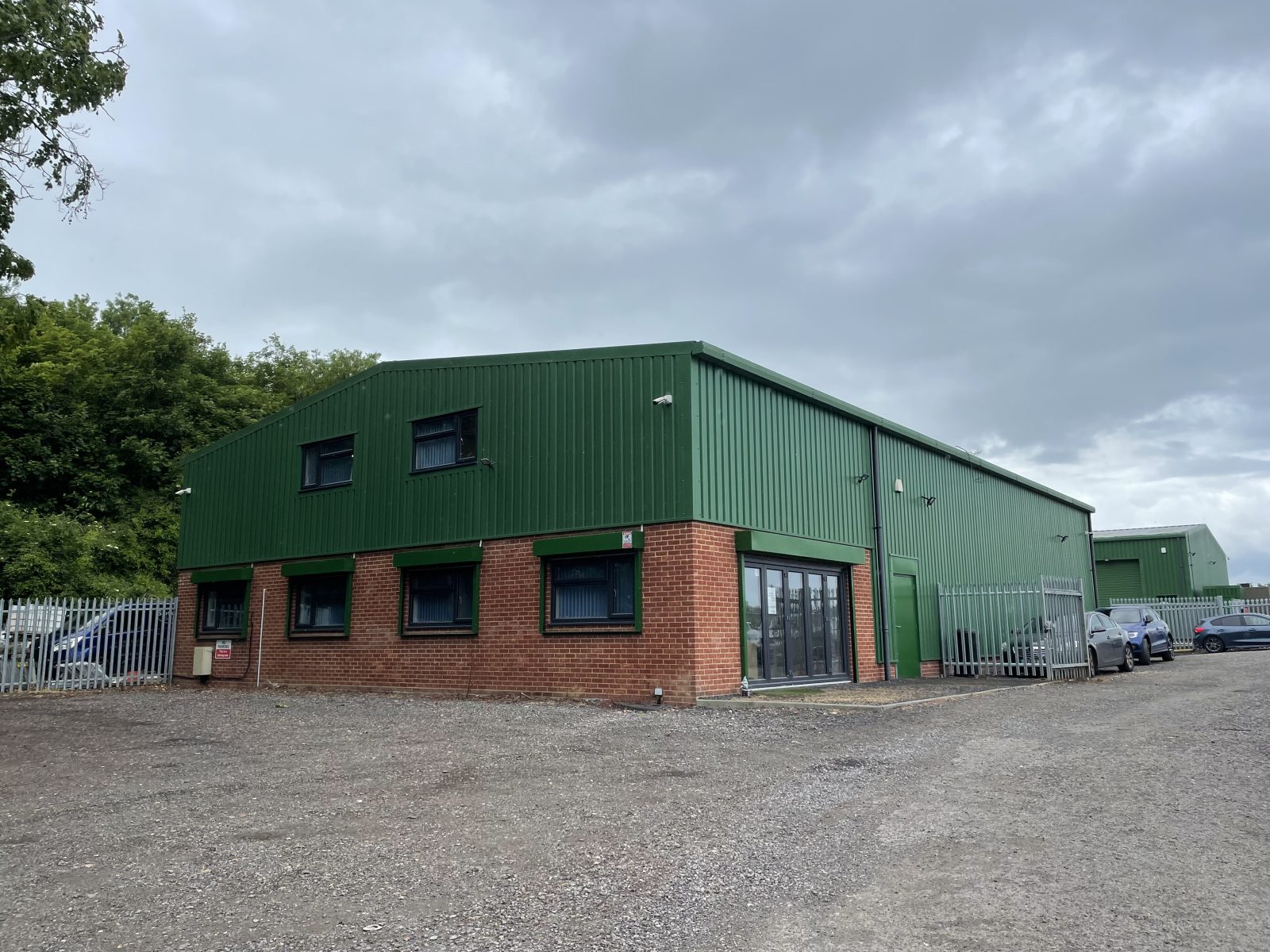
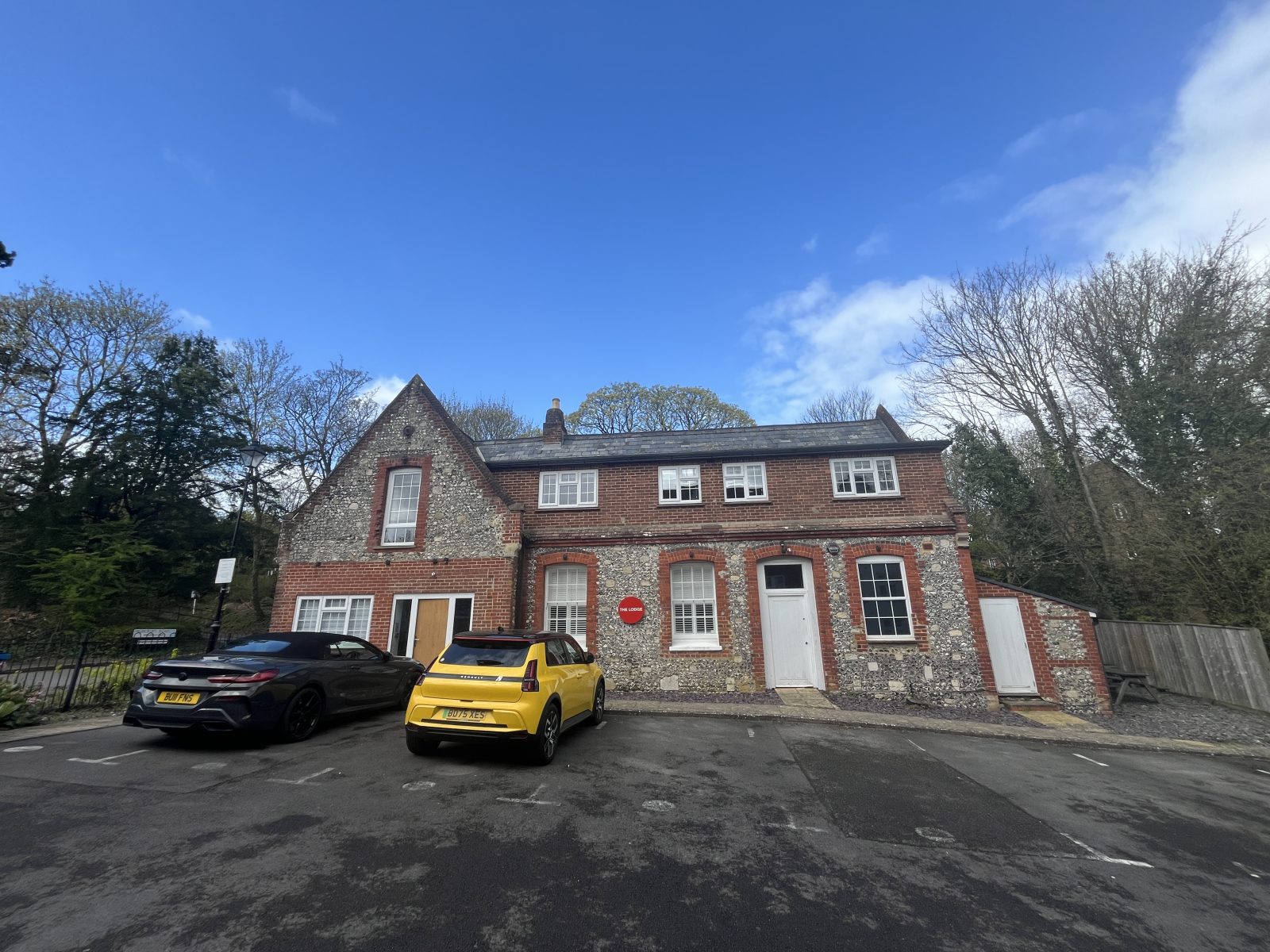
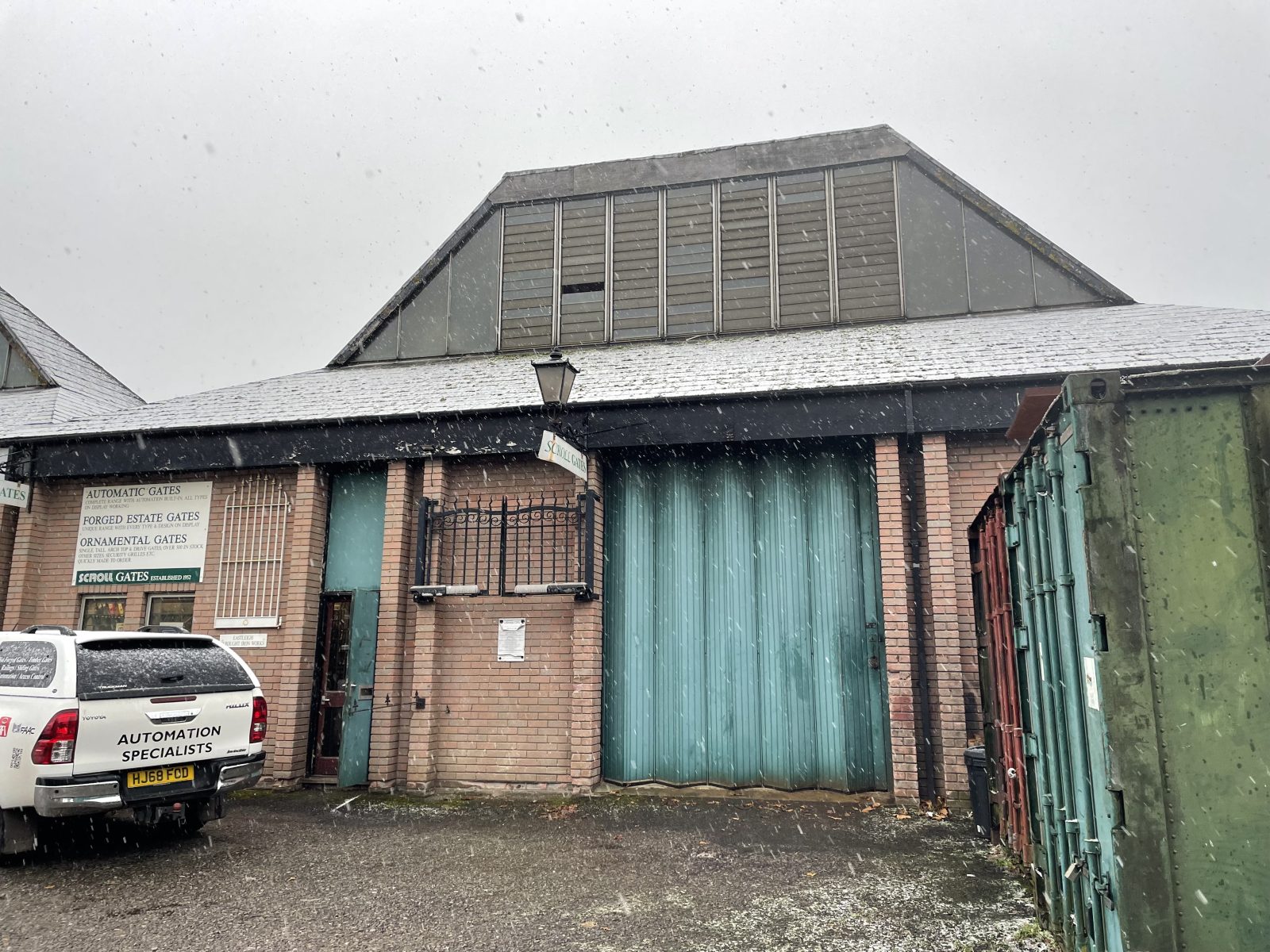
What our Winchester Schedule of Condition records
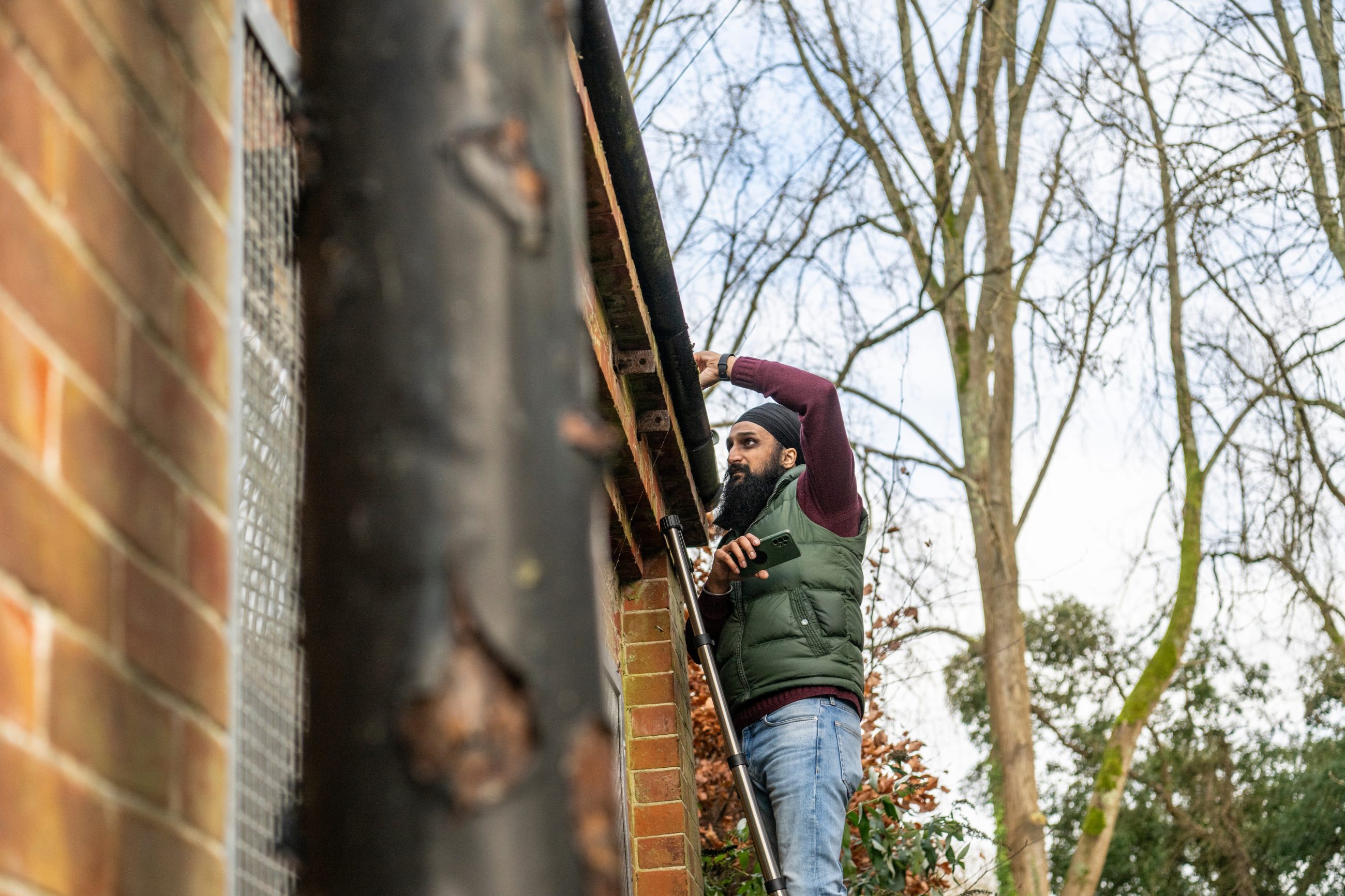
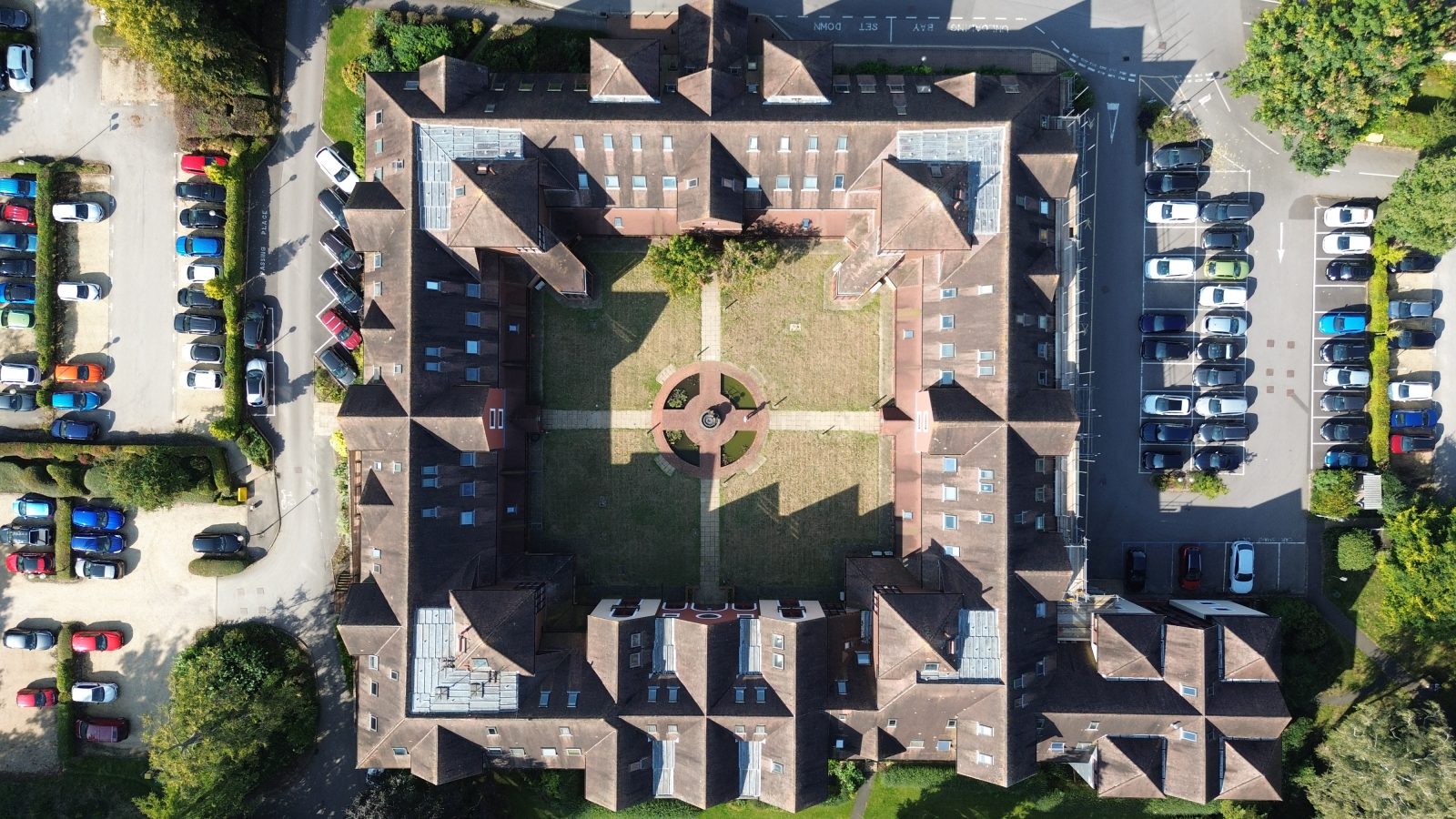
Our schedules are comprehensive, photographic records of the property’s condition at a fixed point in time, structured to stand up to scrutiny in any later dilapidations dispute. We document roof coverings and structure — inspected using drone technology as standard and at no additional cost, which is particularly useful on tall or complex period roofs; external elevations, walls, windows, rainwater goods and boundaries; internal fabric including floors, walls, ceilings, partitions, doors and finishes; mechanical and electrical services such as heating, ventilation, lighting and drainage; external areas including car parks, hardstandings, landscaping and fencing; and any existing alterations, fit-out items or bespoke features. Each element is described in plain, objective language and supported by high-quality photographs, so nothing is left open to interpretation. The finished document is prepared to a standard suitable for annexation to your lease and can be agreed with the landlord’s surveyor where required.
How a Schedule of Condition limits your dilapidations liability
The link between a Schedule of Condition at lease start and your dilapidations position at lease end is direct and significant. Where the schedule is properly recorded and annexed to the lease, your repairing obligations are typically qualified so that you need only return the property to the condition evidenced at the start of the term — no better. Without one, the starting point for a landlord’s claim is the full repairing standard implied by the lease. In Winchester’s older building stock, where pre-existing defects are common, that difference can be substantial. We have helped tenants save over one million pounds in dilapidations claims, with the strength of the position frequently resting on the quality of the evidence recorded at the outset. If you are entering a new lease, ask us about combining a Schedule of Condition with a commercial building survey at a reduced overall fee.
Who needs a Schedule of Condition in Winchester?
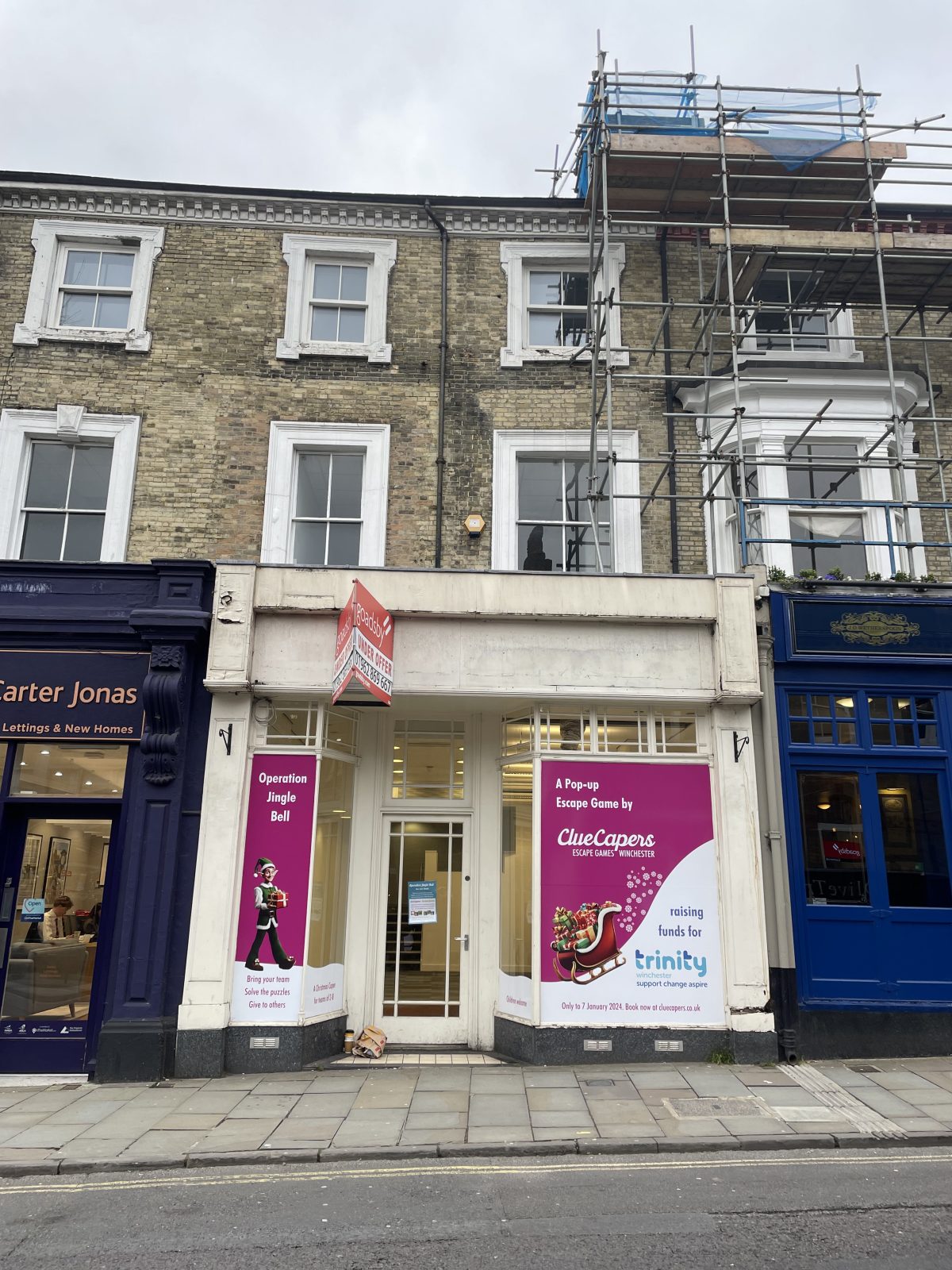
Any commercial tenant taking a new FRI lease in Winchester should treat a Schedule of Condition as essential, and in this city of older and listed buildings that advice carries extra weight. Landlords gain an agreed, defensible record of how premises were handed over, and contractors working adjacent to historic neighbouring property protect themselves against claims of damage. We also prepare schedules in support of Party Wall awards, which are common given the density and age of Winchester’s building stock. Whether you are taking a period office near the Cathedral or a unit on the Winnall estate, sound condition evidence is your protection.
What affects the cost of a Schedule of Condition in Winchester?
Fees are tailored to the property rather than fixed, and depend mainly on the size of the premises, the complexity and age of the building, and its location. Winchester’s period and listed buildings typically take longer to record properly than modern units, because there is simply more to document — historic fabric, alterations, and the inevitable accumulation of minor defects. That thoroughness is exactly what protects you, and the fee remains modest against the dilapidations liability a good schedule can extinguish. For a figure tailored to your building, ask us for an estimated survey fee or call for an informal chat.
Combine your schedule with a commercial building survey
On Winchester’s older commercial stock, we very often recommend a commercial building survey alongside the Schedule of Condition. The survey tells you what you are taking on — the true condition and the likely repair and maintenance costs over your term — while the schedule fixes the agreed record for dilapidations. Period buildings reward this dual approach, because their condition can be far less predictable than a modern unit. Instructed together, the two attract a reduced overall fee and give you a complete picture before you sign.
How quickly can you turn a schedule around in Winchester?
Because we are based right here at Hursley, on the edge of Winchester, we can often respond especially quickly within the city. For most commercial premises we can carry out the inspection within two to five working days of instruction and deliver the completed schedule within five working days thereafter. If your solicitor needs the document before exchange or completion, let us know the deadline.
I’ve already signed my Winchester lease. Is it too late?
A Schedule of Condition carries the most contractual weight when prepared before the lease is signed and annexed to it. However, a contemporaneous record made shortly after occupation still provides useful evidence of condition, and a mid-term survey approaching renewal establishes a baseline before dilapidations exposure crystallises. The worst time to think about condition evidence is once a claim has already been served — though even then our dilapidations consultancy team can still help.