It’s good to talk.

Protecting your commercial interest

Don’t let someone else’s problem become your liability.

Signing a commercial lease without a Schedule of Condition is one of the most common — and most costly — mistakes a commercial tenant can make.

Under a Full Repairing and Insuring (FRI) lease, you are responsible for returning the property to the landlord in good repair at the end of your tenancy. Without a contemporaneous record of the condition at the start, you could be held liable for dilapidations — the cost of repairs and reinstatement — that have nothing to do with your occupation. Pre-existing cracks, worn roofing, dated services, faded decorations — all of these become your problem if there’s no evidence they were there before you moved in.

A Schedule of Condition is your evidence. It’s your protection. And it needs to be prepared properly, by an experienced chartered building surveyor, before you sign.

Specialisms

  • Schedule of Condition services for new Tenancies

    Providing formal schedules of condition for inclusion in lease documents. These detailed schedules can prove invaluable at the end of the lease when it comes to defending a dilapidations claim and also to limit your maintenance and repairing liability throughout the lease term.

    Our reports are professionally produced by chartered building surveyors and are industry accepted documents which can be passed straight to your solicitor or legal advisors for inclusion in the lease documents.

  • Pre-commencement schedules

    Are you are builder or contractor and have an upcoming project. Professional schedules of condition are excellent documents and accurately recording the condition of elements which maybe affected by the work you are doing. By getting a detailed record of the condition of these elements you protect yourself against potential claims of damage to these elements.

  • Schedules of Condition for Party Wall Awards

    Providing formal schedules of condition to supplement Party Wall awards.

  • General Advice

    Not sure what you require. Get in touch with us for an informative chat.

Cost of Services

What to expect

Understanding more about schedules of condition and the way support you.

What does a Schedule of Condition record?

Our schedules are comprehensive, photographic records of the property’s condition at a given point in time. Every element of the premises is documented in a clear, methodical way — structured to stand up to scrutiny in any subsequent dilapidations dispute. This includes:

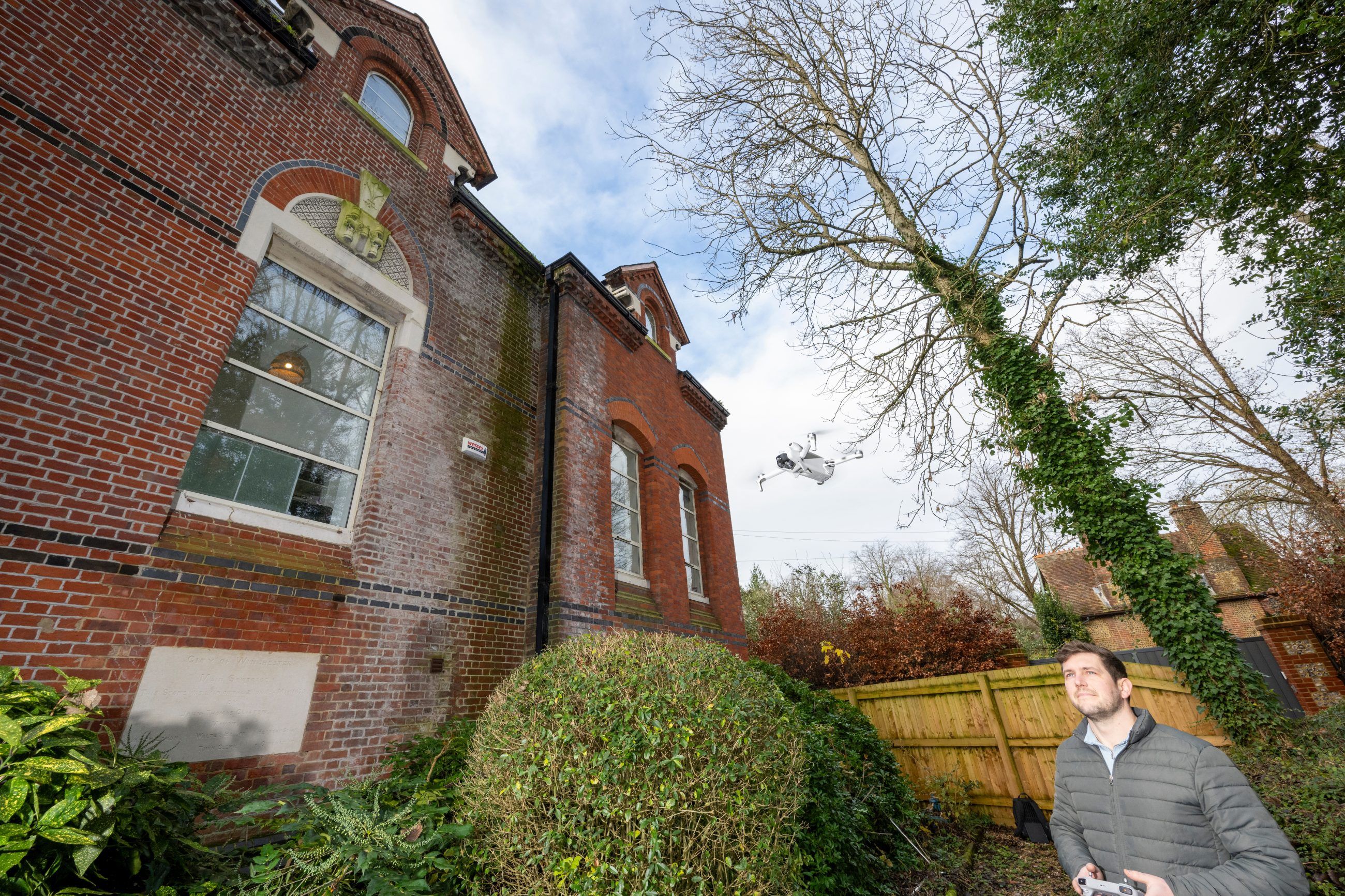
  • Roof coverings and structure — inspected using drone technology as standard
  • External elevations, walls, windows, rainwater goods and boundaries
  • Internal fabric — floors, walls, ceilings, partitions, doors and finishes
  • Mechanical and electrical services — heating, ventilation, lighting and drainage
  • External areas — car parks, hardstandings, landscaping and fencing
  • Any existing alterations, fit-out items or bespoke features

Each element is described in plain, objective language and supported by high-quality photographs. Where there is ambiguity — a crack, a stain, a surface imperfection — we record it. Nothing is left open to interpretation.

The finished document is prepared to a standard suitable for annexation to your lease and can be agreed with the landlord’s surveyor where required.

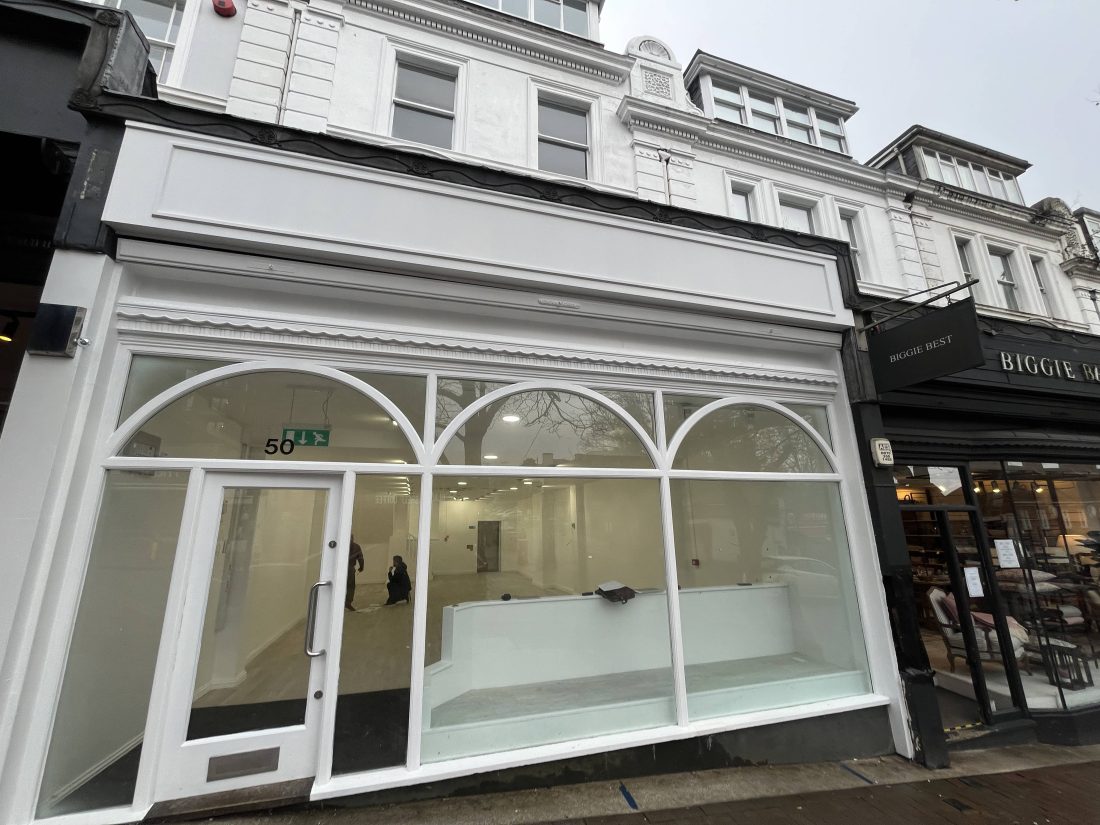
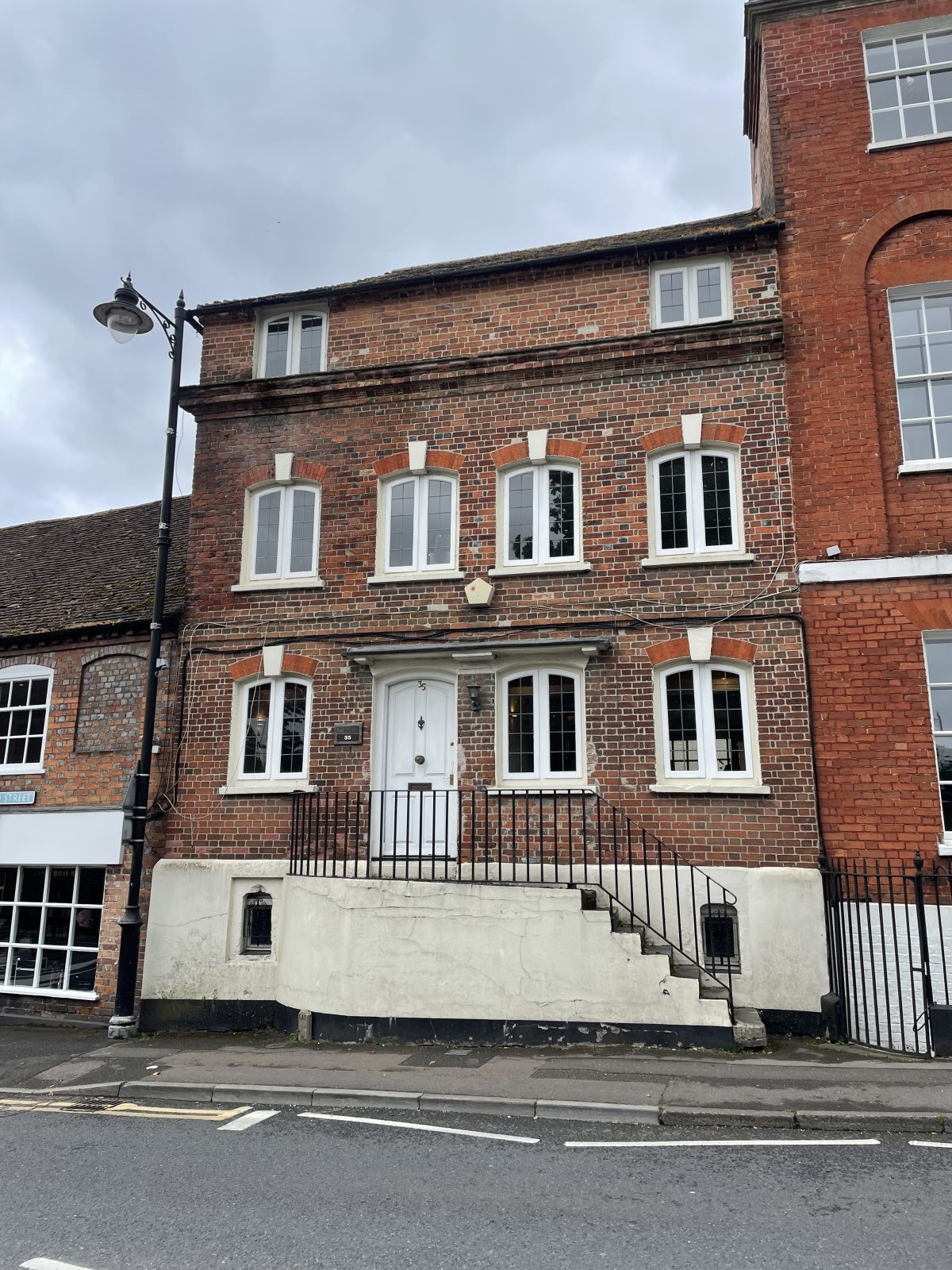
loake store tunbridge wells

I’ve already signed my lease. Is it too late?

Ideally, a Schedule of Condition should be prepared before the lease is signed. This is when it has maximum contractual weight — it can be formally annexed to the lease and referenced in the repairing covenants.

That said, if you’ve recently entered into a lease and haven’t yet commissioned a schedule, it’s still worth doing. A contemporaneous record prepared shortly after occupation — even if not annexed to the lease — can still provide useful evidence of condition at the time. And if you’re years into a lease and approaching renewal, a mid-term condition survey can establish a baseline before any dilapidations exposure crystallises.

The worst time to think about condition evidence is when a dilapidations claim has already landed. At that point, we move into negotiation territory — and while we can still help significantly, the leverage available to a tenant with a proper Schedule of Condition from the outset is always greater.

Two chartered building surveys discussing a survey.

How a Schedule of Condition limits your dilapidations liability

The connection between a Schedule of Condition at lease start and your dilapidations position at lease end is direct — and significant.

Where a Schedule of Condition is properly recorded and annexed to the lease, your repairing obligations are typically qualified so that you need only return the property to the condition evidenced at the start of the term — no better. Without one, the starting point for any dilapidations claim is the full repairing standard implied by the lease.

In practical terms, the difference can amount to tens of thousands of pounds — or more on larger premises. We have helped tenants save over £1 million in dilapidations claims, and in many of those cases the strength of the tenant’s position came down to the quality of the evidence recorded at the outset.

We always recommend commissioning a Schedule of Condition alongside, or immediately after, a commercial building survey before entering into a new lease. If you’re taking a new lease, talk to us about combining both instructions at a reduced overall fee.

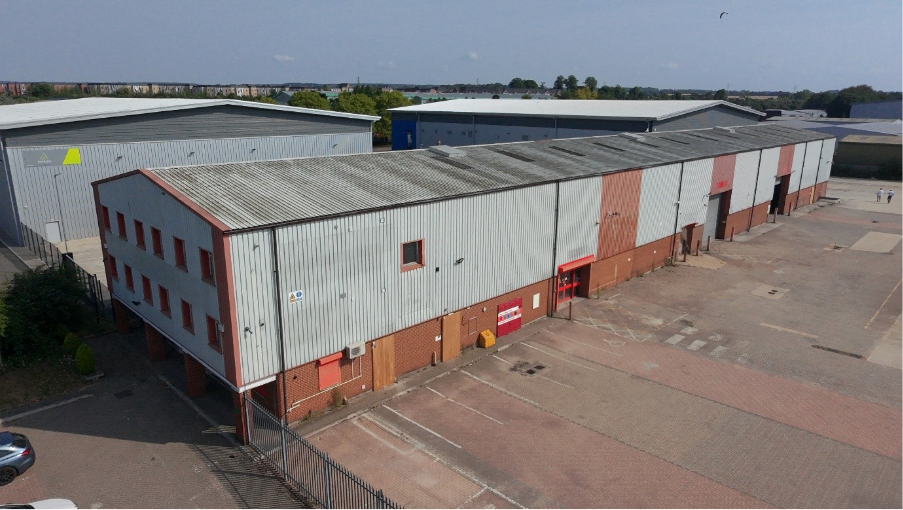
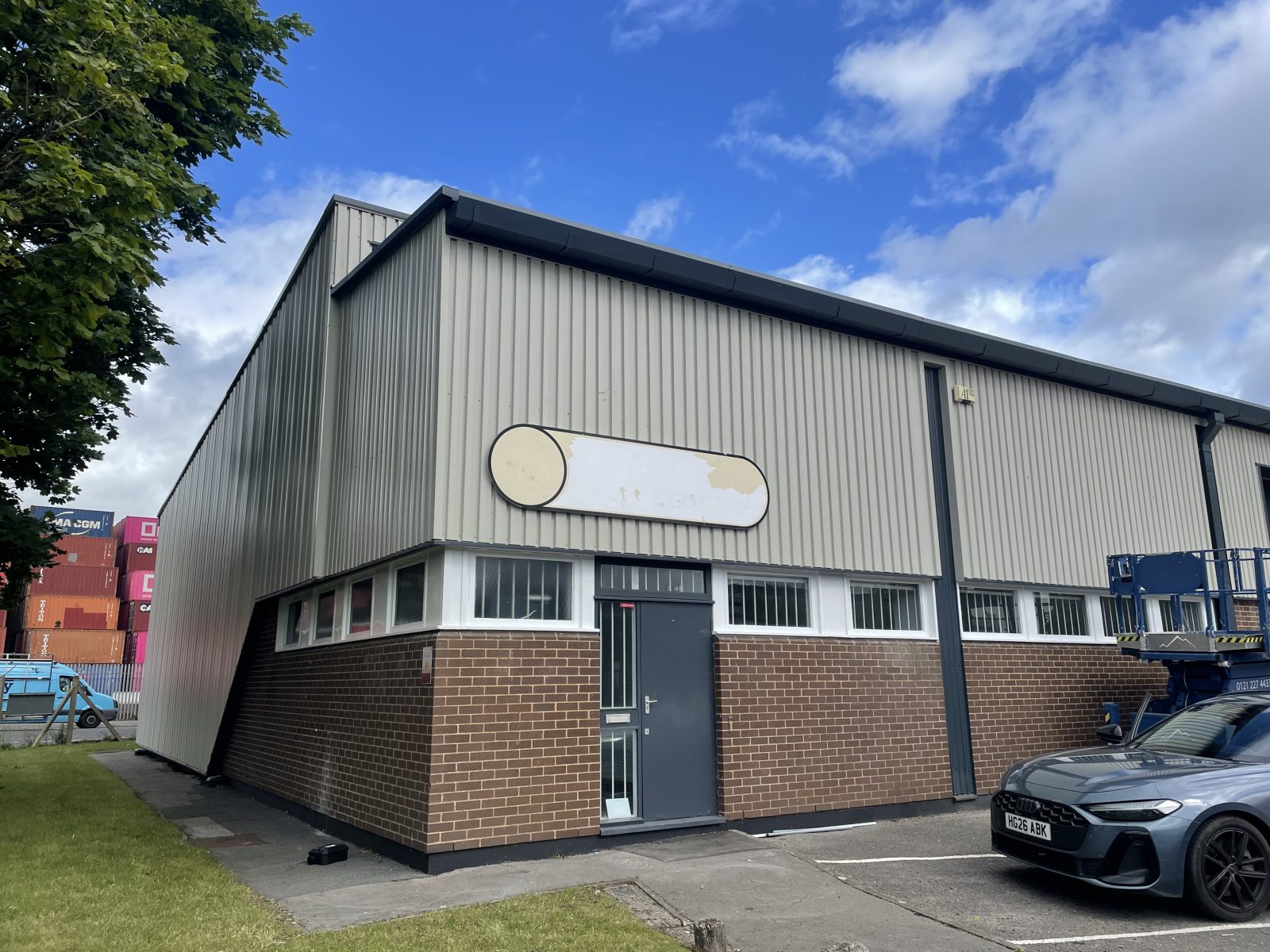
Industrial unit in Basingstoke which was subject to a dilapidations claim.

How quickly can you turn a schedule around?

We understand that lease transactions often move quickly and solicitors frequently need the schedule before exchange or completion. For most commercial premises, we can carry out the inspection within 2–5 working days of instruction and deliver the completed schedule within 5 working days thereafter.

It’s good to talk.

As a tenant entering into a new lease we would always recommend procuring a schedule of condition survey to record the condition and arrangement of the premises. This will provide clarity and protect your interests farther down the line, at lease end.

Not only should a schedule of condition record the condition of the property it can also offer clarity around the existing arrangement and layout of the property which can prove invaluable at lease end if alterations have been made or are alleged to have been made.

The benefit of our schedules is they provide both descriptive text and photographic evidence recording all elements of the premises in a clear and logical manner so nothing is left open to interpretation. All our surveyors are trained and experienced in using drones to capture the high level elements of a property and we use these drones in our surveys at no additional cost to our clients.

If you want to learn more about the importance of schedules of condition and how they can help you when entering into a new lease term then read some of our blogs around the subject.

Already concerned about what your lease obliges you to do?

If you’re uncertain about your repairing obligations — whether at lease start, mid-term or approaching lease end — our dilapidations consultancy team can provide an early assessment of your likely exposure. Understanding your position early gives you the time to plan, manage the property well, and negotiate from a position of strength when it matters most.


It’s good to talk.

Featured FAQs

  • What is an FRI lease?

    The term ‘FRI’ when referring to commercial leases stands for Full Repairing and Insuring (FRI). This means that the tenant will hold full responsibility for the whole of the property and not just part of it in terms of maintaining and insuring. This will extend to the structure, external and internal building fabric and finishes along with mechanical and electrical services, external areas, boundaries and even underground drainage runs that serve the property.

    When entering into a commercial lease as a tenant it is extremely important you understand the nature of the lease and your responsibilities under it and do your due diligence before committing. This is where a commercial building surveyor can help by carrying out a building survey or schedule of condition and even review certain lease covenants to ensure your commercial position is protected as much as possible.

  • If I appoint you will I get a chartered surveyor?

    In short yes. All our surveyors are chartered building surveyors and members of the Royal Institution of Chartered Surveyors (RICS) our company is also regulated by the RICS. So you will always have a chartered surveyor acting for you.

  • How much do your services cost?

    Good question, and important! Its a common one and the answer is, it depends on three main variables. The size of the property, the type of survey and the location of the property. You can get a guide on our fees for different services by seeing our cost of services page by clicking here – Cost of Services

  • Can I speak to a surveyor before I commit to appointing?

    Yes certainly, our company is made up of Chartered Building Surveyors, all directly employed by the company, so if you contact the company one of us would be happy to have a free chat to see how we can help.

  • I’m looking for someone who provides schedule of condition services in Hampshire and London. Where are you based?

    Bressummer A.R.K. are a qualified and approachable building consultancy in Hampshire. We do however serve clients in London and throughout the UK, so if you need help with a schedule of condition survey do give us a shout and see how we can help.

  • Is a Schedule of Condition necessary for short-term leases?

    Yes, it’s beneficial for all lease durations to document the property’s condition and minimise future disagreements.

  • How can a Schedule of Condition prevent landlord-tenant disputes?

    It provides clear evidence of pre-existing issues, protecting tenants from liability and ensuring landlords have accurate records.

  • What is a Schedule of Condition, and when should I commission one?

    It documents a property’s state with photos and descriptions, ideally done before signing a lease or starting construction, to avoid disputes.

We spoke with Jonathan to arrange a Schedule of Condition on short notice, and he was able to get a surveyor out within just two business days after our initial call. Harjit was who came to carry out the Schedule of Condition, and he was wonderful - thorough, efficient, and very professional. No one at any point was condescending, and everyone was very clear in their explanations. Our report was delivered far faster than we expected.
Cannot rate them highly enough!

Vic R.

Why us?

Experience

Our surveyors have over 20 years combined experience in the commercial property sector.

Knowledge

We are experienced in providing schedules of condition services in Hampshire and London, and know how they should be laid out and included in the lease.

Authenticity

Our people are regular human beings and will talk through matters in a pragmatic and sensible way.

Reliability

We provide a truly reliable service, through listening to our customers and effective communication we ensure our services deliverables are met every step of the way.  

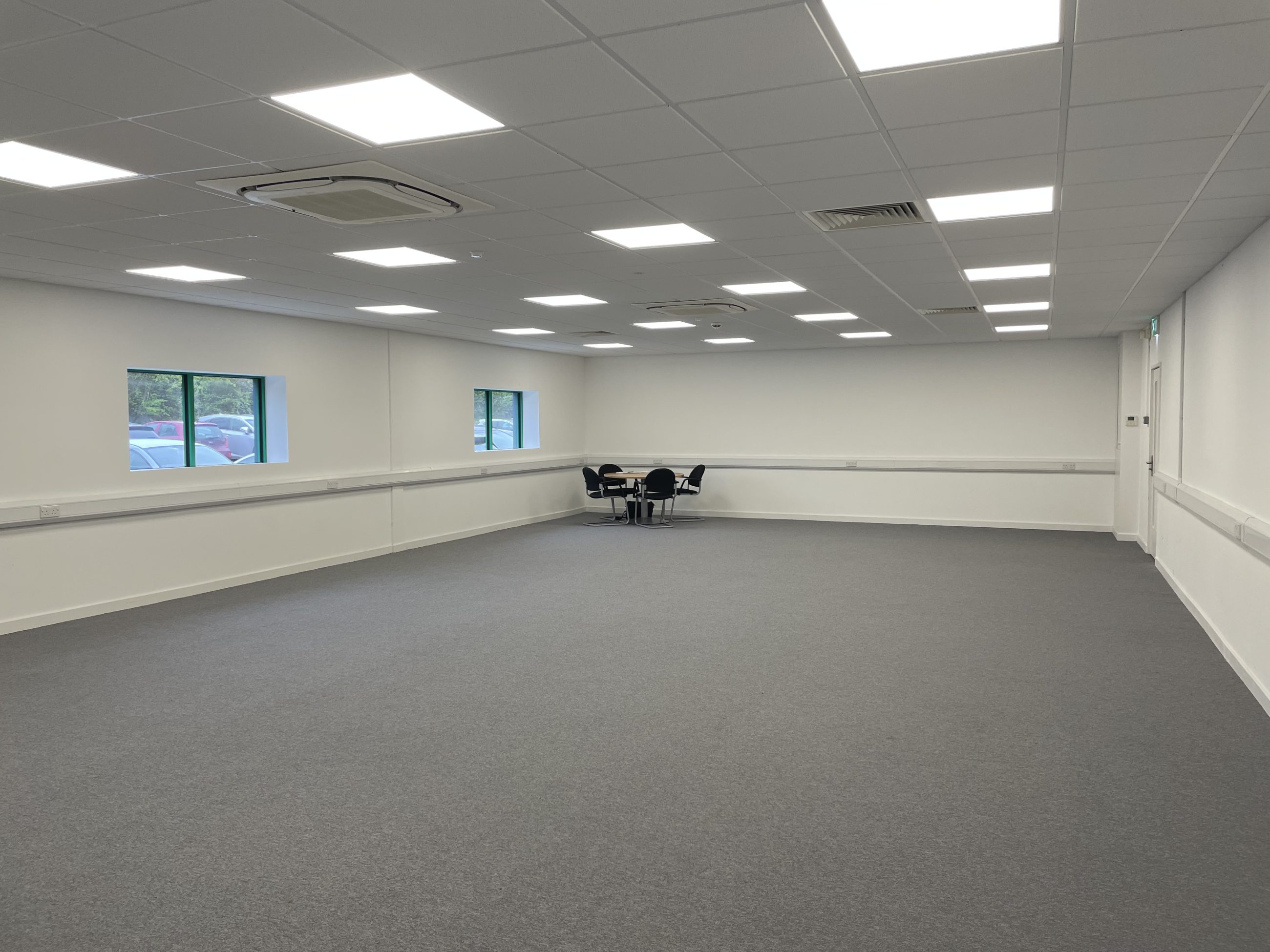
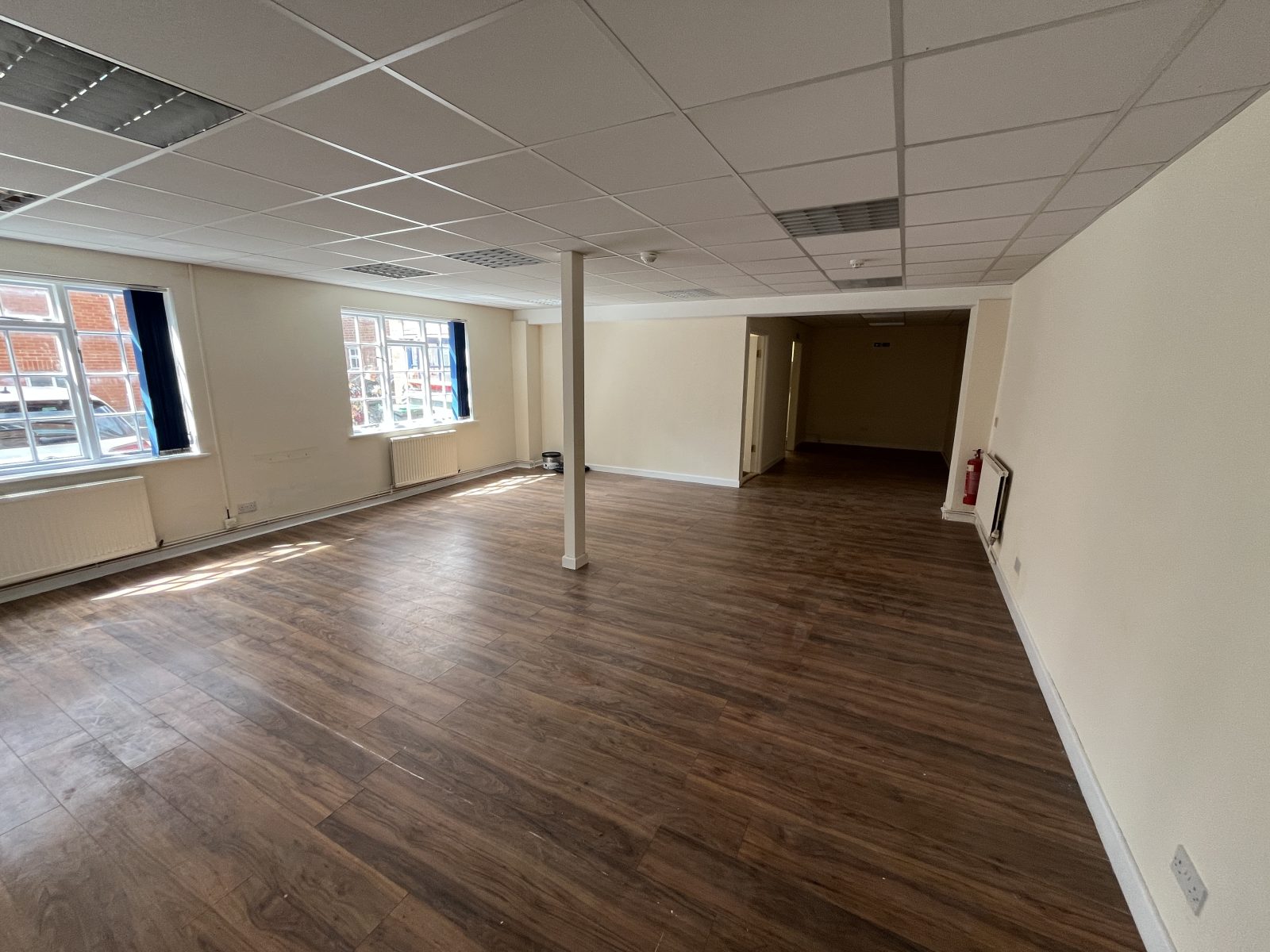
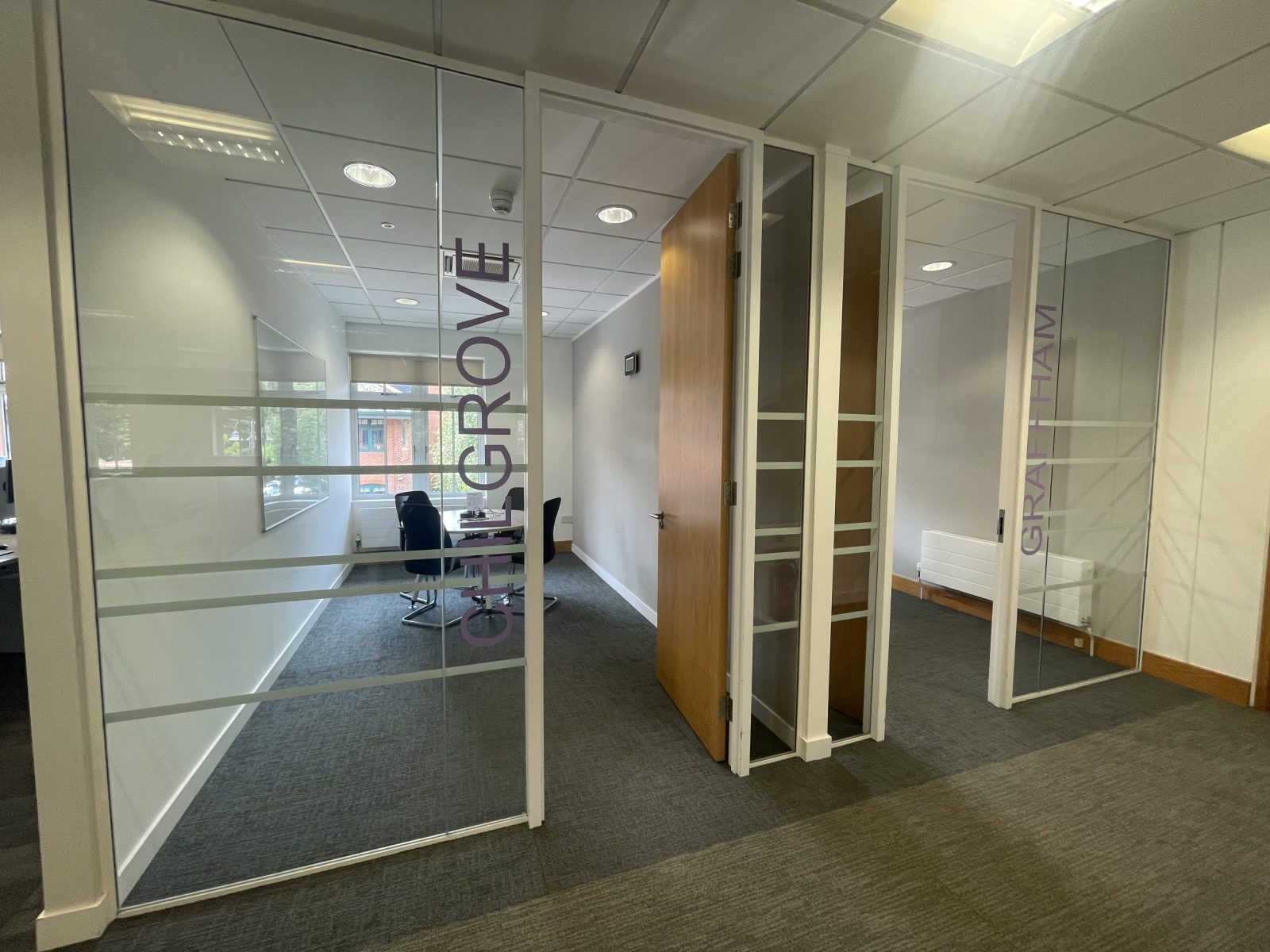
A large vacant office space, grey carpet, ceiling tiles and white walls

Our schedule of condition surveys portray an accurate and professional overview of the condition of your commercial property.

About us

Working with us

Get an understanding of how we work with you to achieve the results required.

Speak with us

Lets see if we can help support you with your requirements with a friendly and informative chat.

Our Proposal

Receive a formal fee proposal tailored to your requirements.

Delivery

Once instructed we carry out our desktop review, arrange access and carry out the physical inspection in order to produce our report.

Follow Up

Once our report is issued, we provide follow up consultation to discuss our findings and address any questions.

It’s good to talk.

It’s good to talk.

If you're looking for schedule of condition services in Hampshire and London it’s important for us to understand your requirements from the outset in order to give the best commercial building consultancy advice we can. Enquire