How we defend your dilapidations claim
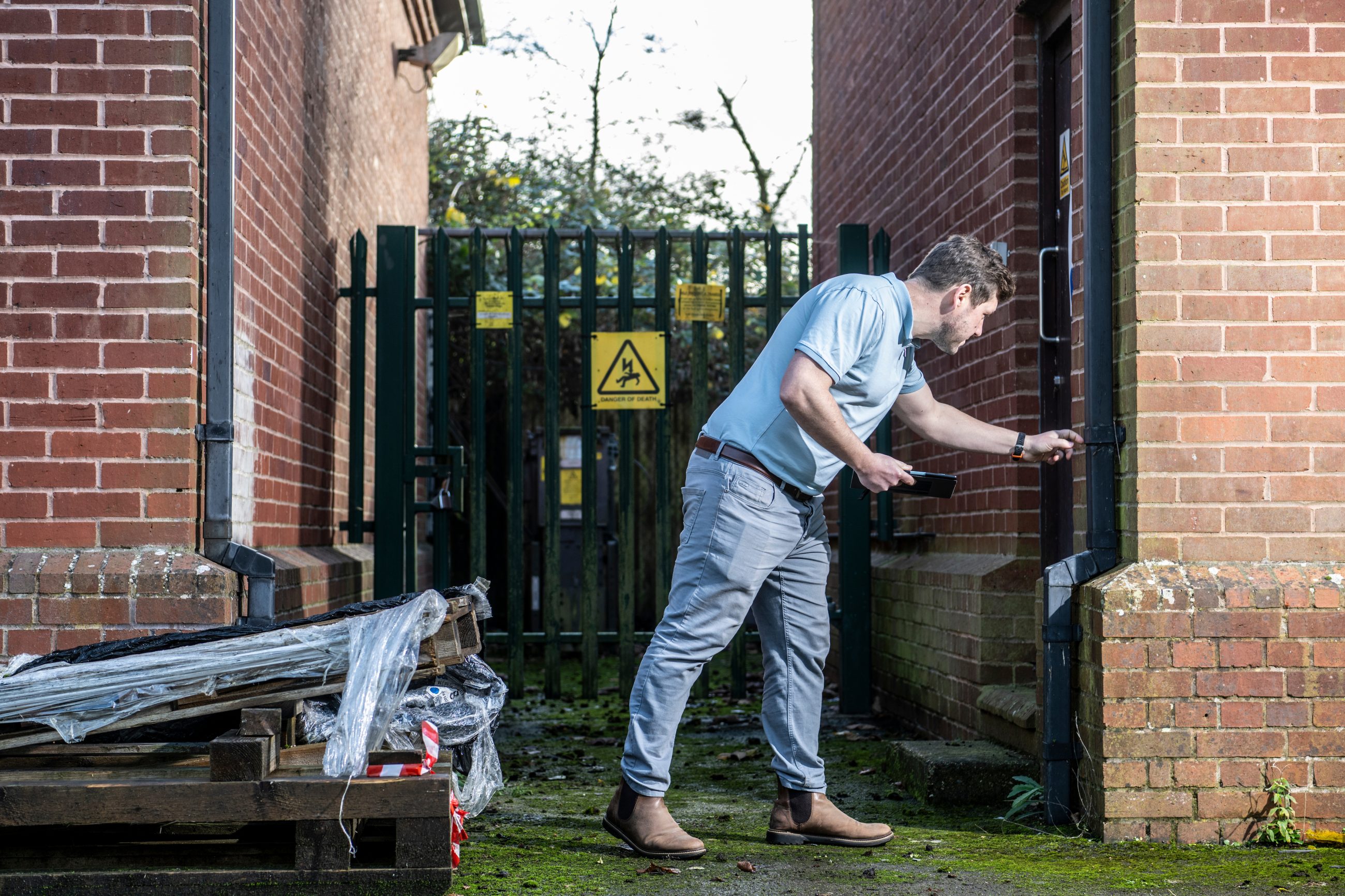
Our approach is methodical and entirely focused on reducing your liability to the minimum properly due. First, we review your lease, including the repairing, decorating, reinstatement and yielding-up covenants, any schedule of condition, and licences for alterations, to establish what you are genuinely liable for. Next, we inspect the property and assess the landlord’s claim item by item, identifying anything that is not your responsibility, that represents betterment, that is overstated, or that falls away because of the lease terms or a schedule of condition. We consider the diminution in value under Section 18 of the Landlord and Tenant Act 1927, which can cap your liability at the actual loss to the landlord’s interest, often far less than the cost of the works claimed. We then prepare your response and negotiate directly with the landlord’s surveyor, holding firm on the evidence and driving the figure down to a fair settlement. Throughout, our roof and high-level inspections use drone technology as standard and at no extra cost.
What kind of tenant we help in Southampton
We act for all kinds of commercial occupiers across Southampton, including office tenants in the city centre and Ocean Village, industrial and warehouse occupiers around the docks, Millbrook and Nursling, retail tenants across Shirley, Portswood and Bitterne, and businesses leaving premises along the M27 corridor. Whether you are a small independent business facing your first dilapidations claim or a national occupier exiting a large unit, we give you the same senior, determined representation. If you are not yet at lease end but can see it coming, the earlier you involve us the better, as we can help you plan, budget and even carry out works yourself to reduce the claim before it is made.
When to come to us
The best time to seek advice is as early as possible, ideally before your lease ends, or the moment a claim or a schedule of dilapidations arrives. Dilapidations claims often run to strict timetables under the Dilapidations Protocol, and early advice gives us the most room to protect you. But even if a claim has been sitting on your desk for a while, or negotiations have stalled, it is rarely too late for us to step in and improve your position. The one thing we would urge any Southampton tenant not to do is to simply pay an opening claim without having it checked, because that opening figure is so often negotiable.
Common items we challenge in Southampton dilapidations claims
Years of acting for tenants mean we know where landlords’ claims tend to overreach. We regularly challenge claims for full roof replacement where localised repair is all the lease requires; for redecoration throughout when the obligation is narrower; for the reinstatement of alterations that were actually approved under licence, or that the landlord would prefer to keep; for upgrading of services and finishes that amounts to betterment; and for professional fees and loss of rent that are not properly recoverable. On Southampton’s industrial and dockside units in particular, we scrutinise large claims for roofs, floors, cladding and yards, where the headline figures are often the most inflated. Each item we remove or reduce is money that stays in your pocket rather than the landlord’s.
Tenant-only, with no conflict of interest
One distinction matters when choosing who to defend your claim. We will not act for your landlord. Under RICS rules a firm cannot act for both parties to the same dilapidations claim, and when we act for a tenant we are wholly and only on your side. Some tenants worry that a surveyor who also takes landlord instructions elsewhere may pull their punches; on your claim, that is never a concern with us. Our entire focus is the minimum sum you are properly liable for, and the strongest evidence-based case for getting there. That single-minded alignment with your interests, combined with our willingness to take on the largest landlord-side firms, is what makes the difference to the final figure you pay.