Case study
It’s important, in order for us to understand your requirements from the outset in order to give the best commercial building consultancy advice we can.
Enquire
Bressummer Ark acted for a commercial landlord on two dilapidations instructions in Reading. While both properties were approaching lease expiry, each required a different approach to achieve the best outcome for the landlord.
Our client instructed Bressummer Ark to manage the dilapidations process for two commercial properties in Reading.
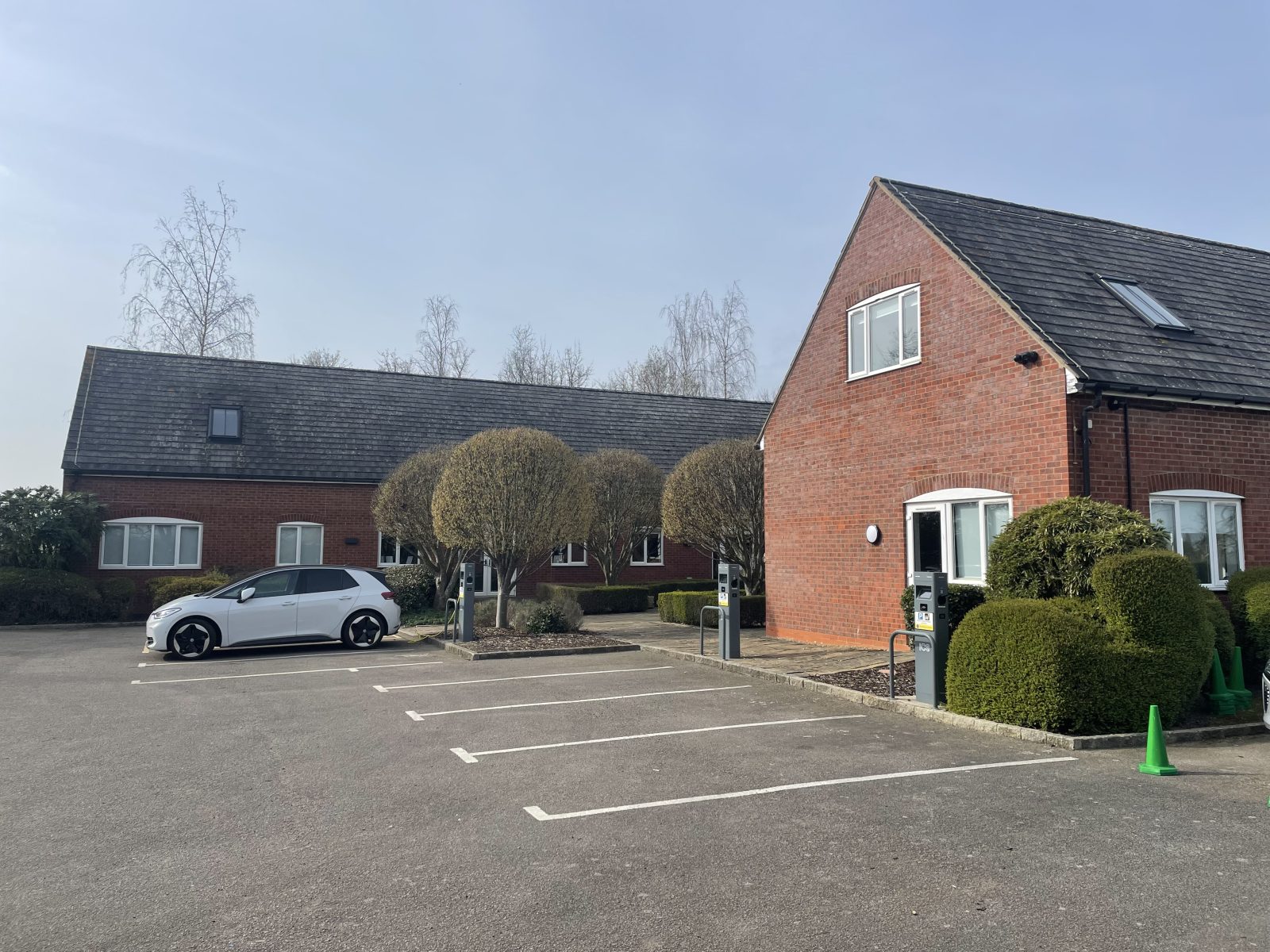
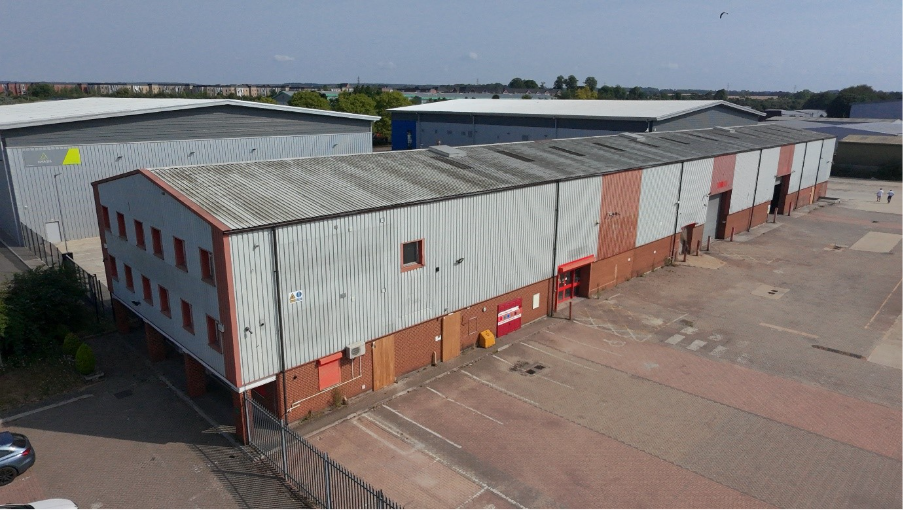
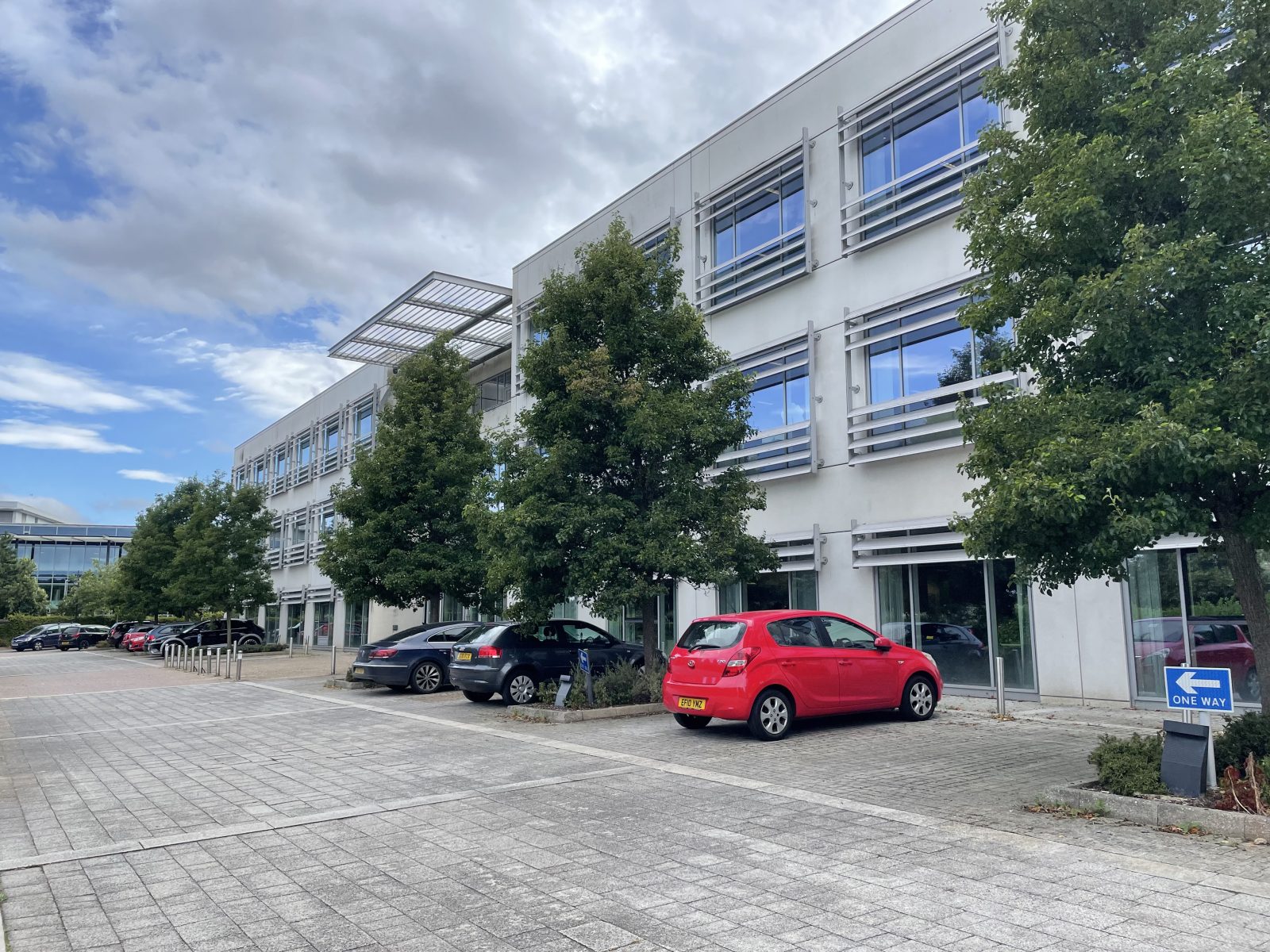
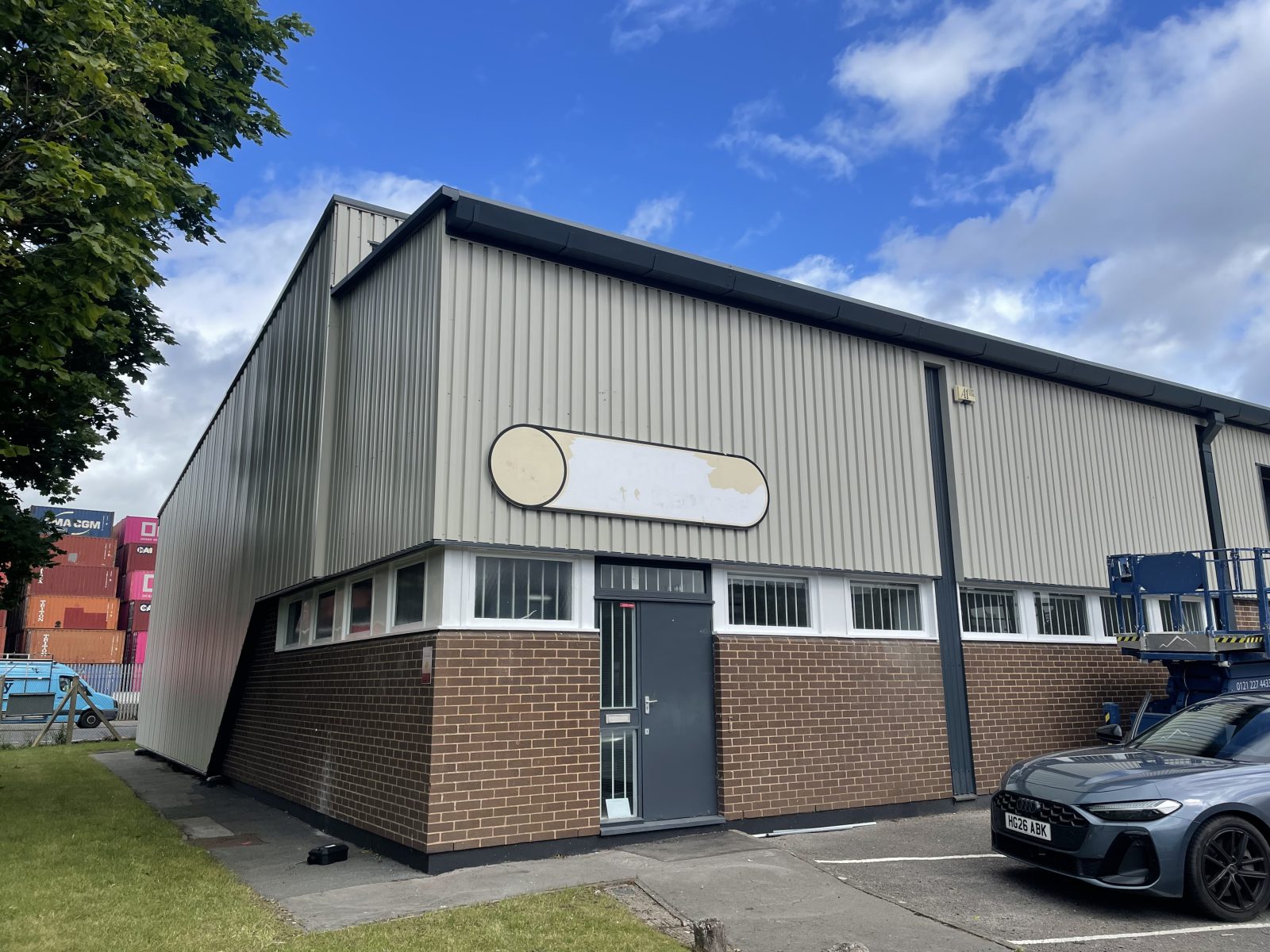
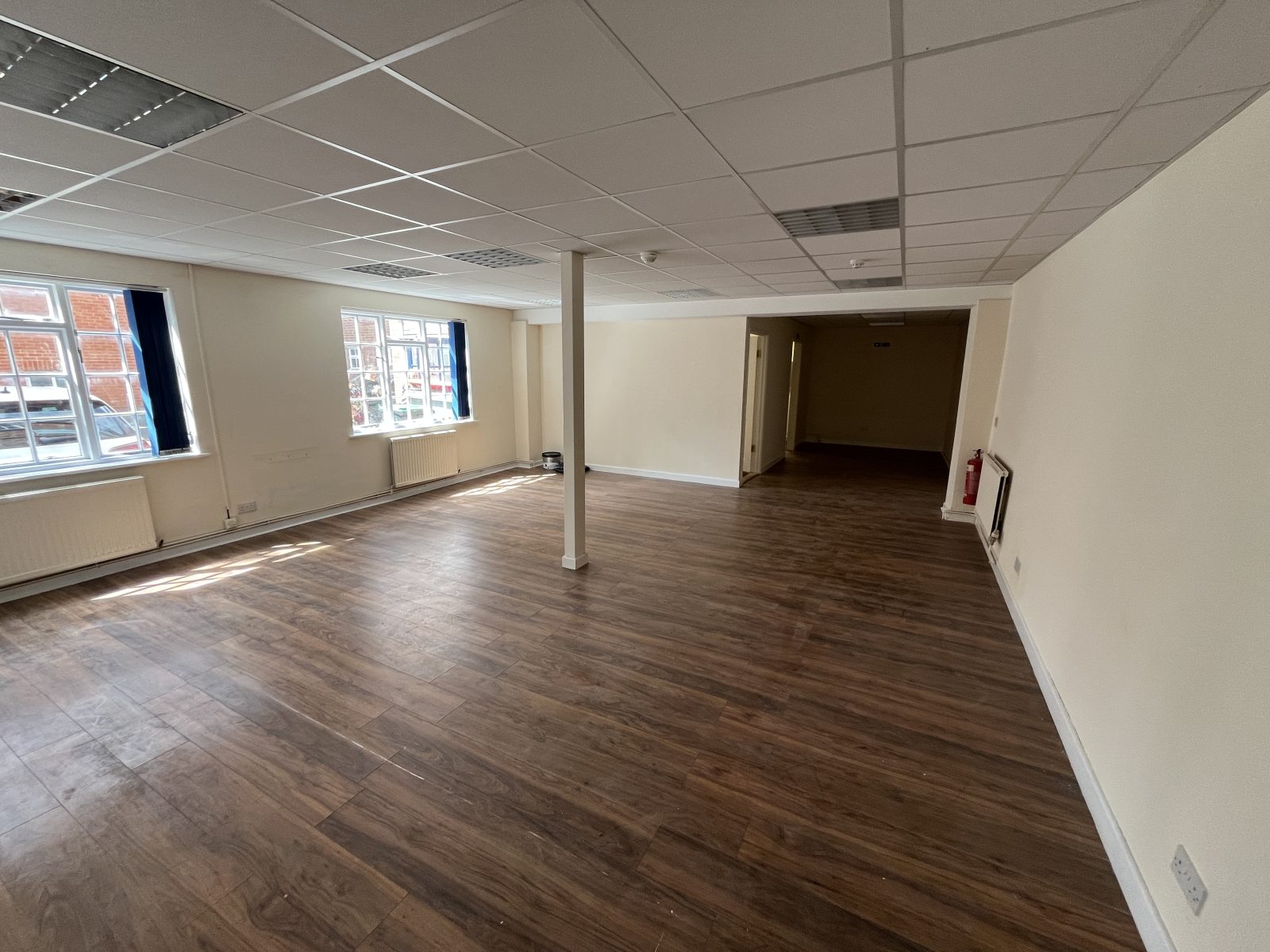
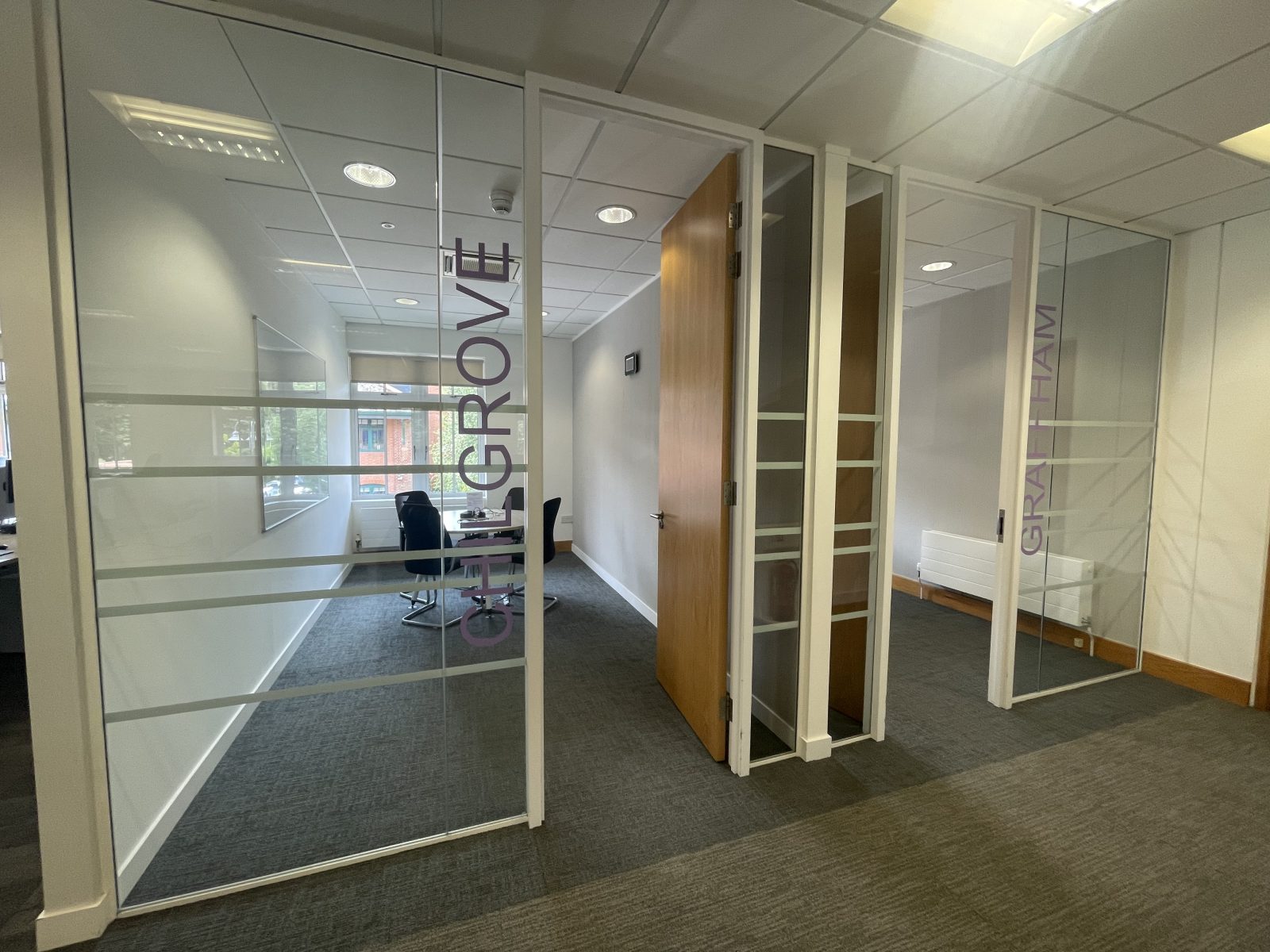
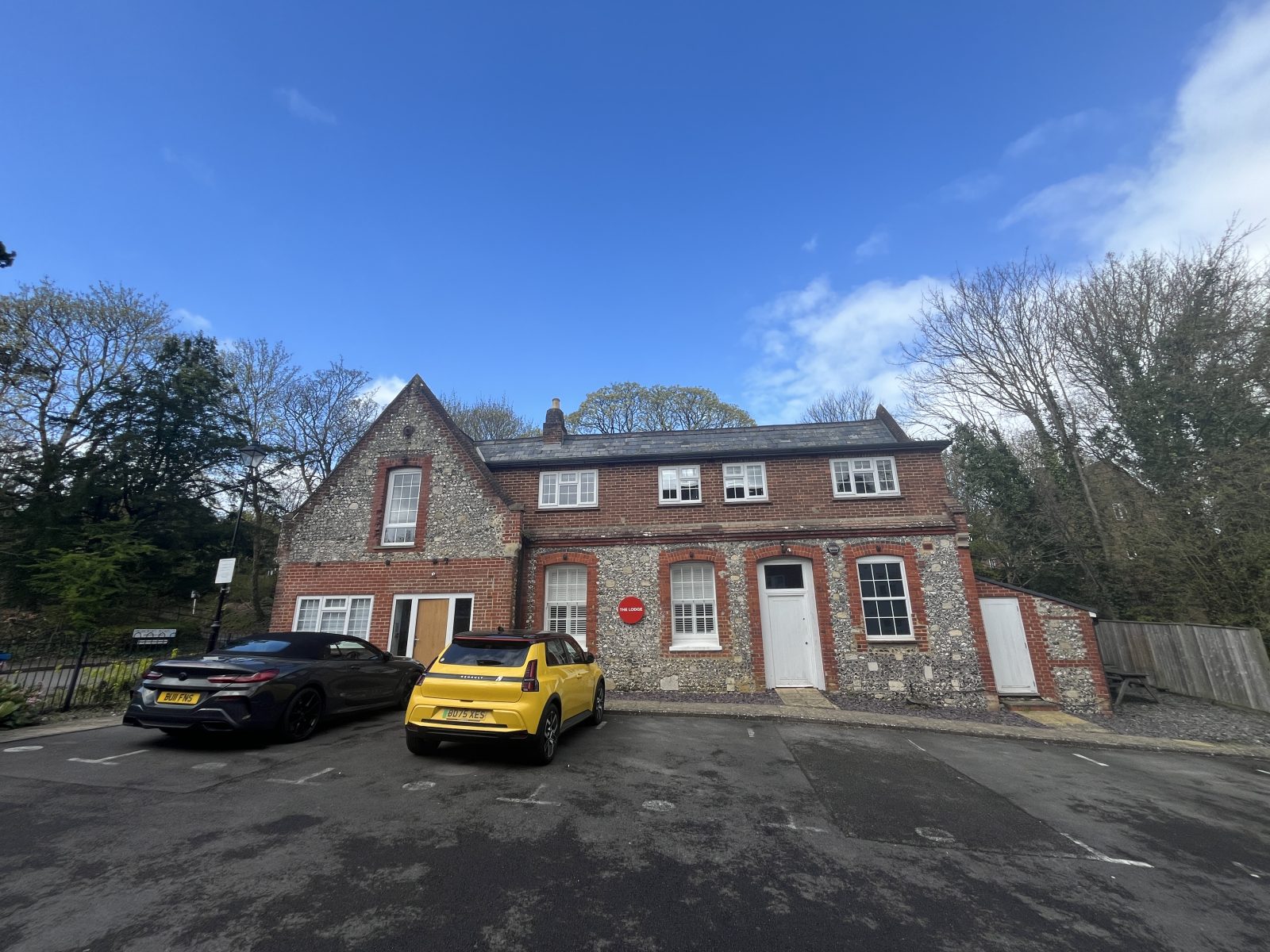
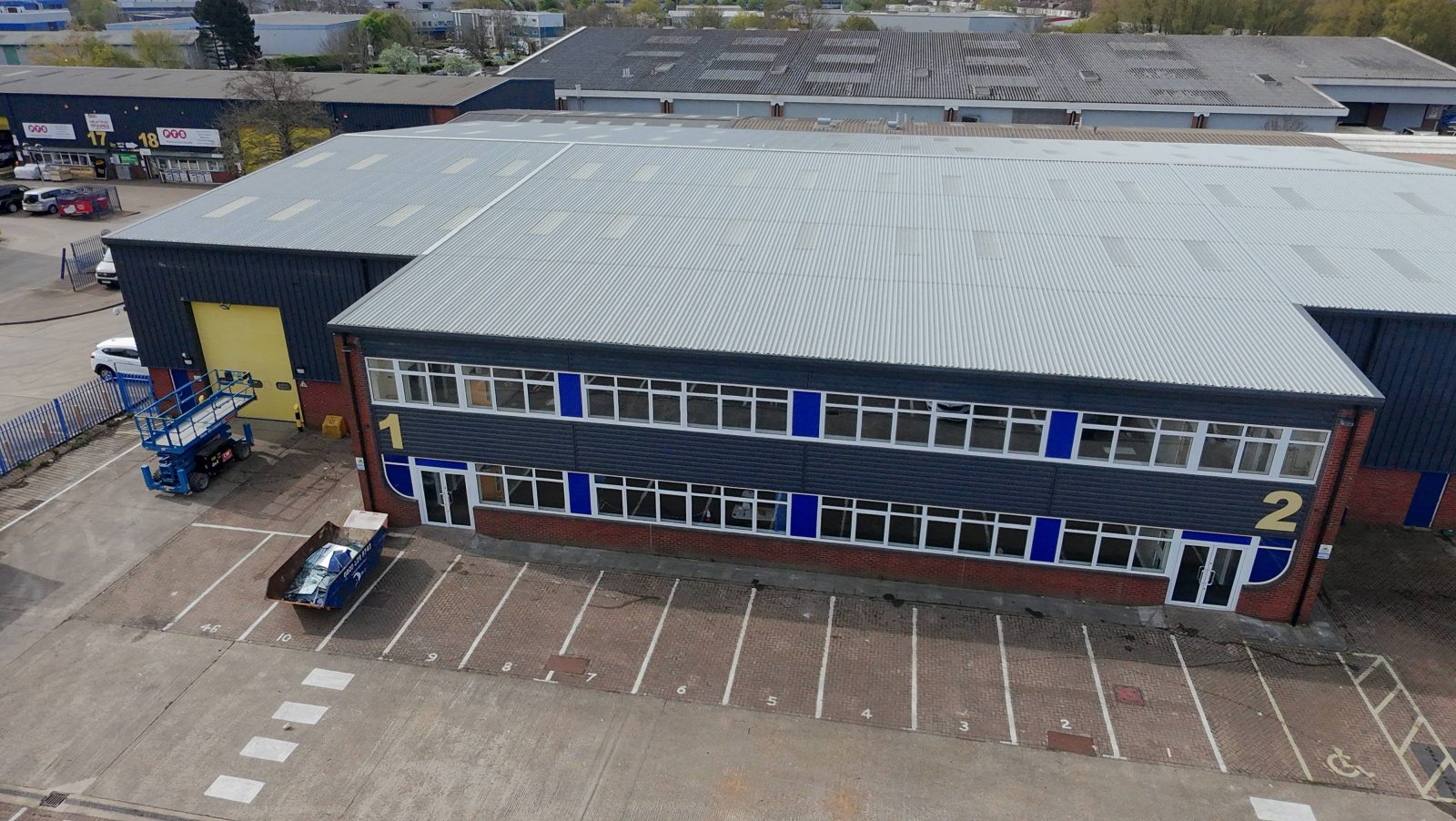
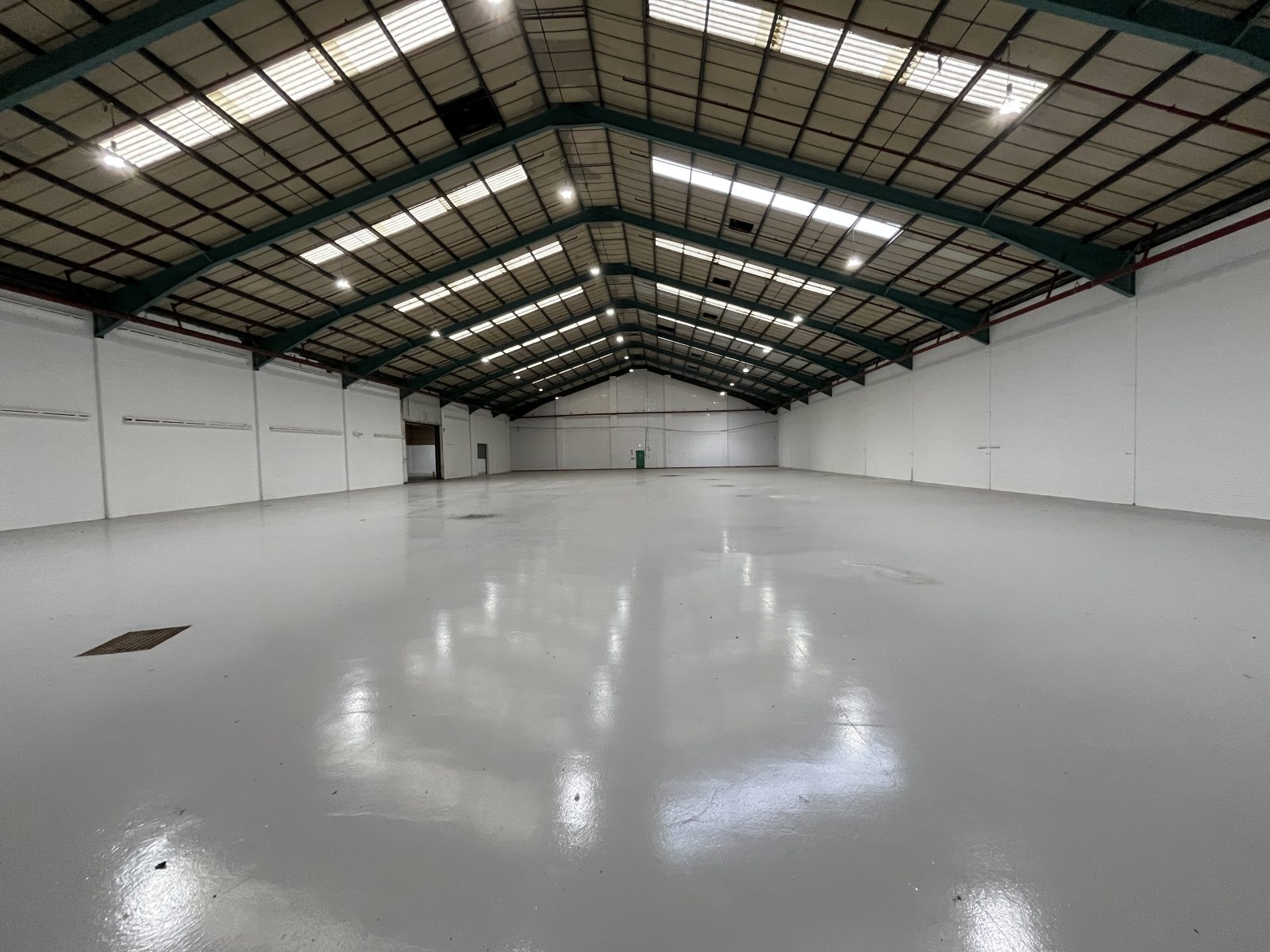
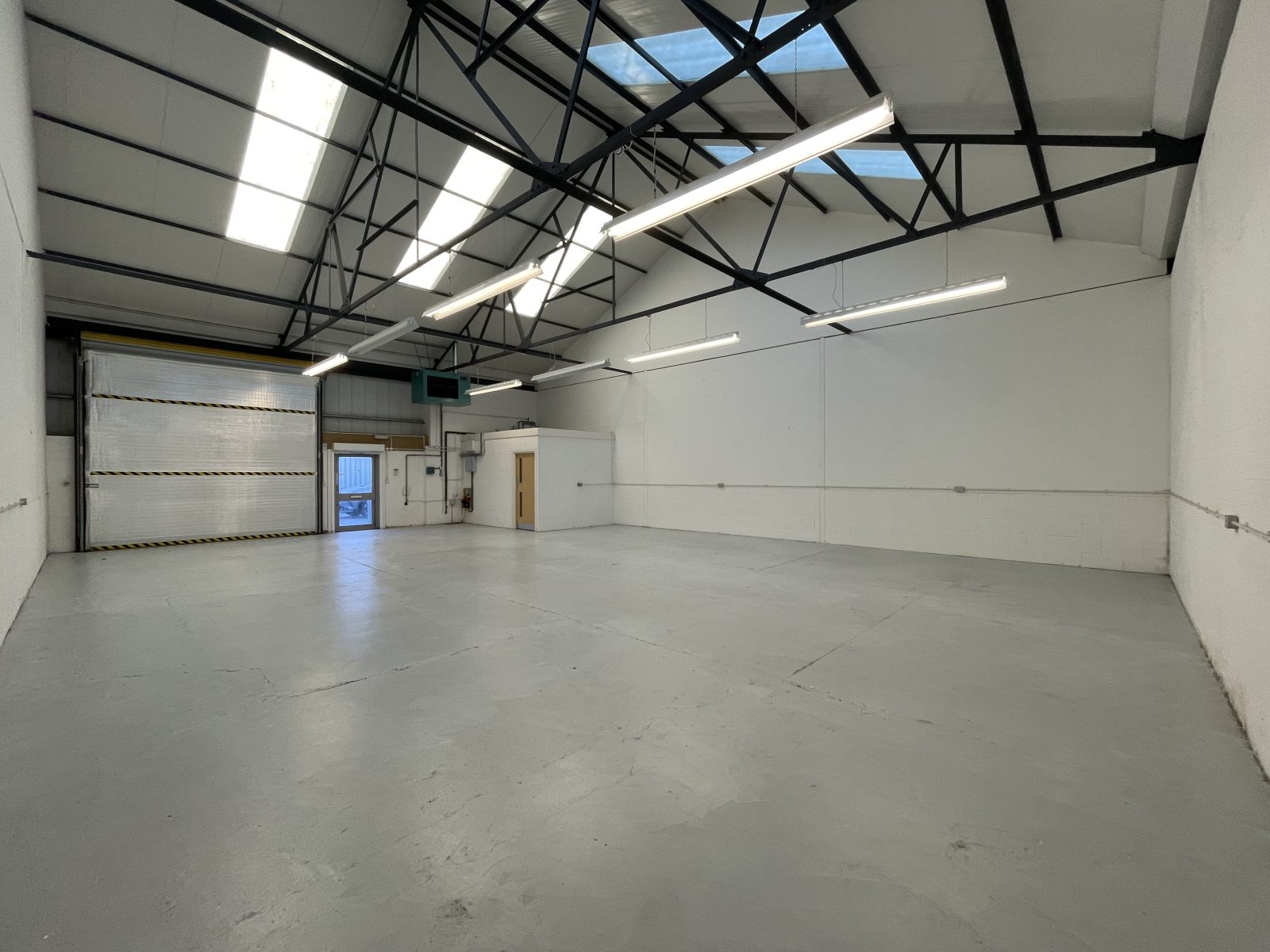
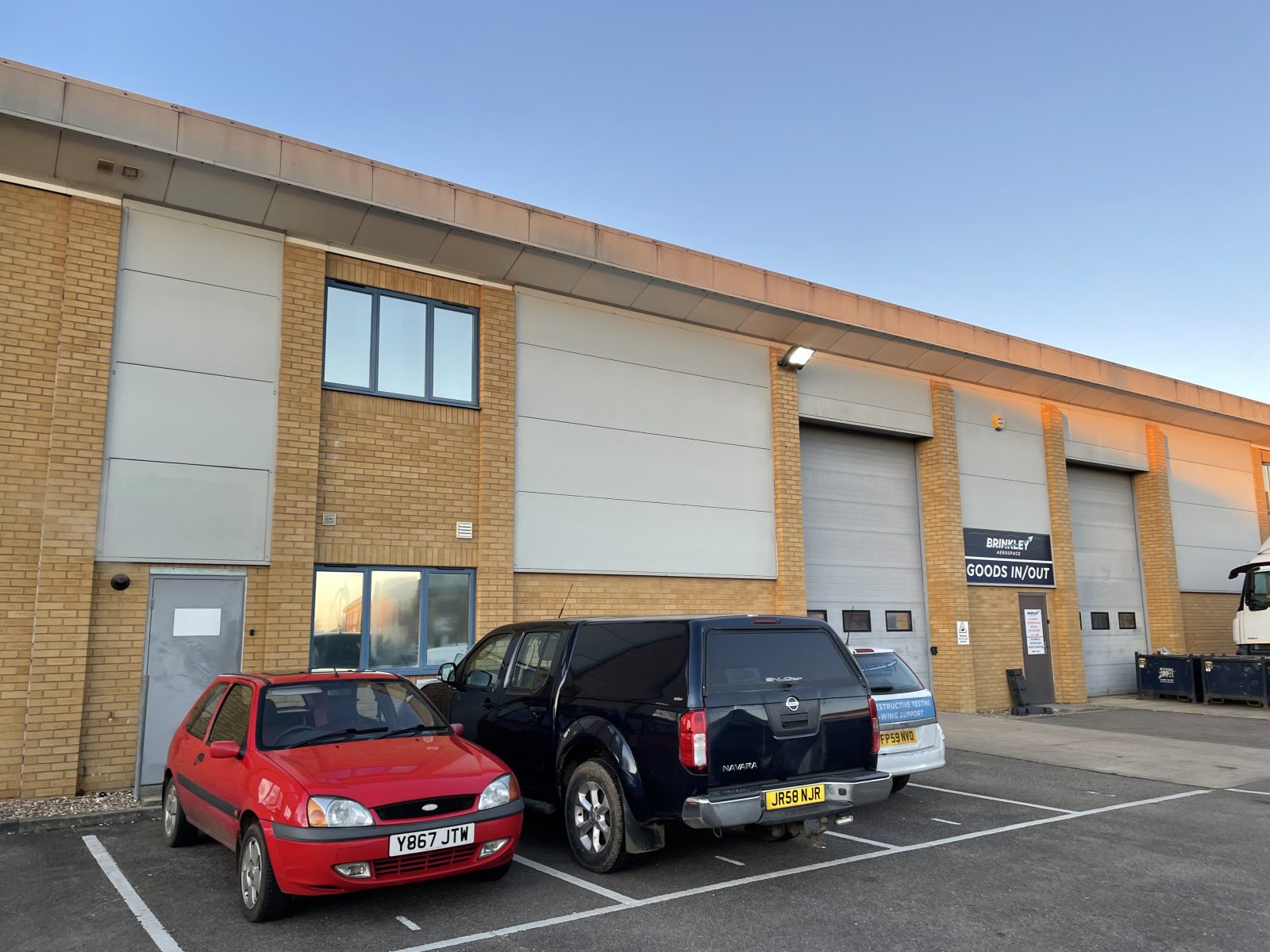
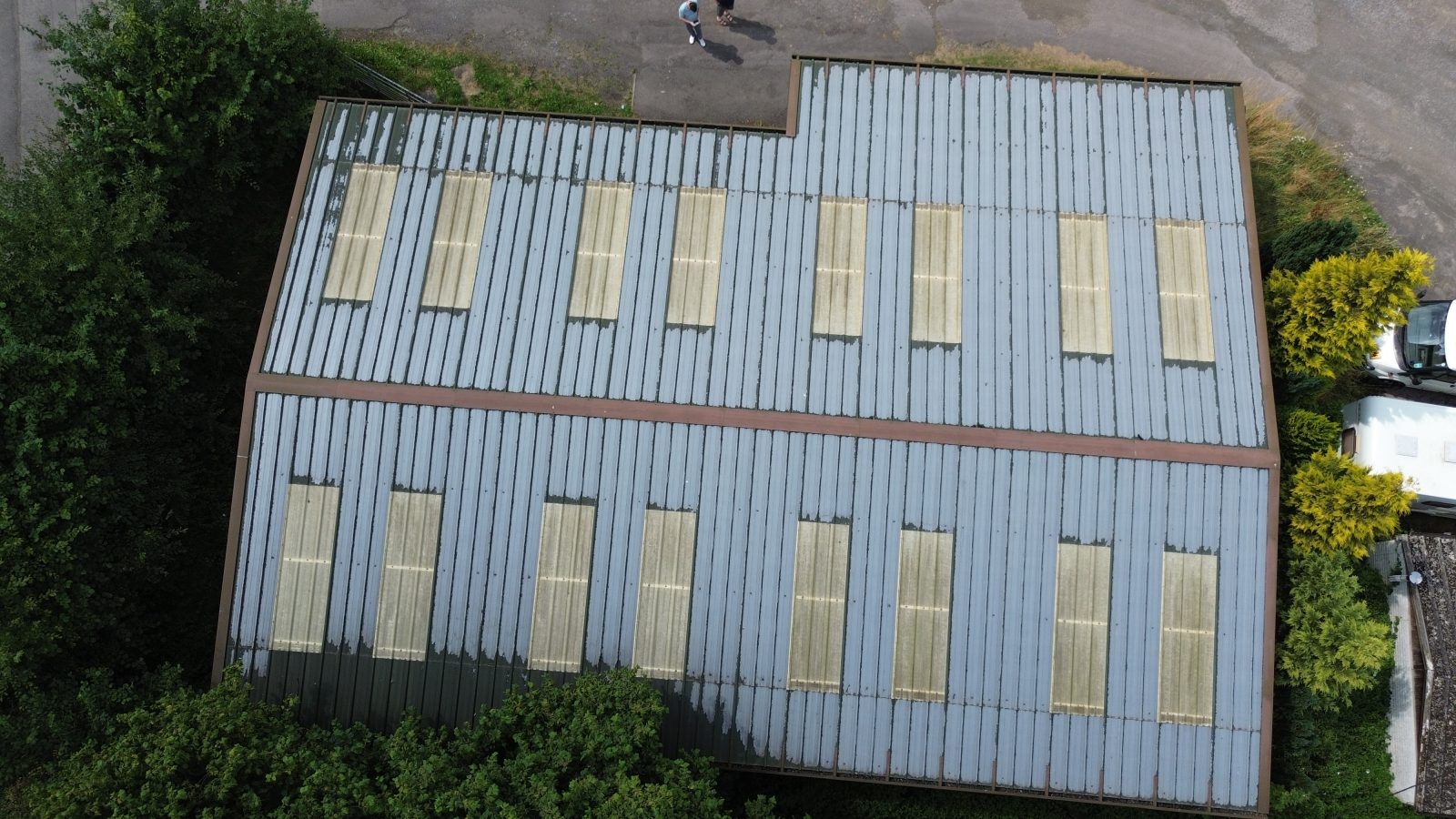
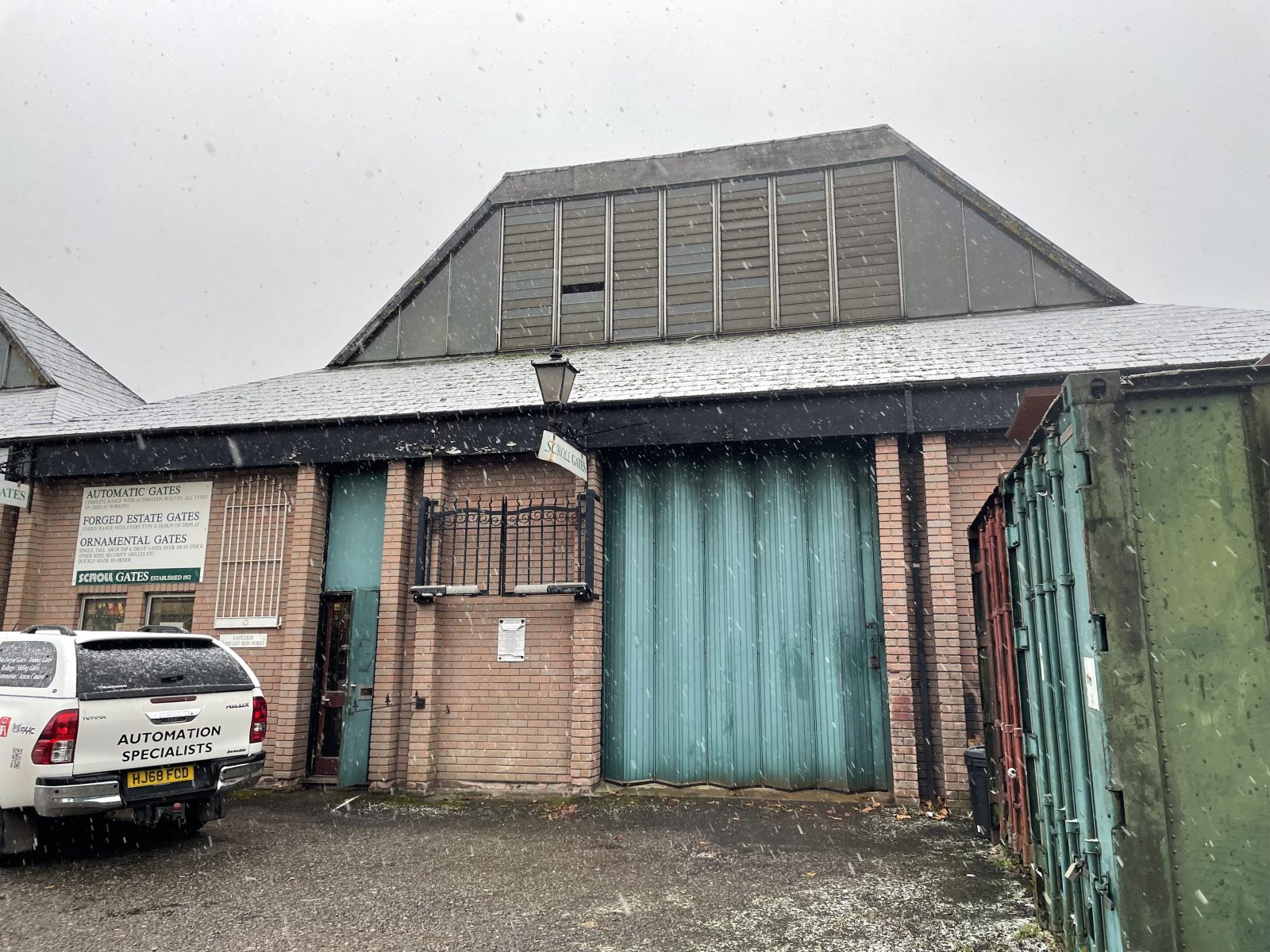
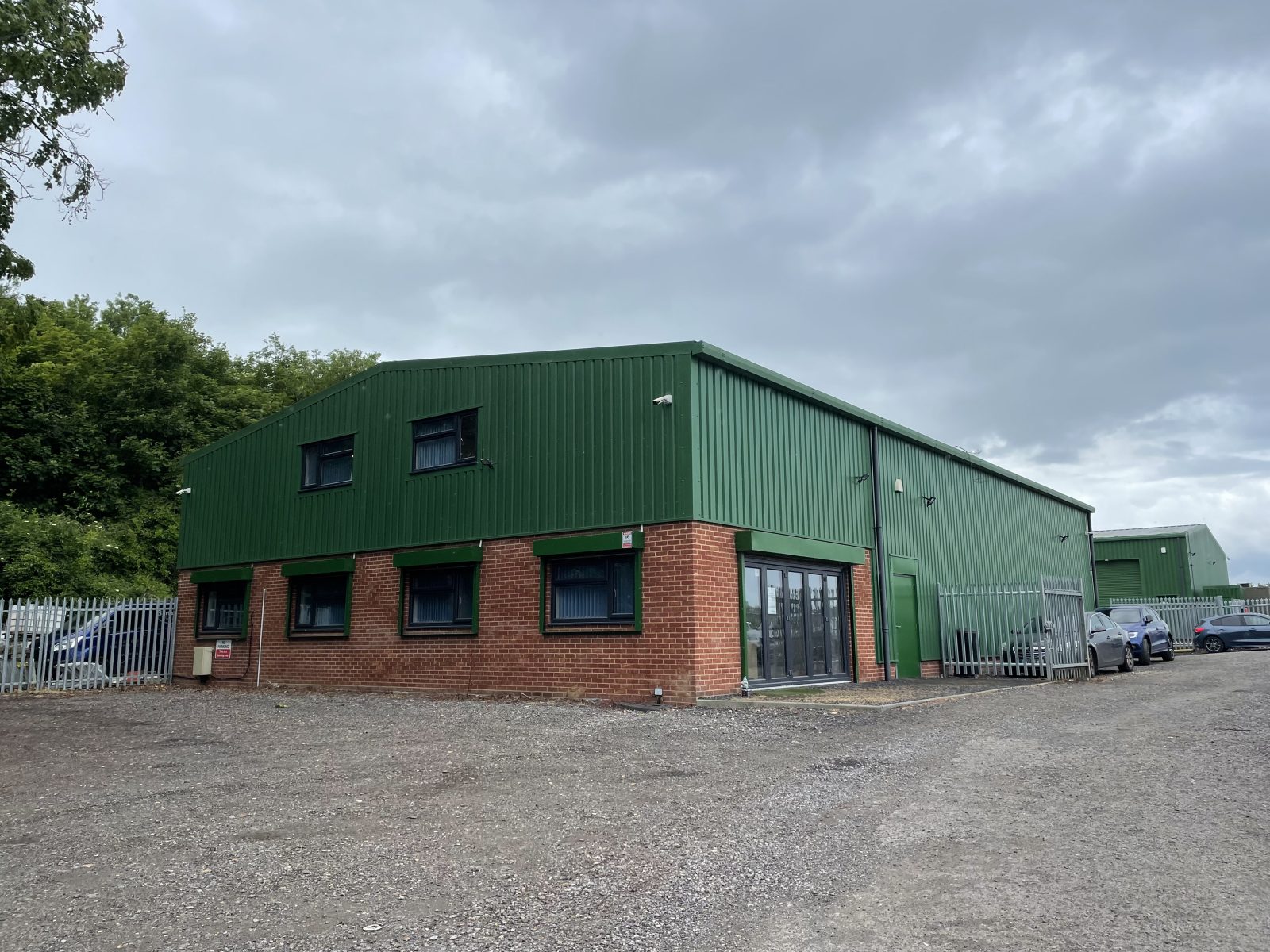
The first was a mixed-use industrial warehouse and office building of approximately 6,500 sq ft. The second was an office building extending to around 2,150 sq ft.
Both properties were approaching the end of their leases. Therefore, we prepared a formal terminal schedule of dilapidations for the landlord at each property.
However, every dilapidations claim depends on the individual lease, building and circumstances. Rather than applying the same process to both properties, we tailored our approach to achieve the most appropriate outcome.
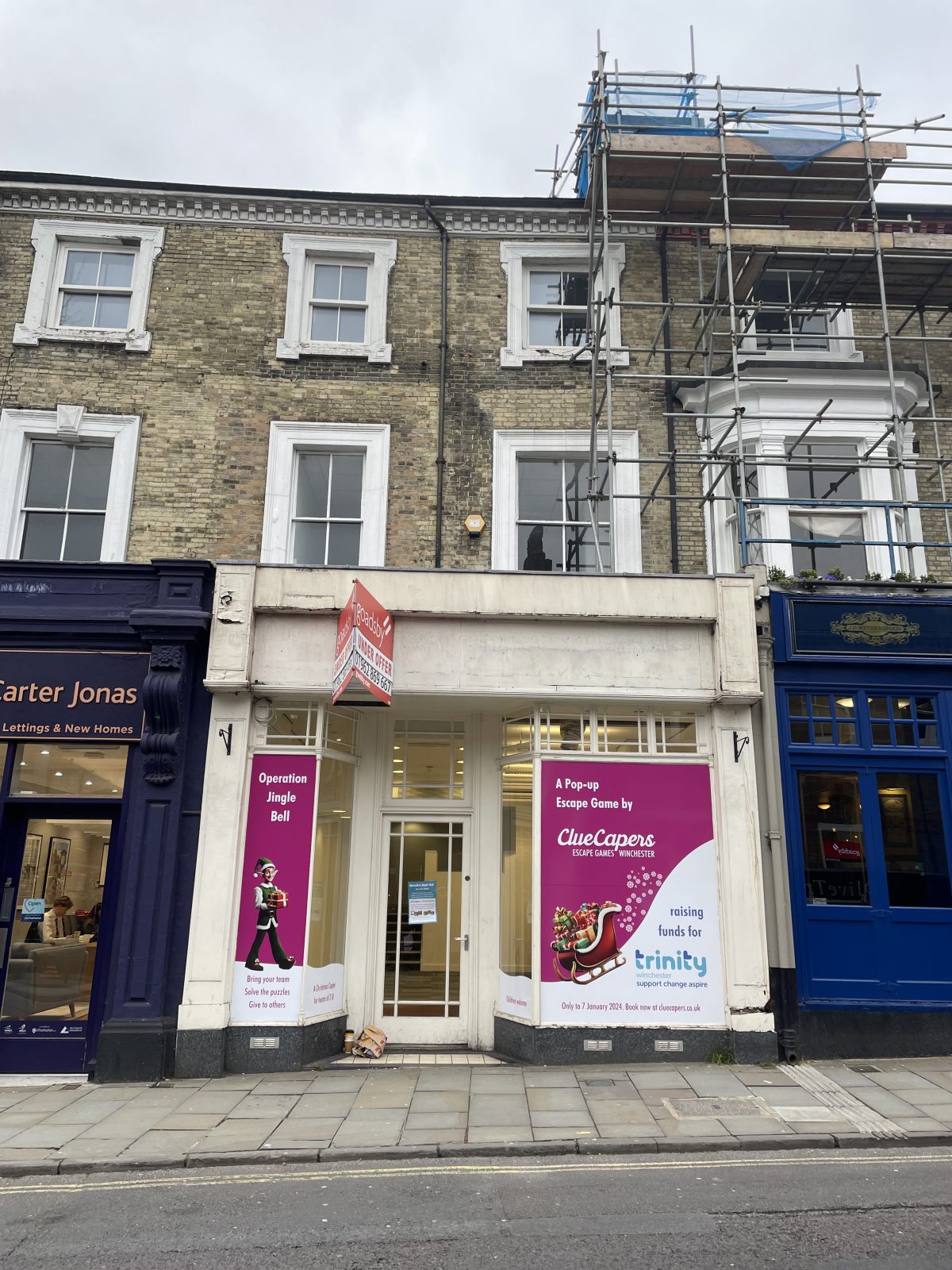
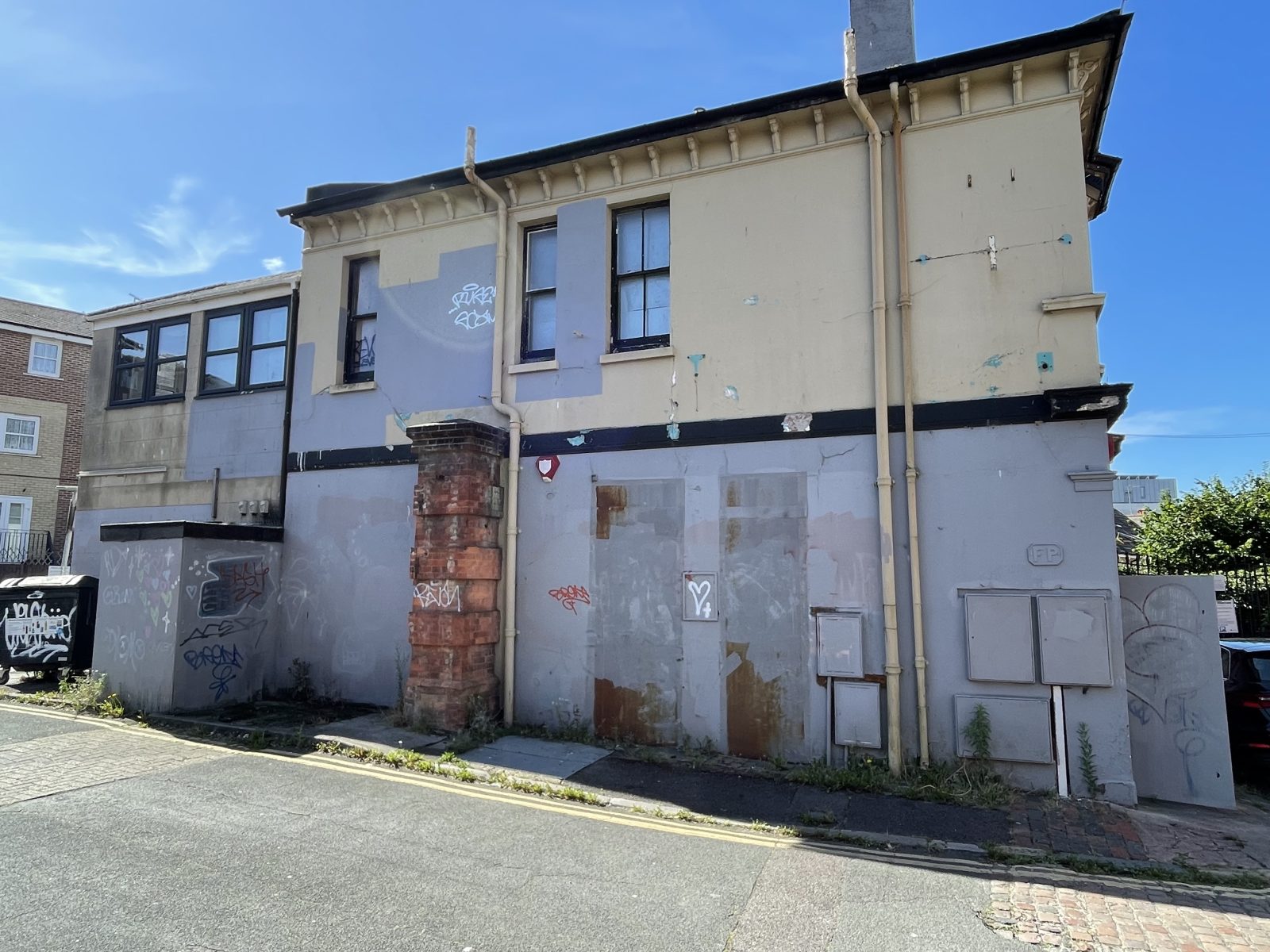
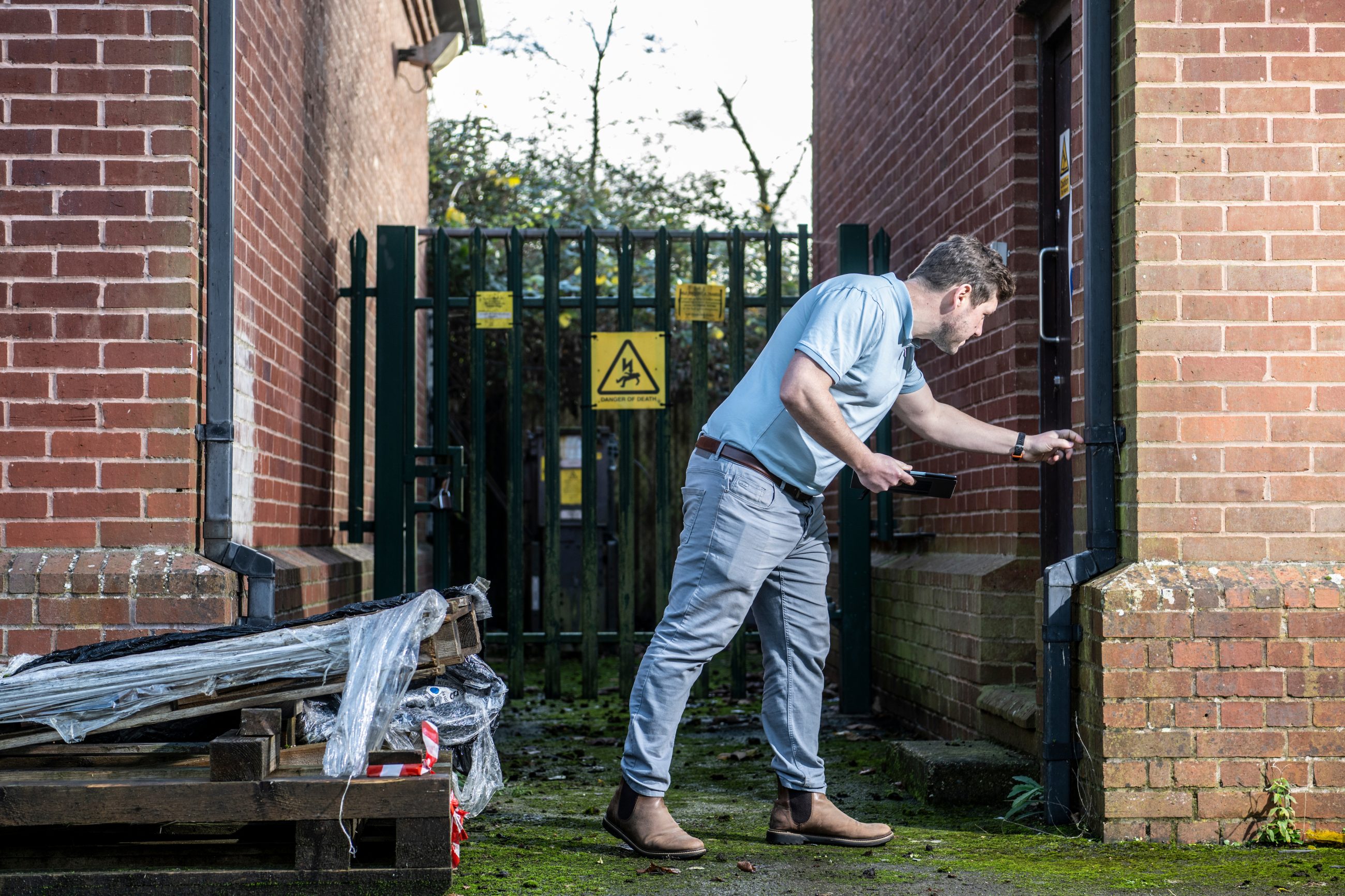
Our team inspected the office and prepared a detailed terminal schedule of dilapidations. We reviewed each item against the tenant’s obligations under the lease and provided realistic costs for the required remedial works.
The clear and well-evidenced schedule gave the landlord a strong position when negotiations began.
As a result, we negotiated with the tenant and agreed a settlement within the first week of them vacating the property. This gave the landlord certainty over the outcome and allowed them to move forward with re-marketing the office without delay.
The industrial property required a different approach. The tenant had occupied the building for more than 30 years and had made several alterations during that time.
We started the process early and inspected the property three months before lease expiry. Following the inspection, we prepared the terminal schedule and arranged a joint meeting with the landlord and tenant.
Together, we agreed which works the tenant would complete before vacating.
Importantly, we also considered the value of the tenant’s alterations. Where an alteration could benefit a future occupier, the landlord agreed to retain it. This avoided unnecessary removal and reinstatement works.
Consequently, both parties saved money and avoided carrying out work that may later have been reversed. The tenant could complete the agreed works before vacating, while the landlord had a clear understanding of how the property would be returned.
Although these two instructions required different approaches, the principles behind our advice remained the same.
Starting the dilapidations process early can give both parties more options. A terminal schedule served ahead of lease expiry allows the tenant to understand their obligations and complete works where appropriate. It can also create an opportunity to agree a financial settlement.
In addition, a schedule should reflect the lease rather than become a wish list of improvements. We assess each item against the relevant lease covenant and consider the age, condition and use of the property.
We also consider the landlord’s plans for the building. For example, proposed refurbishment, re-letting or disposal can affect the loss the landlord may ultimately suffer.
Finally, communication can make a significant difference. As the industrial instruction demonstrated, an early meeting between the parties can resolve practical issues before they become costly disputes.
For the office property, we helped the landlord reach a financial settlement within a week of the tenant vacating.
For the industrial unit, early engagement allowed both parties to agree the works before lease expiry. It also avoided unnecessary reinstatement costs and provided clarity ahead of the tenant leaving.
In both cases, our approach focused on protecting the landlord’s position while finding a practical and commercially sensible resolution.
Taking advice before the lease ends can put you in a much stronger position. An early assessment gives you time to understand the tenant’s obligations and consider the most appropriate approach.
Whether you need a terminal schedule of dilapidations or support negotiating a claim, our Chartered Building Surveyors can guide you through the process.
Get in touch with Bressummer Ark to discuss your property.
Type: Office & Industrial
Location: Reading, Berkshire
Size: Approximately 6,500 sq ft and 2,150 sq ft
Client: Commercial Landlord
Services: Terminal Schedules of Dilapidations & Dilapidations Negotiation
We contacted Bressummer A.R.K. to carry out a dilapidation survey on one of our rental units, from the initial contact through to receiving the report, the communication was first class, the day before the survey we had to notify Bressummer A.R.K. that we needed to reschedule, this wasn’t an issue for them, they were able to fit us in within a few days of the original date.
We would highly recommend this company and will most certainly use them again for future surveys.
Simon White - New Barn Holdings, Winchester
It’s important, in order for us to understand your requirements from the outset in order to give the best commercial building consultancy advice we can.
Enquire