Insight
It’s important, in order for us to understand your requirements from the outset in order to give the best commercial building consultancy advice we can.
Enquire
Sustainability is no longer optional in commercial property. With the UK’s Net Zero targets and investor demand for ESG-compliant assets, landlords face growing pressure to upgrade their buildings. In this article, the Bressummer A.R.K team explore how to future-proof commercial buildings to remain compliant, competitive and attractive to tenants, while also protecting asset value in an evolving regulatory landscape.
Commercial Property & Net Zero
Commercial property is at the forefront of the UK’s journey to Net Zero. Energy consumption, carbon emissions and compliance obligations are shaping how buildings are valued and let.
For landlords, this presents both risk and opportunity. Failure to act could leave properties stranded, unable to be legally let or unattractive to tenants. But proactive investment in sustainability and ESG (Environmental, Social, Governance) measures can enhance long-term value and appeal.
The question is, how can landlords ensure their buildings remain fit for the future?
The Changing Landscape of Commercial Property
There has been a notable tightening of minimum rating of EPCs, governed by the Minimum Energy Efficiency Standards (MEES) Regulations, of late. Since April 2023, commercial properties with an EPC below ‘E’ cannot legally be let.
Indeed, proposals for the future suggest a potential increase to a minimum ‘C’ or even ‘B’ rating by 2030 might be on the cards.
Investor and Tenant Expectations
We are seeing corporate tenants increasingly demand sustainable premises as part of their ESG commitments.
This is leading to investors and lenders favouring greener portfolios.
Buildings that fail on ESG can deter occupiers, reduce rentability and lose long-term value. Not great for your investment prospects.


Practical Steps to Future-Proof Your Building
To avoid this scenario, what can you do? The Bressummer A.R.K team have put together a checklist of 5 actions you can take.

Benefits of Future-Proofing for Landlords
There are many benefits to future-proofing for landlords.
Proactive upgrades reduce the risk of regulatory breaches and void periods caused by non-compliant assets.
Sustainability is increasingly a tenant selection factor. Green buildings attract high-quality, long-term occupiers.
Energy-efficient, ESG-compliant buildings are more attractive to investors and retain market value.
Efficiency upgrades lower energy bills and service charges, making properties more appealing to tenants.
Common Landlord Challenges
Implementing some, if not all, of the actions above may look unappealing due to the investment required. However, the benefits over the short and longer-term are considerable and there are ways to mitigate some of the more common landlord objections.
Upfront cost of upgrades: While improvements require capital, phased programmes and government incentives (tax reliefs) can ease the burden.
Balancing landlord and tenant interests: Green leases provide a framework for shared responsibility, easing the onus on the landlord exclusively.
Uncertainty about future standards: Aiming above minimum compliance now avoids repeated and expensive retrofitting later.
Preparing Your Building For The Future
The push towards Net Zero and ESG compliance is reshaping the commercial property market. For landlords, the message is clear: adapt now or risk being left behind.
Future-proofing is not just about avoiding penalties, it’s about staying competitive, attracting tenants and protecting long-term asset value. The sooner action is taken, the greater the rewards.
If you are looking to future-proof your commercial property, Bressummer ARK can help.
Talk to us about surveys, sustainability audits and strategic advice to align your building with Net Zero and ESG requirements. Contact us today on 023 8212 8803 or email sales@bressummerark.co.uk to protect your investment.
It means upgrading and managing a property to meet upcoming Net Zero and ESG standards, ensuring compliance, tenant appeal and long-term value.
Yes. Since April 2023, it has been unlawful to let properties below ‘E’ unless exempt. Further tightening is expected.
A lease that includes clauses requiring both landlord and tenant to pursue sustainable practices such as energy efficiency and waste reduction.
Compliance, reduced risk of voids, stronger tenant demand, higher asset value and lower operating costs.
It’s important, in order for us to understand your requirements from the outset in order to give the best commercial building consultancy advice we can.
Enquire
Full steam ahead on surveys and PPMs across the South, maintaining responsive service and supporting clients with fast-turnaround instructions.
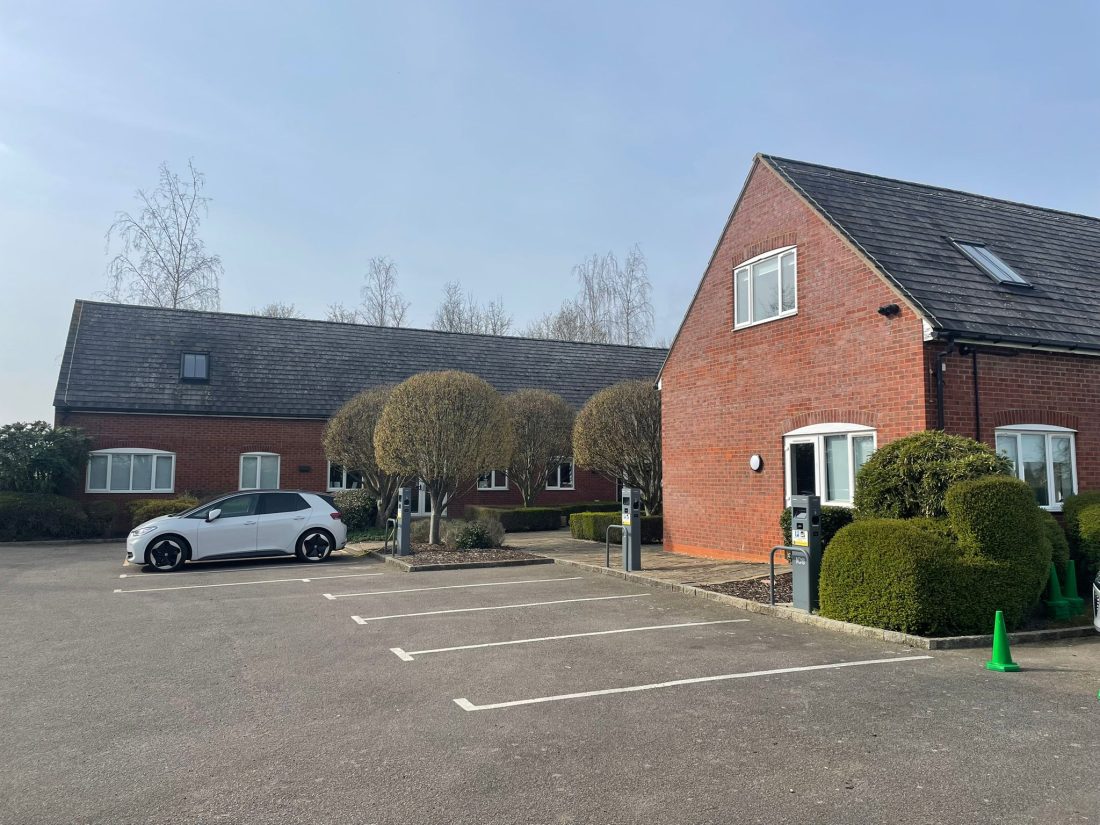
Most lease renewals are treated as routine — but without understanding the building’s condition, tenants can take on far more risk than they realise.

Energy efficiency is becoming an increasingly important issue in the UK commercial property market. Government regulations aimed at improving the environmental performance of buildings are evolving, and one of the most significant frameworks landlords need to understand is the Minimum Energy Efficiency Standards (MEES).

With the new RICS standard on AI now in effect, surveying firms must follow clear rules around how technology is used in professional services. We explore what this means for property owners and how Bressumer ARK ensures clients remain in safe hands.

Commercial property transactions often appear straightforward on the surface: agree terms, instruct solicitors, sign documents and complete. In reality, they carry significant technical and financial risk. Hidden defects, compliance issues and unclear repair obligations can quickly turn a good deal into an expensive mistake.
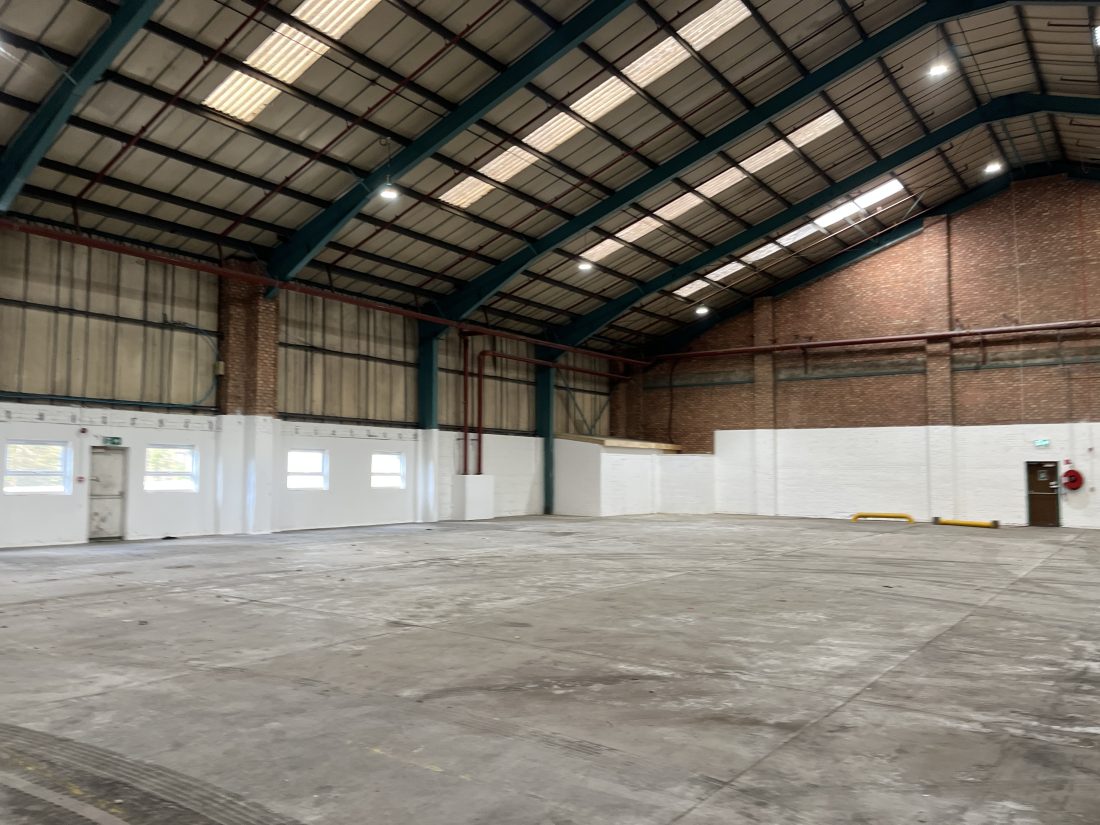
Industrial warehouses often appear simple, but many of the most costly issues remain hidden until a lease ends, a building is sold, or operations change. This article explains what surveyors look for in industrial warehouses — from roofs and floors to external areas and fire safety — and why understanding condition early can help reduce risk, cost and disruption.

We’re delighted to welcome Steve to the Bressummer A.R.K team as our new Associate Director. Here’s a little more about him…

Browse the questions we tend to get asked most around how we operate and our company.
Browse the questions we tend to get asked most around Dilapidation matters.
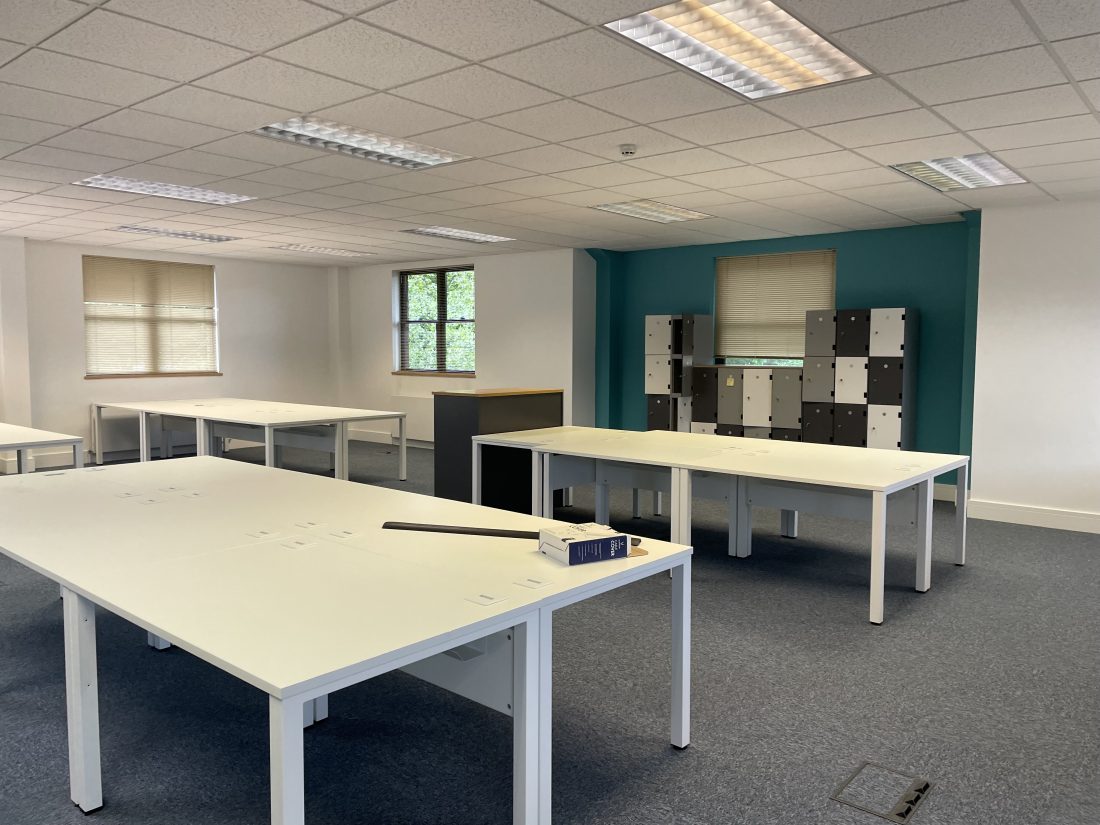
Understanding your dilapidation liabilities is essential for any commercial tenant preparing for the end of a lease. This clear and practical guide explains how Tenant's can make their own assessments from reviewing their obligations in the lease.
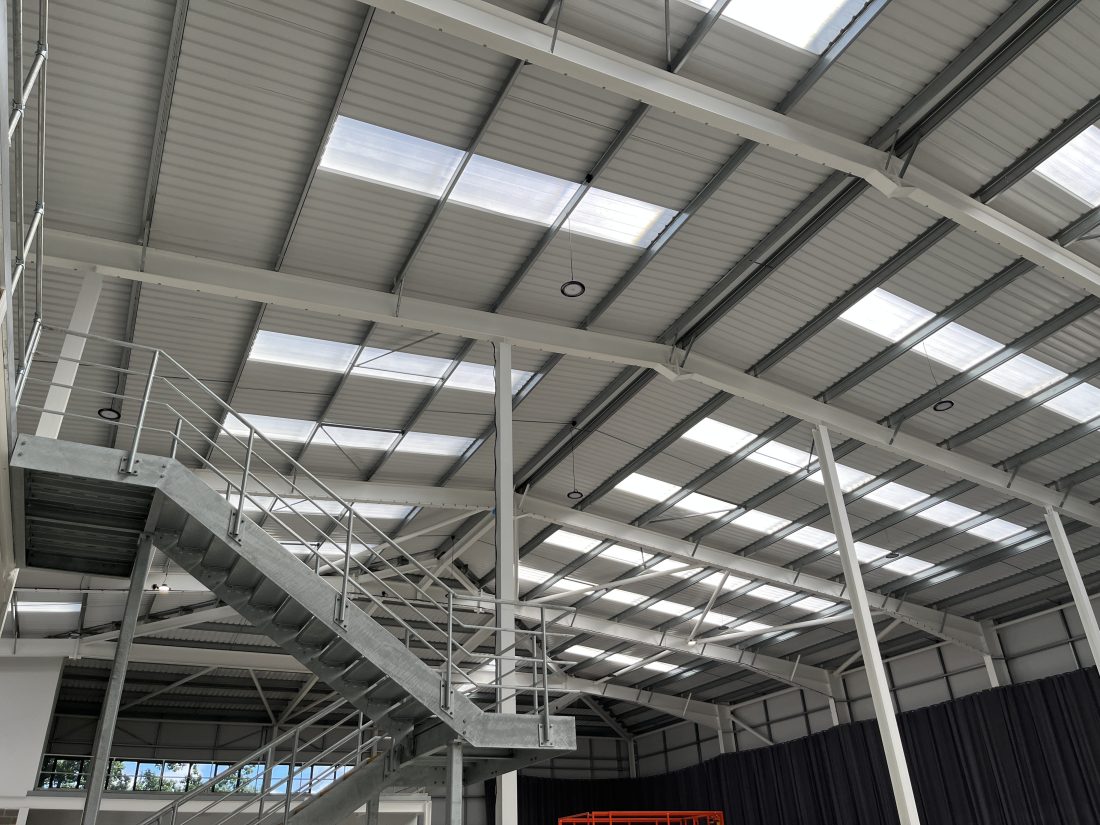
In this article, we look at the risks associated with tenant alterations in commercial buildings and how professional technical oversight helps protect landlords, buildings and long-term asset value.

Sustainability is no longer just a buzzword in commercial property. Across the UK, environmental performance is becoming a key consideration for landlords, investors and occupiers alike. One of the clearest signs of this shift is the growing use of green clauses in commercial leases.
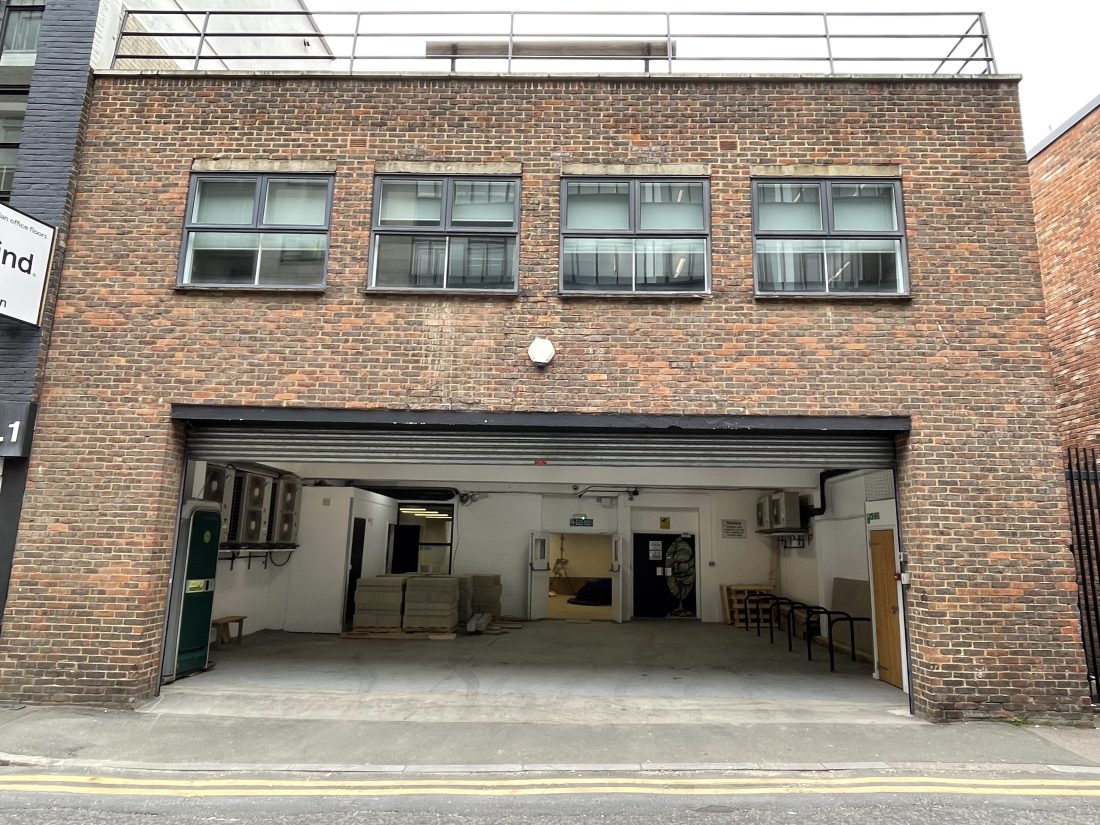
A practical guide to Schedules of Dilapidations, answering the five questions landlords and tenants ask most when approaching lease expiry.
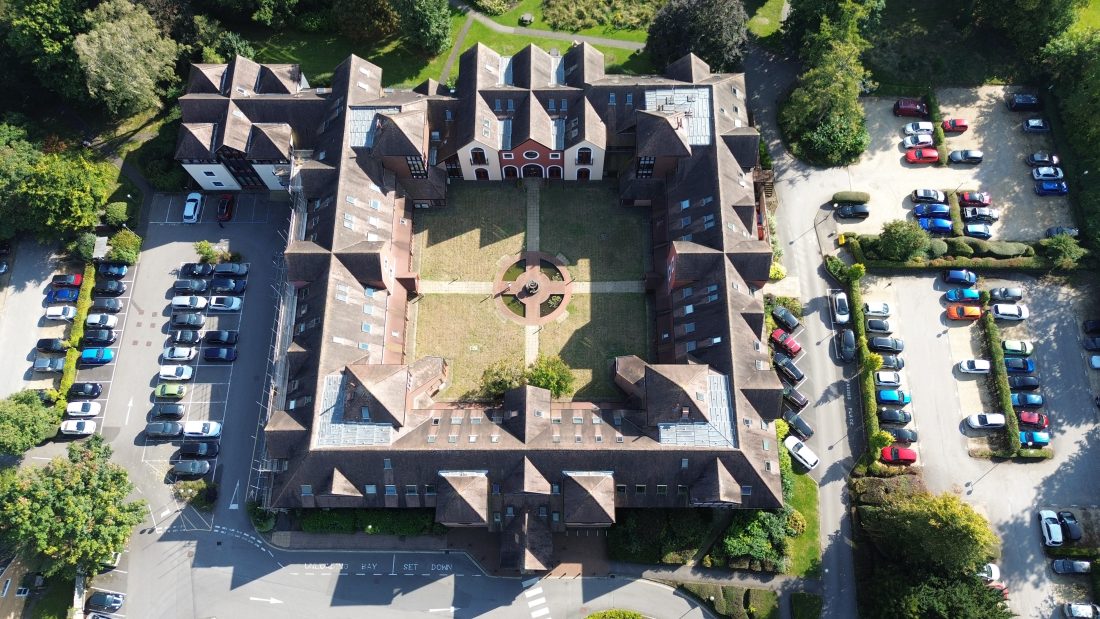
In this article we explain how commercial building consultancies structure and work out their pricing for carrying out commercial building surveys in England.

Technology is transforming building surveying, ushering the profession into a new era. Modern tools such as drones, 3D scanning and digital twins are reshaping how surveyors inspect, record and manage buildings. What once relied on tape measures, ladders and paper reports is now supported by high-precision digital data, delivering safer, faster and more accurate inspections. Yet while technology is driving impressive change, it doesn’t replace the surveyor’s expertise, it strengthens it.

A Schedule of Condition is one of the most powerful tools a tenant can use to manage risk in a commercial lease. By documenting the state of a property at the outset, tenants can prevent being unfairly held liable for pre-existing issues. In this blog, the Bressummer A.R.K team explain what a Schedule of Condition is, why it matters and how it can save tenants thousands of pounds in dilapidations claims.

Dilapidation claims are a routine part of commercial property management, but they are also one of the most common sources of disputes between landlords and tenants. Many landlords weaken their position by making avoidable mistakes, from overestimating claims to failing to prepare evidence. In this blog, the Bressummer A.R.K team outline the most frequent errors that we see landlords make and explain how to avoid them, ensuring smoother negotiations and stronger recovery of costs.

Signing a commercial lease is one of the biggest commitments a business will make, but it’s often rushed through under pressure to secure the right premises. This blog provides tenants with a practical, step-by-step checklist before signing, highlighting responsibilities, financial risks, and essential documents. With careful preparation and expert advice, tenants can avoid costly surprises and ensure their lease supports their long-term business goals.
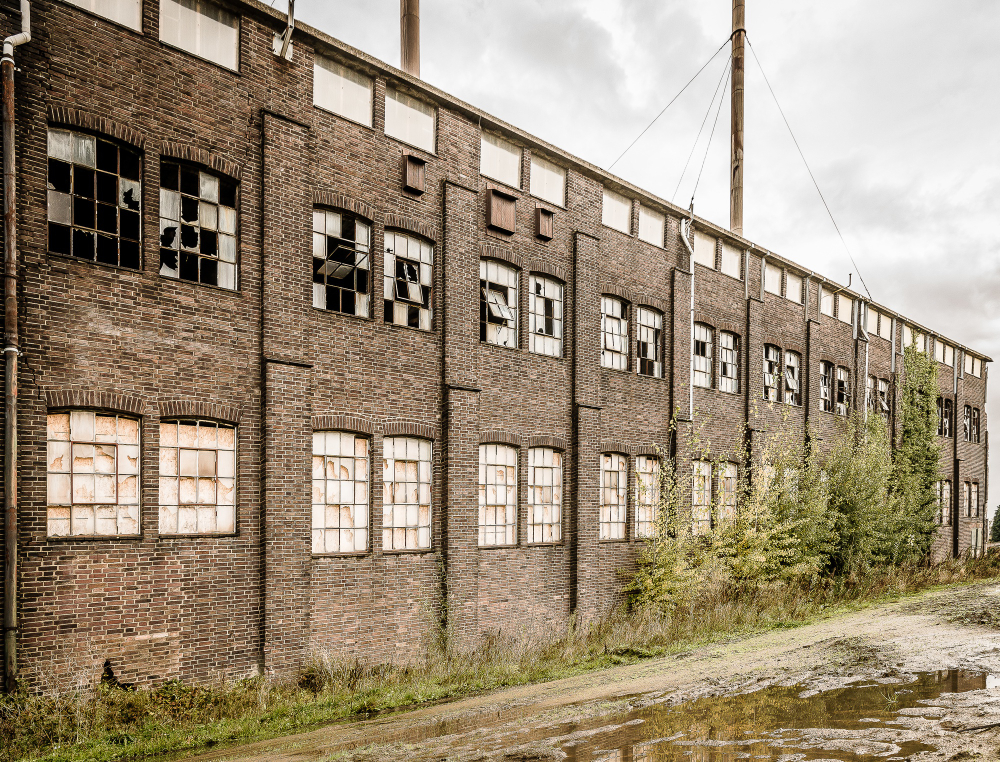
For many tenants, dilapidations is one of the most confusing, and costly, parts of leasing a building. Put simply, dilapidations refer to the repairs and reinstatement works that a tenant must complete under their lease obligations. Understanding the meaning of dilapidations early on can help you avoid unexpected bills, disputes with your landlord and unnecessary stress when your lease comes to an end.

Who Pays for a Dilapidations Survey? A Guide for Commercial Landlords and Tenants. This article explains the typical lease clauses that allow surveyor costs to be claimed, why they exist, and what landlords can do to benefit from them.
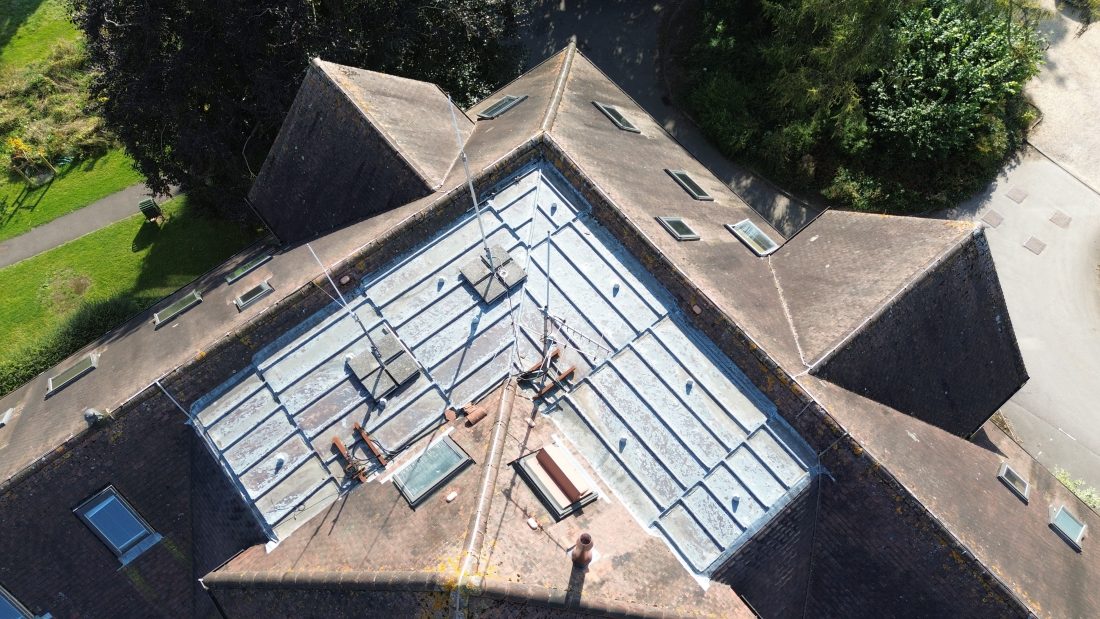
In this blog, we explain what a PPM Survey involves, why it is essential, and how it has already helped organisations like Test Valley Borough Council protect their property assets.

When buying or leasing a commercial property, it is easy to get caught up in the location, potential returns, and how quickly you can get the deal done. But one of the most important steps in protecting your investment is often overlooked — A Commercial Building Survey, also known as Technical Due Diligence or TDD.

When delving into the intricacies of commercial real estate, one document that stands out is the Schedule of Condition (SOC). Think of it as a detailed 'snapshot' of a property’s current state, similar to an 'inventory' list for a rental car, capturing all existing dents and scratches before driving off the lot. This snapshot helps prevent disputes about who caused what damage later on.

At Bressummer ARK Ltd., we believe that business success should go hand in hand with making a positive impact.