Insight
It’s important, in order for us to understand your requirements from the outset in order to give the best commercial building consultancy advice we can.
Enquire
A Schedule of Condition is one of the most powerful tools a tenant can use to manage risk in a commercial lease. By documenting the state of a property at the outset, tenants can prevent being unfairly held liable for pre-existing issues. In this blog, the Bressummer A.R.K team explain what a Schedule of Condition is, why it matters and how it can save tenants thousands of pounds in dilapidations claims.
Introduction
When tenants sign a new commercial lease, the focus is usually on location, rent and layout. What often gets overlooked is the condition of the property itself and how this can place liabilities on new Tenant’s if not documented correctly.
Without formal documentation, tenants may inadvertently take on responsibility for repairing long-standing defects that were never their fault. This is where a Schedule of Condition comes in. Think of it as a safety net, an official record that protects tenants from unfair claims at the end of their lease.
What is a Schedule of Condition?
A Schedule of Condition (SoC) is a professionally prepared report, usually accompanied by photographs, that records the exact state of a property at the start of a lease.
It provides evidence of:
This document then becomes a benchmark. When the lease ends, the landlord cannot reasonably claim the tenant is responsible for repairing or improving issues already present at the start.

Why It Matters for Tenants
Dilapidations claims can be significant, often tens or hundreds of thousands of pounds. Without a Schedule of Condition, tenants may find themselves footing the bill for defects they never caused.
Having a clear record strengthens a tenant’s position when negotiating lease terms or challenging landlord claims at lease expiry.
An SoC creates clarity. Both parties know exactly what condition the property was in from day one, reducing the likelihood of disputes later.
Commissioning an SoC is relatively inexpensive compared to the potential liabilities it mitigates. It is an investment in peace of mind.

Common Situations Without a Schedule of Condition
In both cases, a Schedule of Condition could have prevented the dispute.

How a Schedule of Condition is Prepared
Step 1: Site Inspection
A chartered building surveyor, such as Bressummer A.R.K, visits the property to assess and document the condition.
Step 2: Detailed Report
The surveyor produces a written record describing each element of the property: floors, ceilings, walls, doors, windows and services.
Step 3: Photographic Evidence
High-quality images accompany the report to provide visual proof of any defects or wear.
Step 4: Incorporation into Lease
The Schedule is then attached to the lease and formally referenced, ensuring it is legally recognised as part of the agreement.


When Should a Tenant Commission a Schedule of Condition?
Ideally, as early as possible in the leasing process; certainly before signing the lease. It should be prepared after heads of terms are agreed but before contracts are finalised.
Even tenants taking on short-term leases can benefit. Minor disputes over repairs or reinstatement can still result in significant costs.
The inclusion of a schedule of condition must be agreed with the Landlord as part of the lease negotiations so it is important to consider this also.
Simple but Important
A Schedule of Condition may be a relatively simple document, but its impact is profound. It provides tenants with a clear line of defence against unfair dilapidations claims, strengthens negotiations and gives confidence when signing a new lease.
For businesses, it is not just a precaution, it is essential risk management.
Schedule of Condition and Bressummer A.R.K
Considering a new commercial lease? Don’t leave yourself exposed. Contact Bressummer A.R.K today to organise a professional Schedule of Condition and protect your business from future costly surprises.
It records the property’s condition at lease commencement, protecting tenants from being held liable for pre-existing defects.
Yes, when attached to and referenced in the lease, it forms part of the contractual agreement.
Costs vary depending on property size, but they are usually a fraction of the potential savings on avoided claims.
Most landlords will, as it creates transparency. If they resist, tenants could view this as a red flag.
It’s important, in order for us to understand your requirements from the outset in order to give the best commercial building consultancy advice we can.
Enquire
We’re delighted to welcome Steve to the Bressummer A.R.K team as our new Associate Director. Here’s a little more about him…

Browse the questions we tend to get asked most around how we operate and our company.
Browse the questions we tend to get asked most around Dilapidation matters.
Understanding your dilapidation liabilities is essential for any commercial tenant preparing for the end of a lease. This clear and practical guide explains how Tenant's can make their own assessments from reviewing their obligations in the lease.
In this article, we look at the risks associated with tenant alterations in commercial buildings and how professional technical oversight helps protect landlords, buildings and long-term asset value.

Sustainability is no longer just a buzzword in commercial property. Across the UK, environmental performance is becoming a key consideration for landlords, investors and occupiers alike. One of the clearest signs of this shift is the growing use of green clauses in commercial leases.
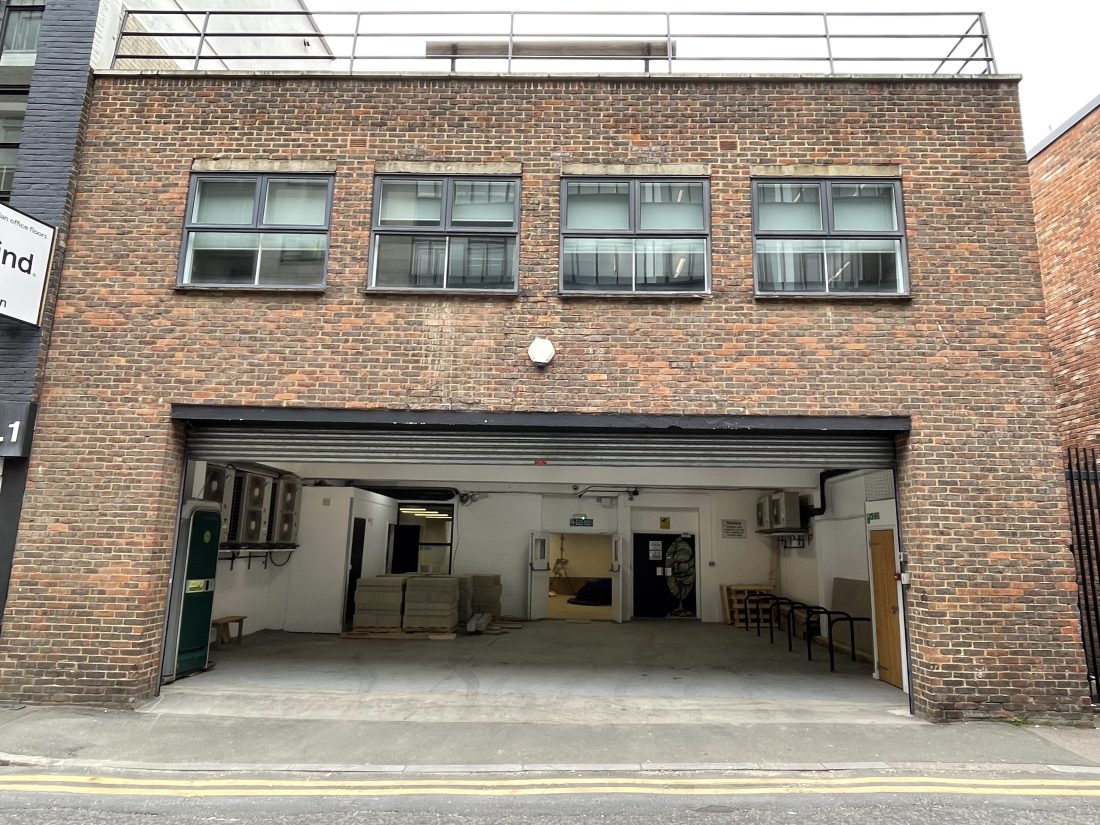
A practical guide to Schedules of Dilapidations, answering the five questions landlords and tenants ask most when approaching lease expiry.
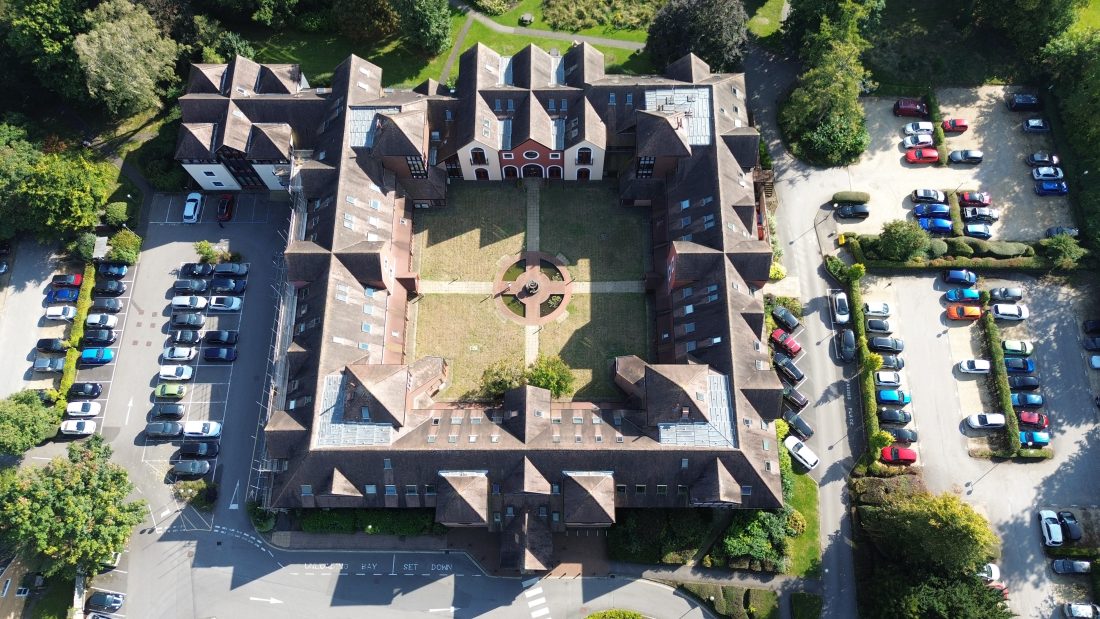
In this article we explain how commercial building consultancies structure and work out their pricing for carrying out commercial building surveys in England.

Technology is transforming building surveying, ushering the profession into a new era. Modern tools such as drones, 3D scanning and digital twins are reshaping how surveyors inspect, record and manage buildings. What once relied on tape measures, ladders and paper reports is now supported by high-precision digital data, delivering safer, faster and more accurate inspections. Yet while technology is driving impressive change, it doesn’t replace the surveyor’s expertise, it strengthens it.

Sustainability is no longer optional in commercial property. With the UK’s Net Zero targets and investor demand for ESG-compliant assets, landlords face growing pressure to upgrade their buildings. In this article, the Bressummer A.R.K team explore how to future-proof commercial buildings to remain compliant, competitive and attractive to tenants, while also protecting asset value in an evolving regulatory landscape.
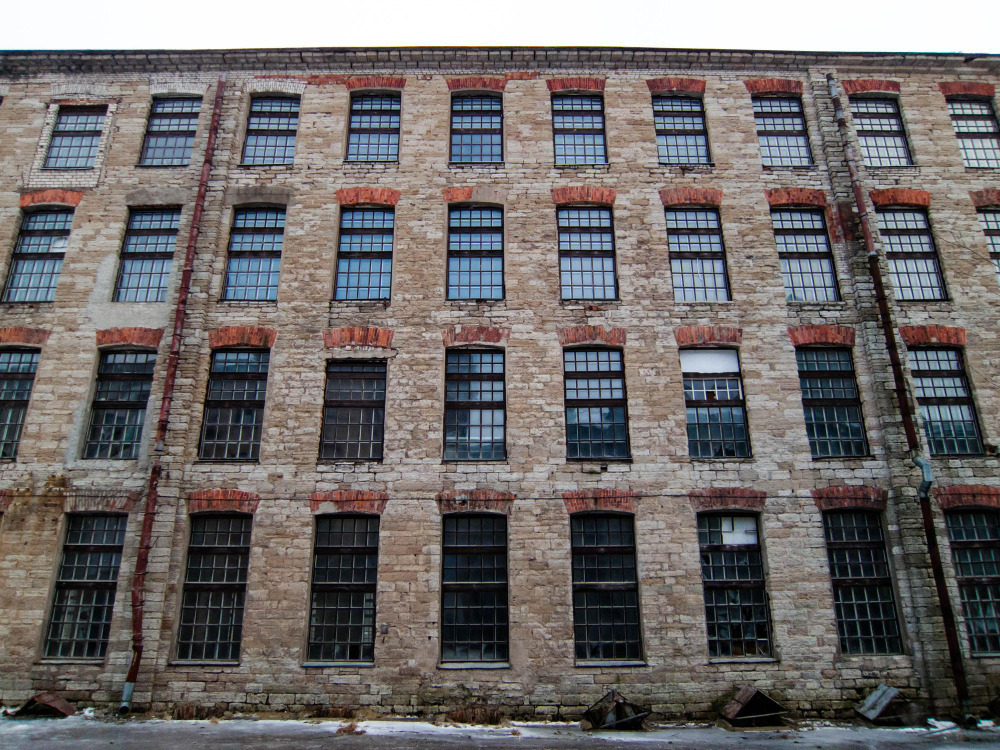
Dilapidation claims are a routine part of commercial property management, but they are also one of the most common sources of disputes between landlords and tenants. Many landlords weaken their position by making avoidable mistakes, from overestimating claims to failing to prepare evidence. In this blog, the Bressummer A.R.K team outline the most frequent errors that we see landlords make and explain how to avoid them, ensuring smoother negotiations and stronger recovery of costs.
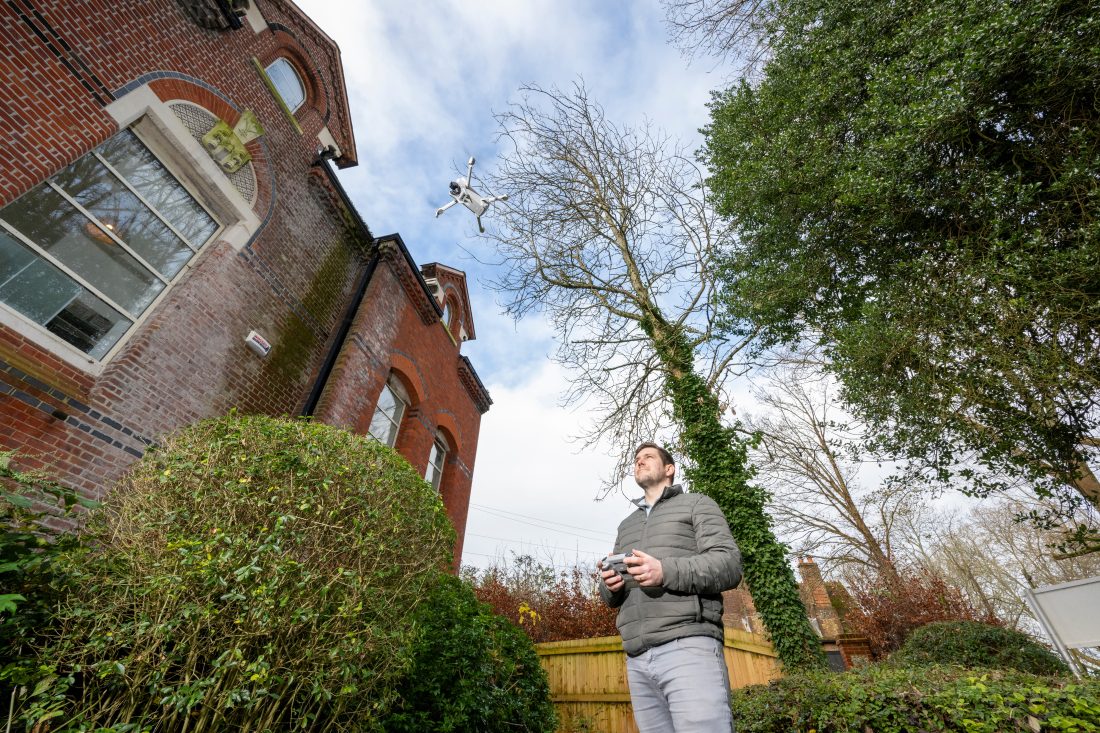
Signing a commercial lease is one of the biggest commitments a business will make, but it’s often rushed through under pressure to secure the right premises. This blog provides tenants with a practical, step-by-step checklist before signing, highlighting responsibilities, financial risks, and essential documents. With careful preparation and expert advice, tenants can avoid costly surprises and ensure their lease supports their long-term business goals.
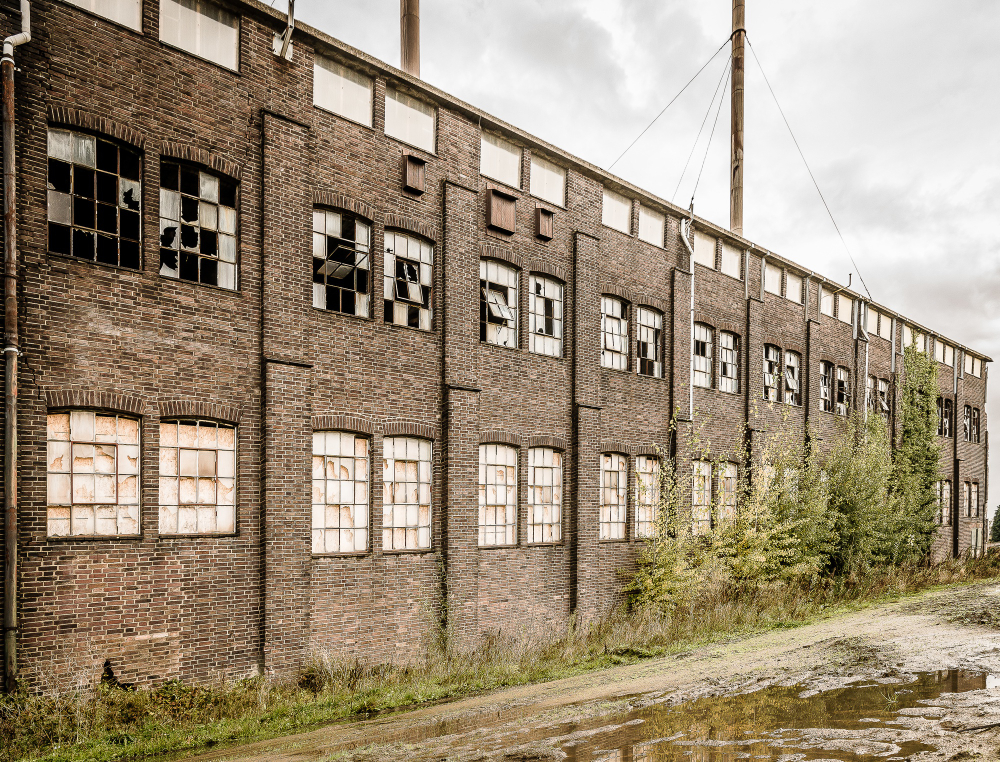
For many tenants, dilapidations is one of the most confusing, and costly, parts of leasing a building. Put simply, dilapidations refer to the repairs and reinstatement works that a tenant must complete under their lease obligations. Understanding the meaning of dilapidations early on can help you avoid unexpected bills, disputes with your landlord and unnecessary stress when your lease comes to an end.
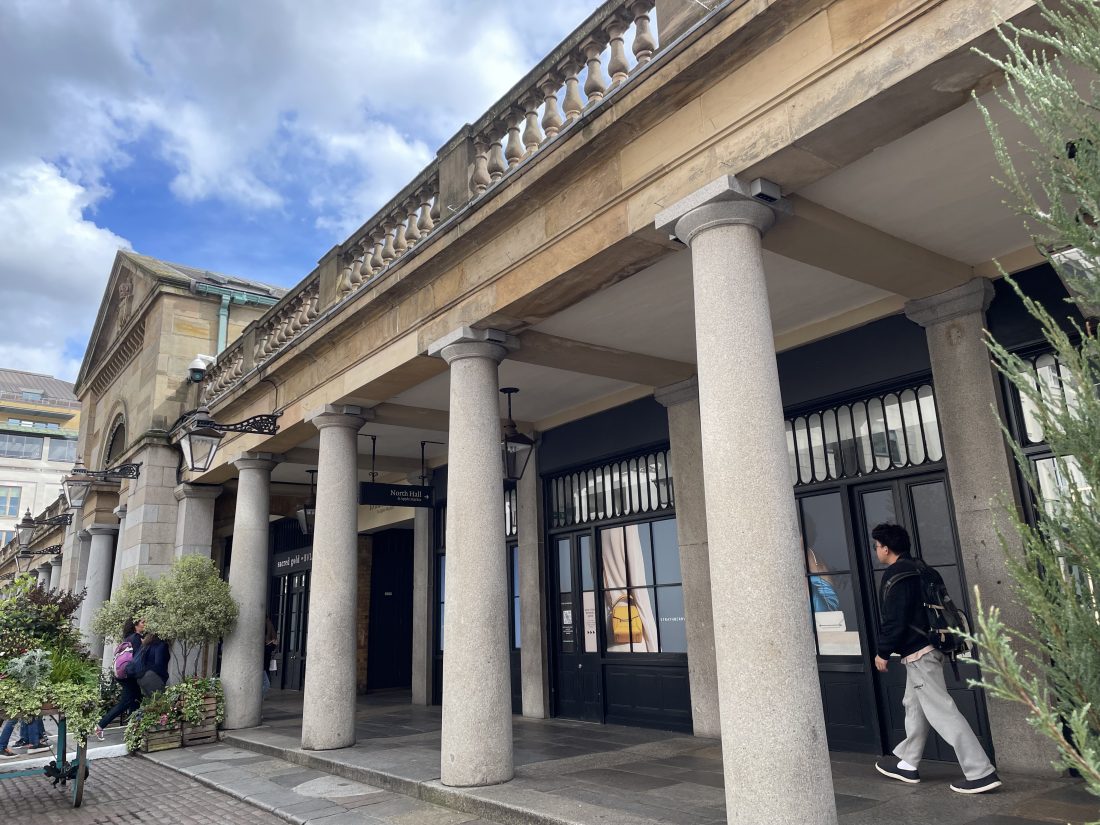
Who Pays for a Dilapidations Survey? A Guide for Commercial Landlords and Tenants. This article explains the typical lease clauses that allow surveyor costs to be claimed, why they exist, and what landlords can do to benefit from them.
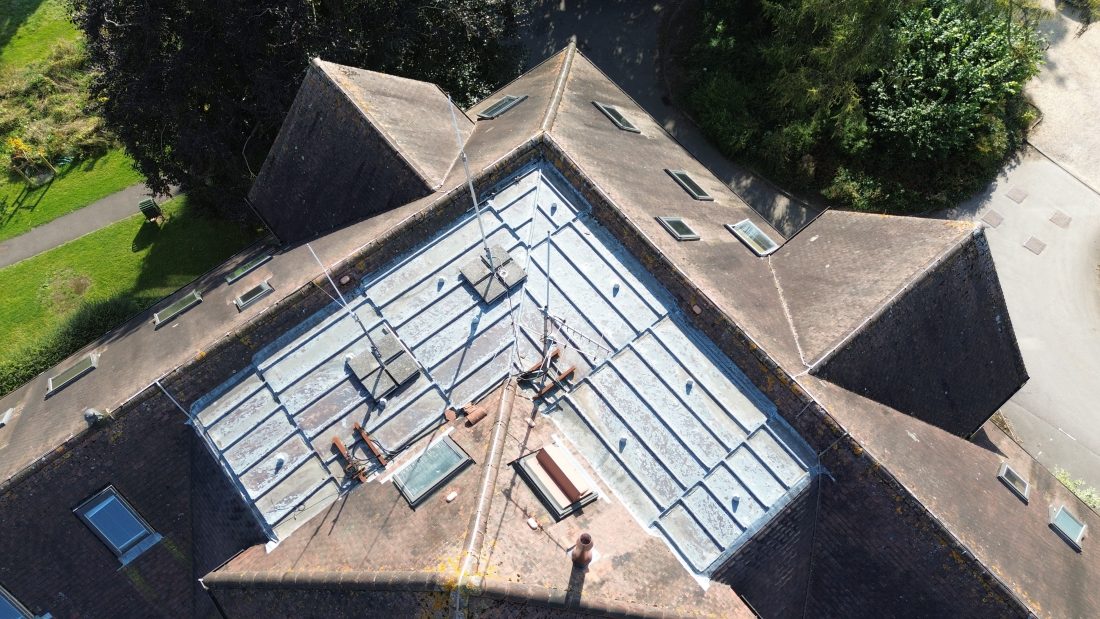
In this blog, we explain what a PPM Survey involves, why it is essential, and how it has already helped organisations like Test Valley Borough Council protect their property assets.

When buying or leasing a commercial property, it is easy to get caught up in the location, potential returns, and how quickly you can get the deal done. But one of the most important steps in protecting your investment is often overlooked — A Commercial Building Survey, also known as Technical Due Diligence or TDD.
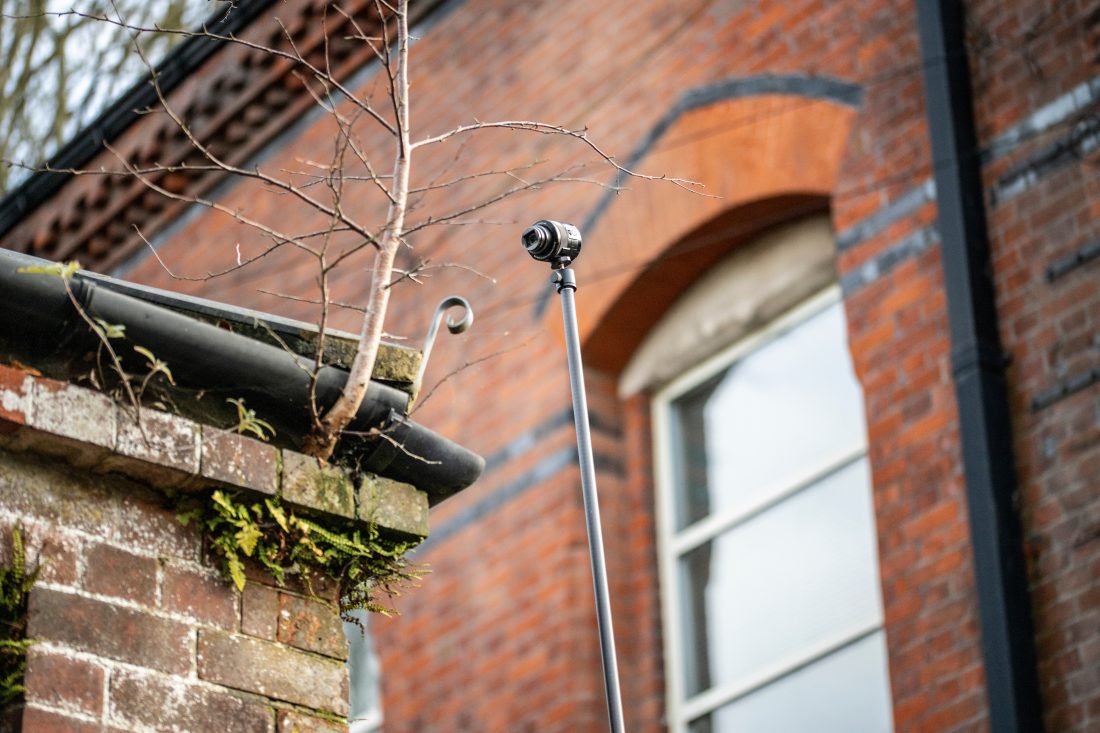
When delving into the intricacies of commercial real estate, one document that stands out is the Schedule of Condition (SOC). Think of it as a detailed 'snapshot' of a property’s current state, similar to an 'inventory' list for a rental car, capturing all existing dents and scratches before driving off the lot. This snapshot helps prevent disputes about who caused what damage later on.

At Bressummer ARK Ltd., we believe that business success should go hand in hand with making a positive impact.