Insight
It’s important, in order for us to understand your requirements from the outset in order to give the best commercial building consultancy advice we can.
Enquire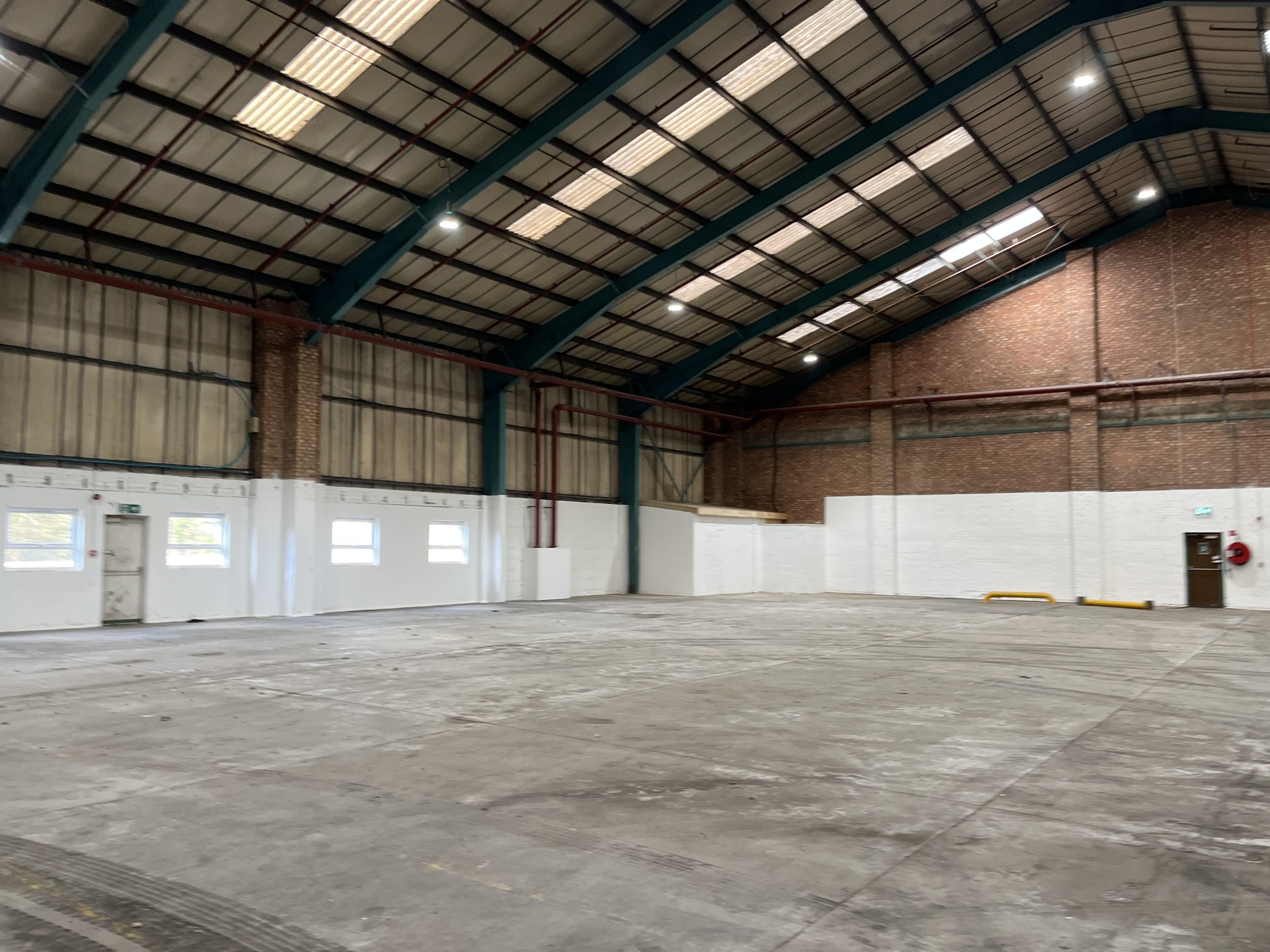
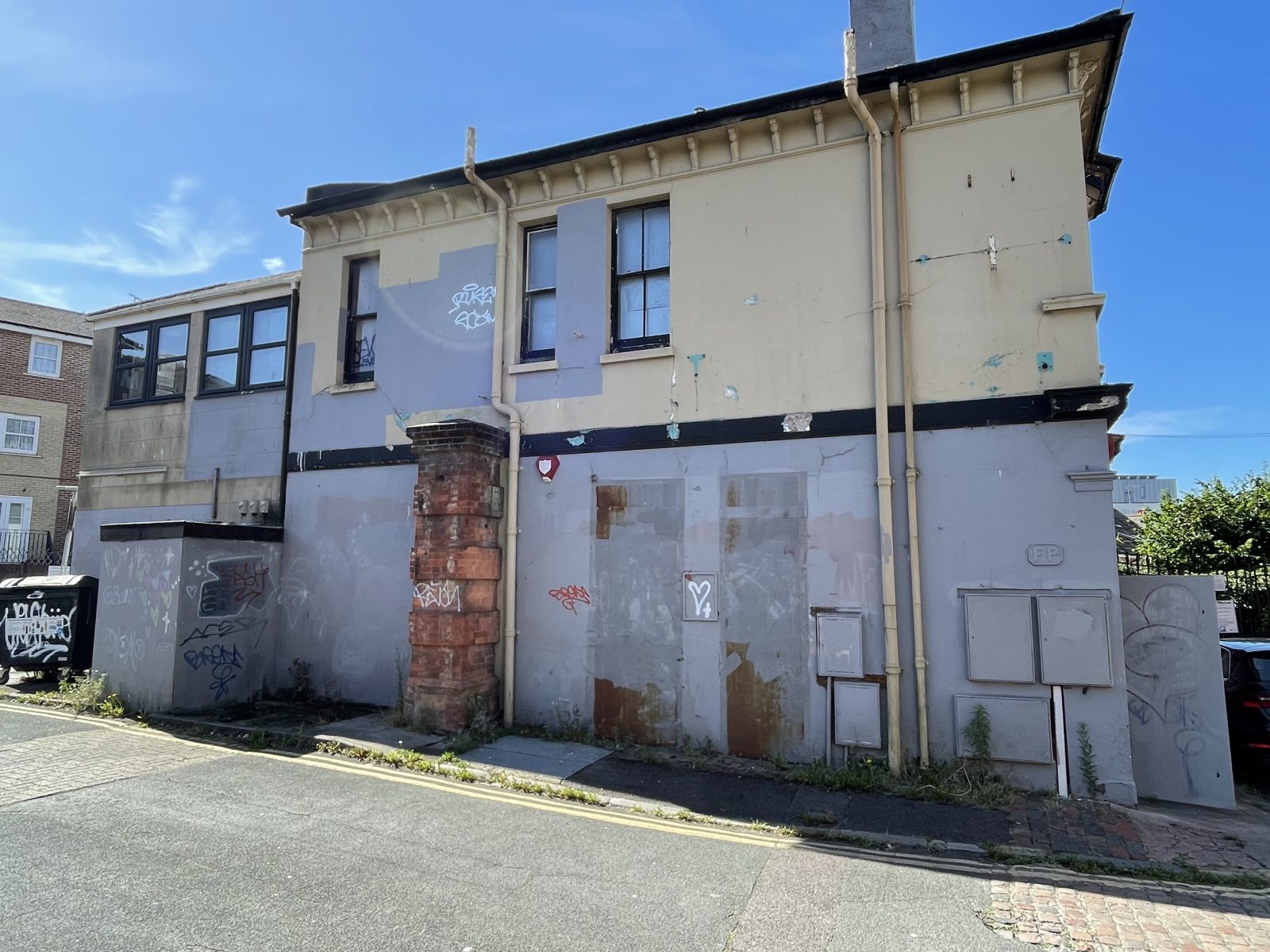
Industrial warehouses often appear simple, but many of the most costly issues remain hidden until a lease ends, a building is sold, or operations change. This article explains what surveyors look for in industrial warehouses — from roofs and floors to external areas and fire safety — and why understanding condition early can help reduce risk, cost and disruption.
Industrial buildings are often assumed to be fairly straightforward. They tend to be practical rather than decorative, with large open spaces and simple finishes, so it’s easy to think there’s less that can go wrong.
In reality, warehouses often hide their problems well. Issues can sit quietly for years and only come to light when a building is bought, a lease comes to an end, or a business changes how the space is used. By that point, the cost and disruption can be far greater than expected.
A survey isn’t about finding fault for the sake of it. It’s about understanding the building you’re taking on, where the genuine risks sit, and what can sensibly be planned for over time.
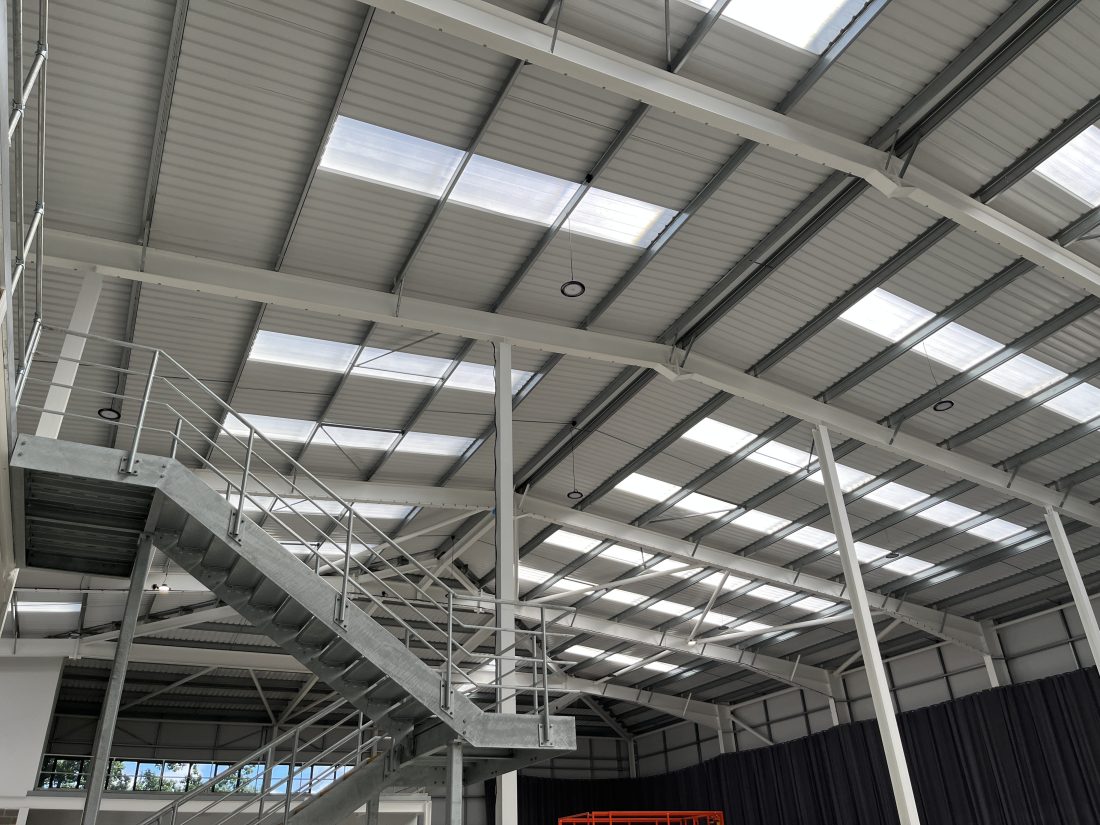
If there’s one element that causes the most difficulty in industrial buildings, it’s the roof.
Warehouse roofs cover a large area, are exposed to the elements, and are often approaching the end of their working life. Many haven’t been inspected closely for years. We frequently come across ageing asbestos cement sheets, patch repairs from historic leaks, and drainage that simply isn’t coping as it should.
Even relatively small defects can lead to water ingress, damage to stock, or disruption to day-to-day operations. More importantly, full replacement costs can be significant and are often not factored in at the point of purchase or lease.
Understanding the condition of the roof early allows those costs to be anticipated rather than discovered at an inconvenient moment.
Warehouse floors do a lot of heavy lifting, quite literally. Forklifts, racking systems and machinery all place demands on them that aren’t always obvious at first glance.
Cracking, settlement or failing joints may not stop a building being used today, but they can become an issue as operations intensify or change. We also look at whether a floor is actually suitable for the intended use, particularly where higher loads, automation or specialist storage is involved.
Once a warehouse is operational, upgrading or replacing a floor can be extremely disruptive, so it’s an area where early clarity is especially valuable.
Yards, access roads and loading areas rarely get much attention, yet they’re fundamental to how a warehouse functions.
Wear to hardstanding, poor drainage, or damaged areas around loading bays can all affect safety and efficiency. On estates, responsibility for these areas isn’t always obvious, and repair obligations can catch occupiers out.
A survey helps establish not just condition, but also where responsibility is likely to sit — which can be just as important.
Services in industrial buildings are often minimal, but that doesn’t mean they’re risk-free.
Electrical installations may be dated or insufficient for modern operational demands. Fire alarms, emergency lighting and ventilation systems may still be working, but no longer fully aligned with current expectations or the building’s use.
We’re not looking to turn a practical building into something it isn’t, but to flag where upgrades may be needed now or in the near future, so there are no surprises later.
Warehouses can carry a higher fire risk than many people realise. High storage volumes, racking systems and changes in use over time all have an impact.
We consider escape routes, compartmentation and fire protection measures in the context of how the building is actually being used, rather than simply whether something is present or not. This is as much about insurability and business continuity as it is compliance.
For tenants, warehouse dilapidations are a common source of dispute at lease end.
Roofs, floors and external areas are often the main pressure points, particularly where responsibility hasn’t been clearly understood from the outset. Alterations made during occupation can also come back into focus far more sharply than expected.
A survey at the start of a lease, supported by a clear Schedule of Condition, can prevent a lot of uncertainty later. It gives both landlord and tenant a shared understanding of what was there — and in what state — from day one.
Not every issue needs immediate action, and not every defect should change a decision. The value of a survey lies in context.
Our role is to help clients understand which risks genuinely matter, which can be managed over time, and how the building fits with their wider plans. With that understanding, decisions tend to feel clearer and far less reactive.
That’s the approach we take at Bressummer A.R.K — measured, practical, and focused on helping clients move forward with confidence rather than concern.
Whether you’re looking to acquire a warehouse, already own one, or are thinking ahead to a future sale, having a clear understanding of the building can make decisions feel far more manageable.
We often speak to clients who simply want reassurance — about a roof that’s ageing, a floor that’s showing signs of wear, or responsibilities that aren’t as clear as they’d like. Others are preparing a building for the market and want to understand how its condition might affect value, negotiations, or timescales.
We’re always happy to have an initial conversation to talk through:
There’s no obligation — just straightforward, practical advice to help you decide on the next sensible step.

It’s important, in order for us to understand your requirements from the outset in order to give the best commercial building consultancy advice we can.
Enquire
Commercial property transactions often appear straightforward on the surface: agree terms, instruct solicitors, sign documents and complete. In reality, they carry significant technical and financial risk. Hidden defects, compliance issues and unclear repair obligations can quickly turn a good deal into an expensive mistake.

We’re delighted to welcome Steve to the Bressummer A.R.K team as our new Associate Director. Here’s a little more about him…

Browse the questions we tend to get asked most around how we operate and our company.
Browse the questions we tend to get asked most around Dilapidation matters.
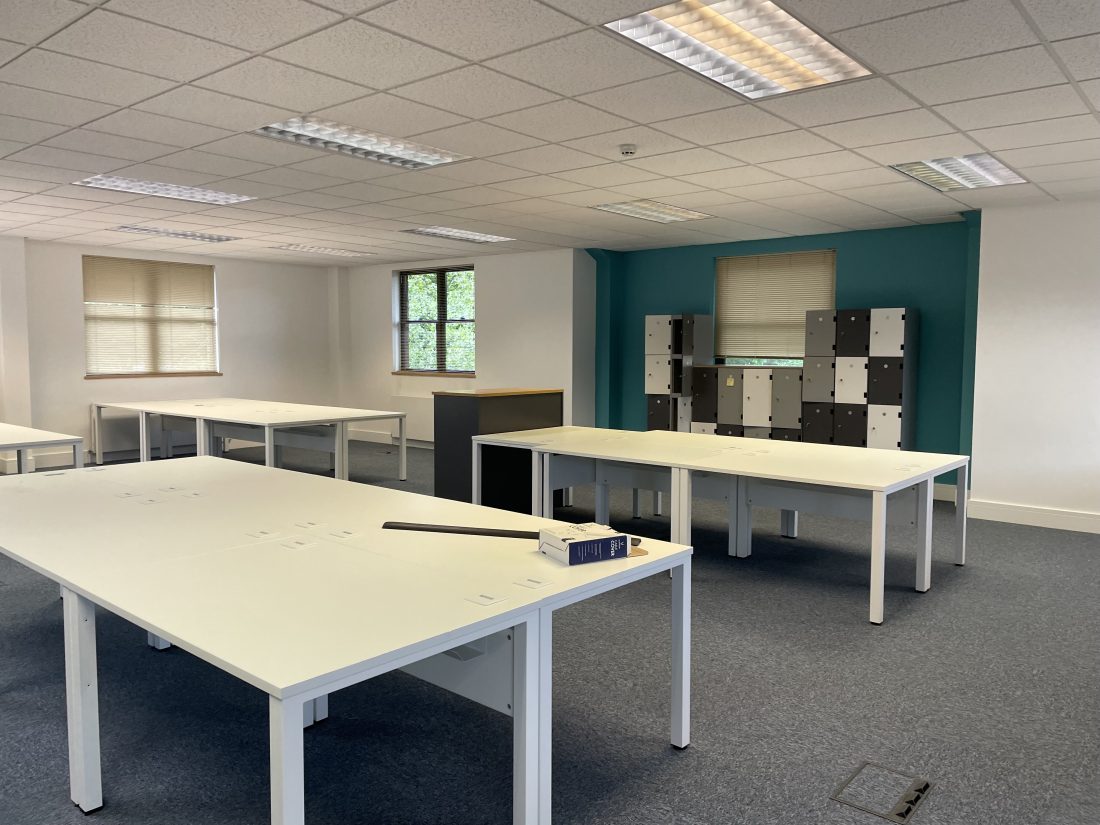
Understanding your dilapidation liabilities is essential for any commercial tenant preparing for the end of a lease. This clear and practical guide explains how Tenant's can make their own assessments from reviewing their obligations in the lease.
In this article, we look at the risks associated with tenant alterations in commercial buildings and how professional technical oversight helps protect landlords, buildings and long-term asset value.

Sustainability is no longer just a buzzword in commercial property. Across the UK, environmental performance is becoming a key consideration for landlords, investors and occupiers alike. One of the clearest signs of this shift is the growing use of green clauses in commercial leases.
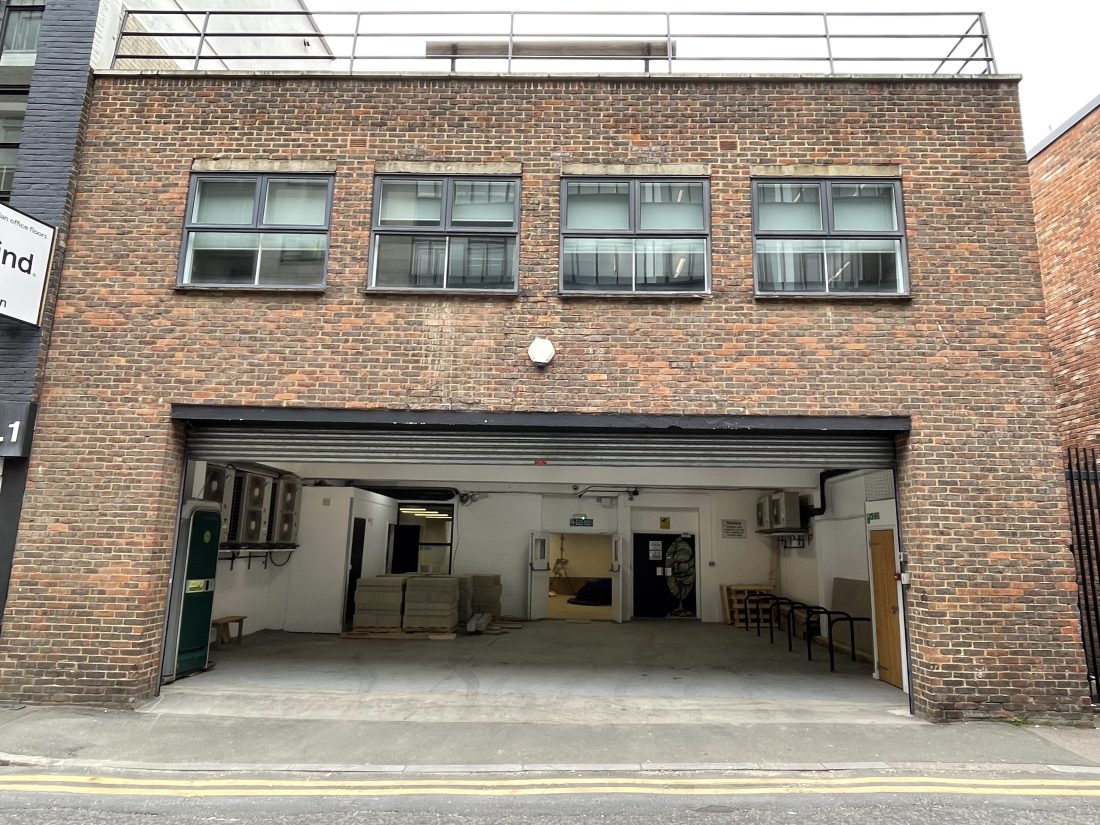
A practical guide to Schedules of Dilapidations, answering the five questions landlords and tenants ask most when approaching lease expiry.
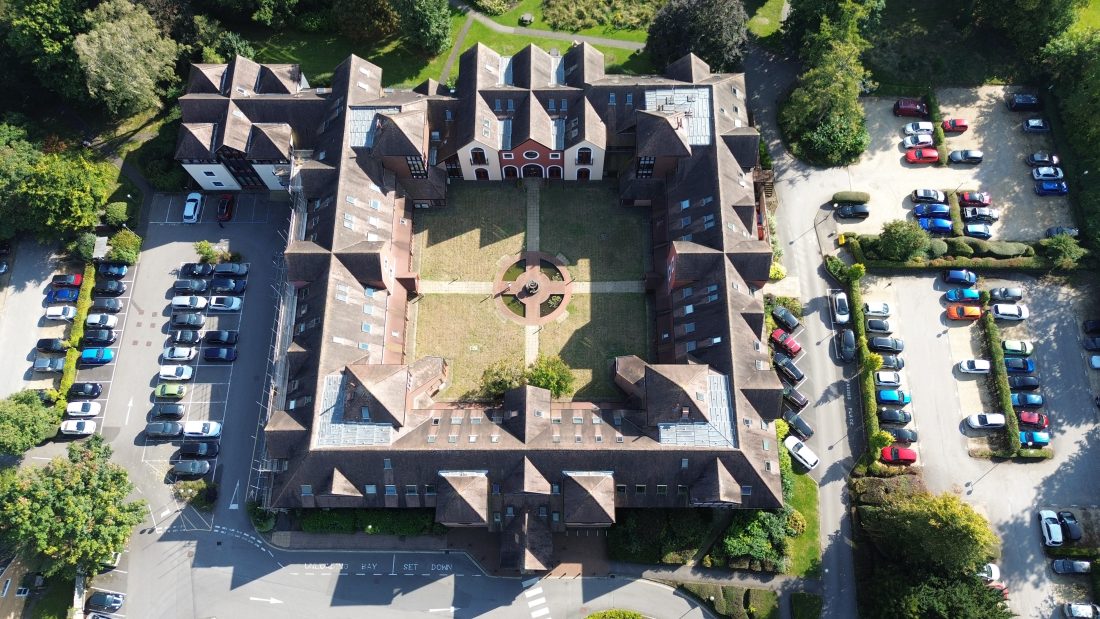
In this article we explain how commercial building consultancies structure and work out their pricing for carrying out commercial building surveys in England.

Technology is transforming building surveying, ushering the profession into a new era. Modern tools such as drones, 3D scanning and digital twins are reshaping how surveyors inspect, record and manage buildings. What once relied on tape measures, ladders and paper reports is now supported by high-precision digital data, delivering safer, faster and more accurate inspections. Yet while technology is driving impressive change, it doesn’t replace the surveyor’s expertise, it strengthens it.

Sustainability is no longer optional in commercial property. With the UK’s Net Zero targets and investor demand for ESG-compliant assets, landlords face growing pressure to upgrade their buildings. In this article, the Bressummer A.R.K team explore how to future-proof commercial buildings to remain compliant, competitive and attractive to tenants, while also protecting asset value in an evolving regulatory landscape.

A Schedule of Condition is one of the most powerful tools a tenant can use to manage risk in a commercial lease. By documenting the state of a property at the outset, tenants can prevent being unfairly held liable for pre-existing issues. In this blog, the Bressummer A.R.K team explain what a Schedule of Condition is, why it matters and how it can save tenants thousands of pounds in dilapidations claims.
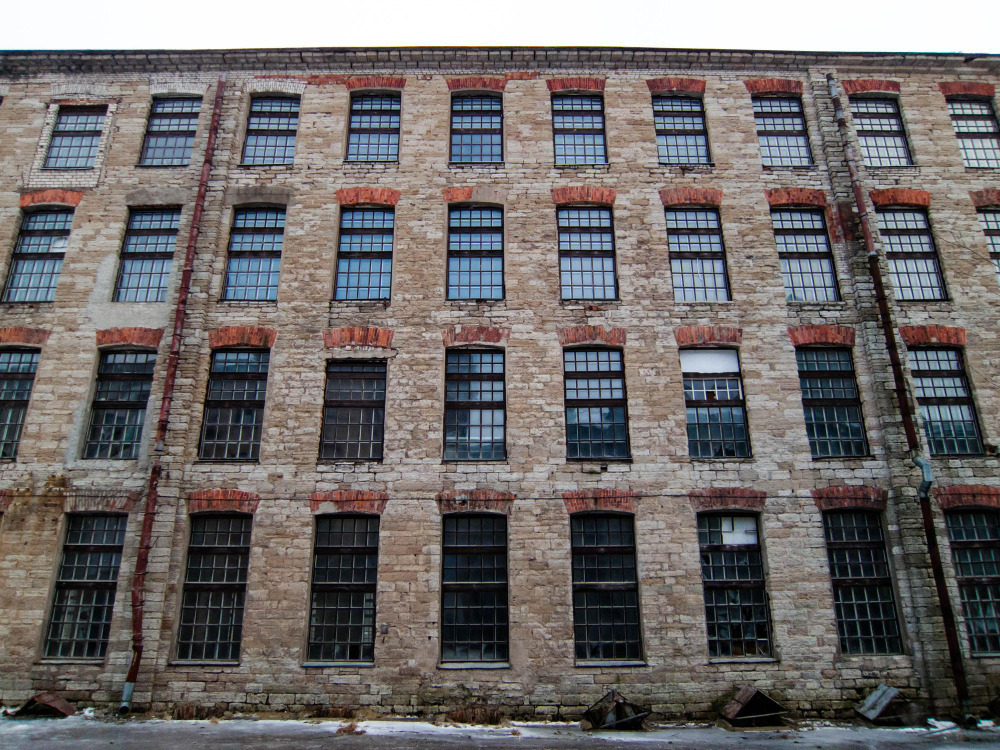
Dilapidation claims are a routine part of commercial property management, but they are also one of the most common sources of disputes between landlords and tenants. Many landlords weaken their position by making avoidable mistakes, from overestimating claims to failing to prepare evidence. In this blog, the Bressummer A.R.K team outline the most frequent errors that we see landlords make and explain how to avoid them, ensuring smoother negotiations and stronger recovery of costs.
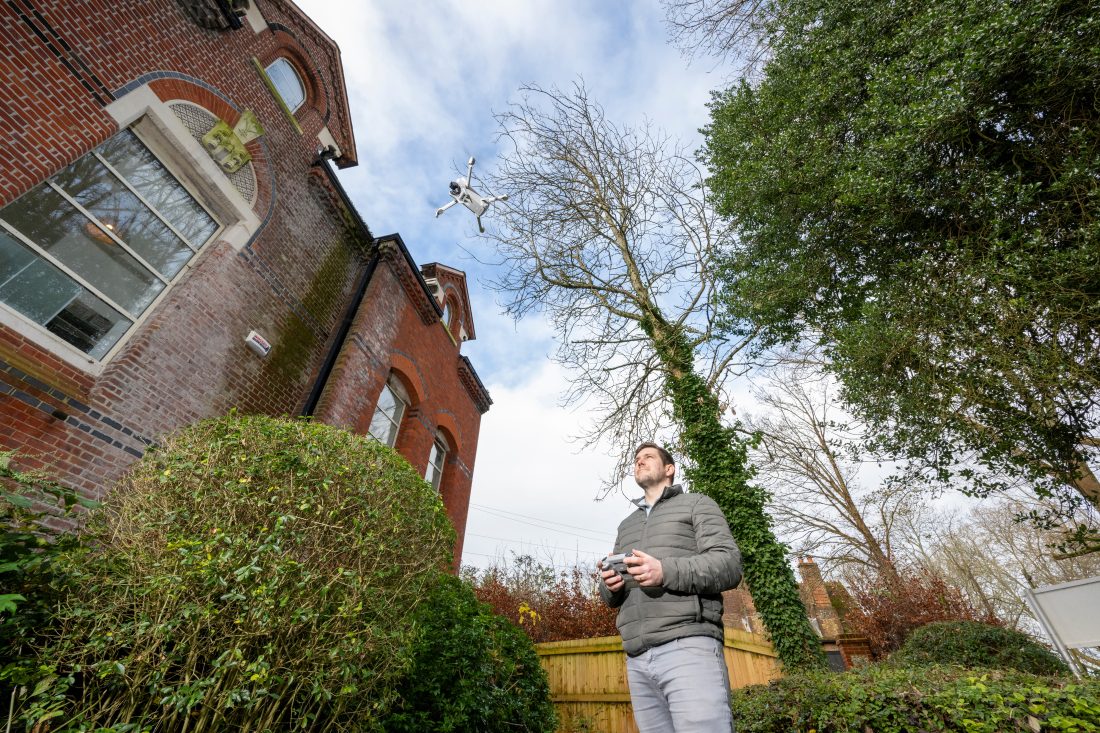
Signing a commercial lease is one of the biggest commitments a business will make, but it’s often rushed through under pressure to secure the right premises. This blog provides tenants with a practical, step-by-step checklist before signing, highlighting responsibilities, financial risks, and essential documents. With careful preparation and expert advice, tenants can avoid costly surprises and ensure their lease supports their long-term business goals.
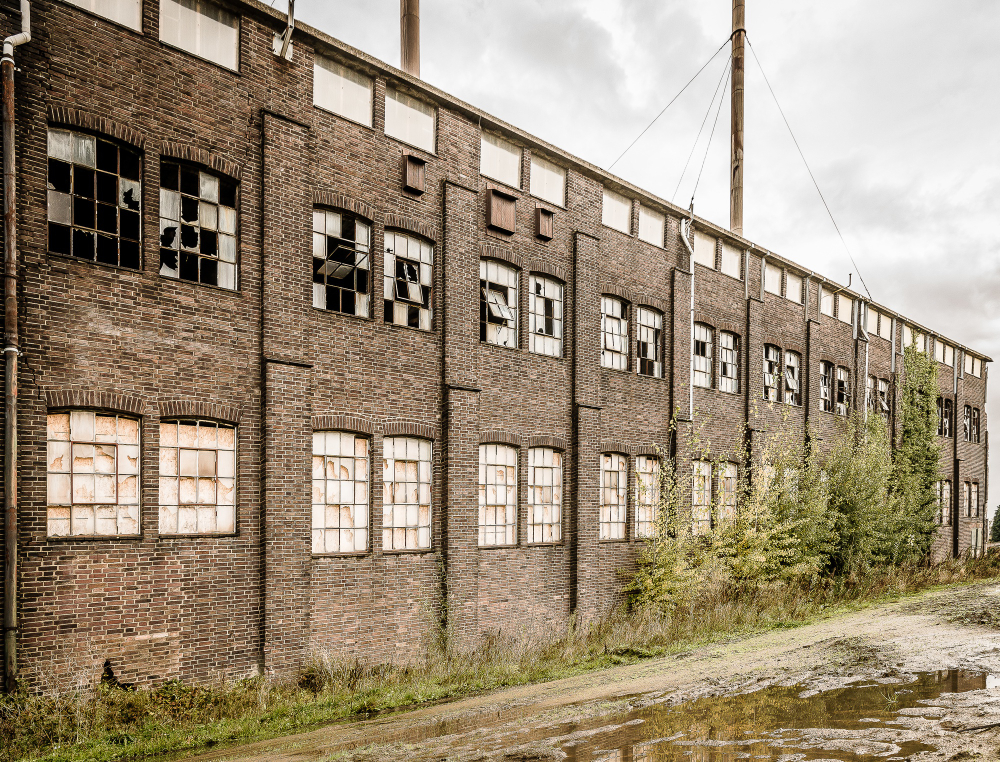
For many tenants, dilapidations is one of the most confusing, and costly, parts of leasing a building. Put simply, dilapidations refer to the repairs and reinstatement works that a tenant must complete under their lease obligations. Understanding the meaning of dilapidations early on can help you avoid unexpected bills, disputes with your landlord and unnecessary stress when your lease comes to an end.
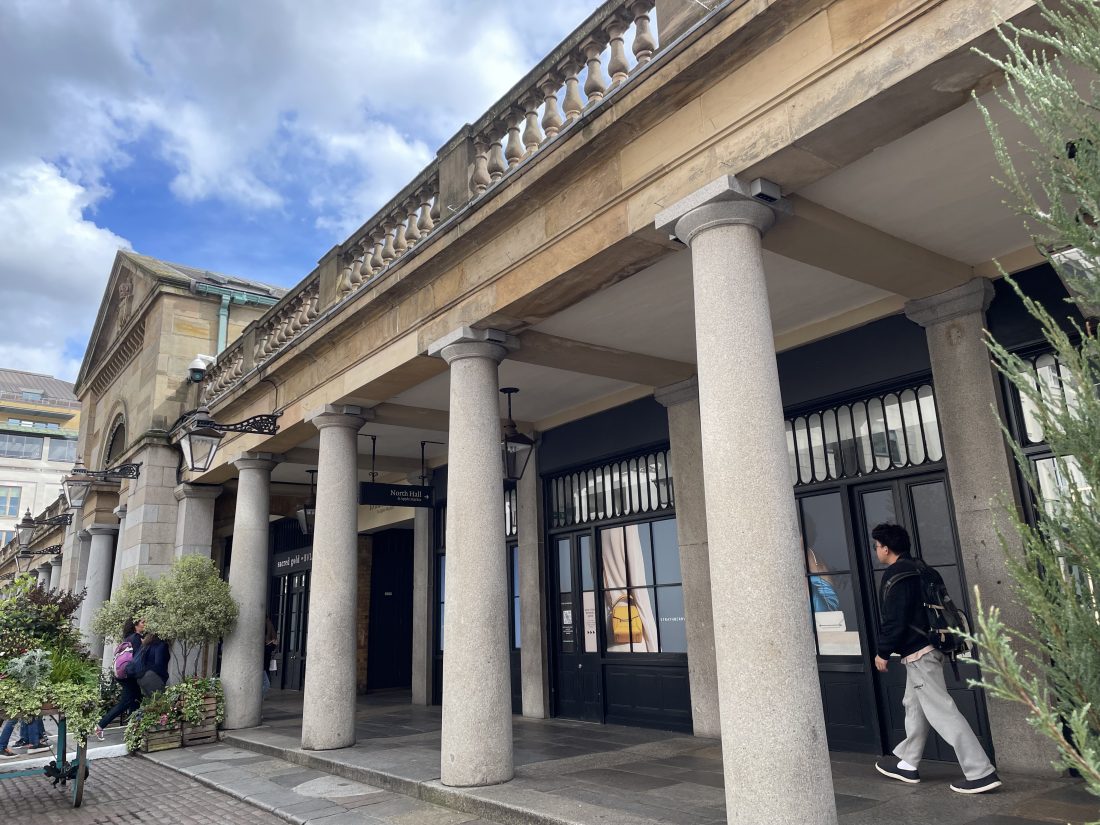
Who Pays for a Dilapidations Survey? A Guide for Commercial Landlords and Tenants. This article explains the typical lease clauses that allow surveyor costs to be claimed, why they exist, and what landlords can do to benefit from them.
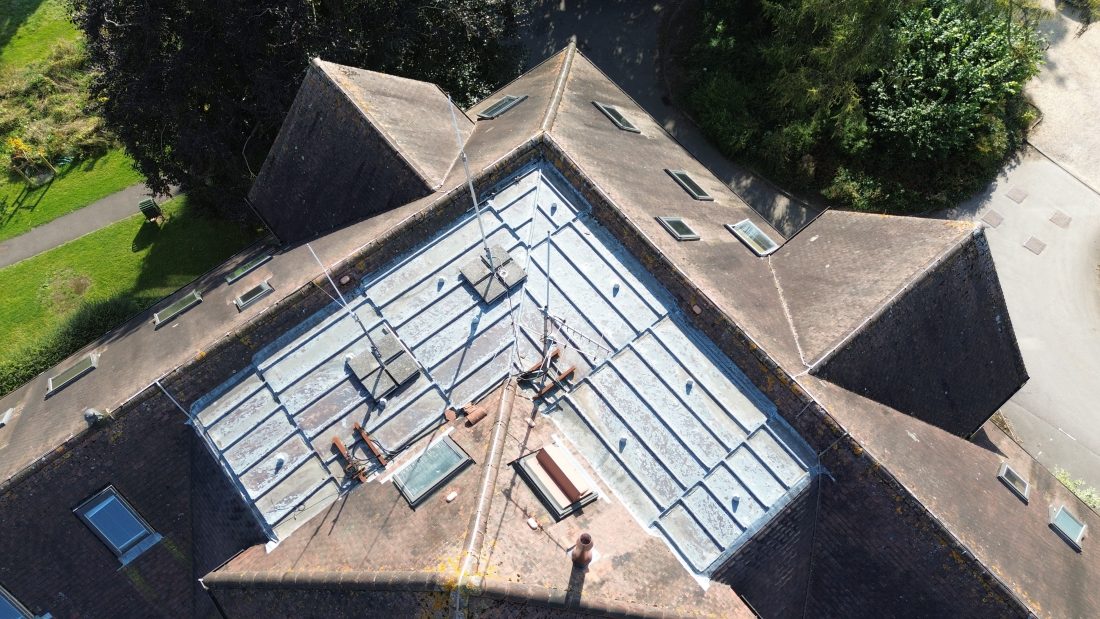
In this blog, we explain what a PPM Survey involves, why it is essential, and how it has already helped organisations like Test Valley Borough Council protect their property assets.
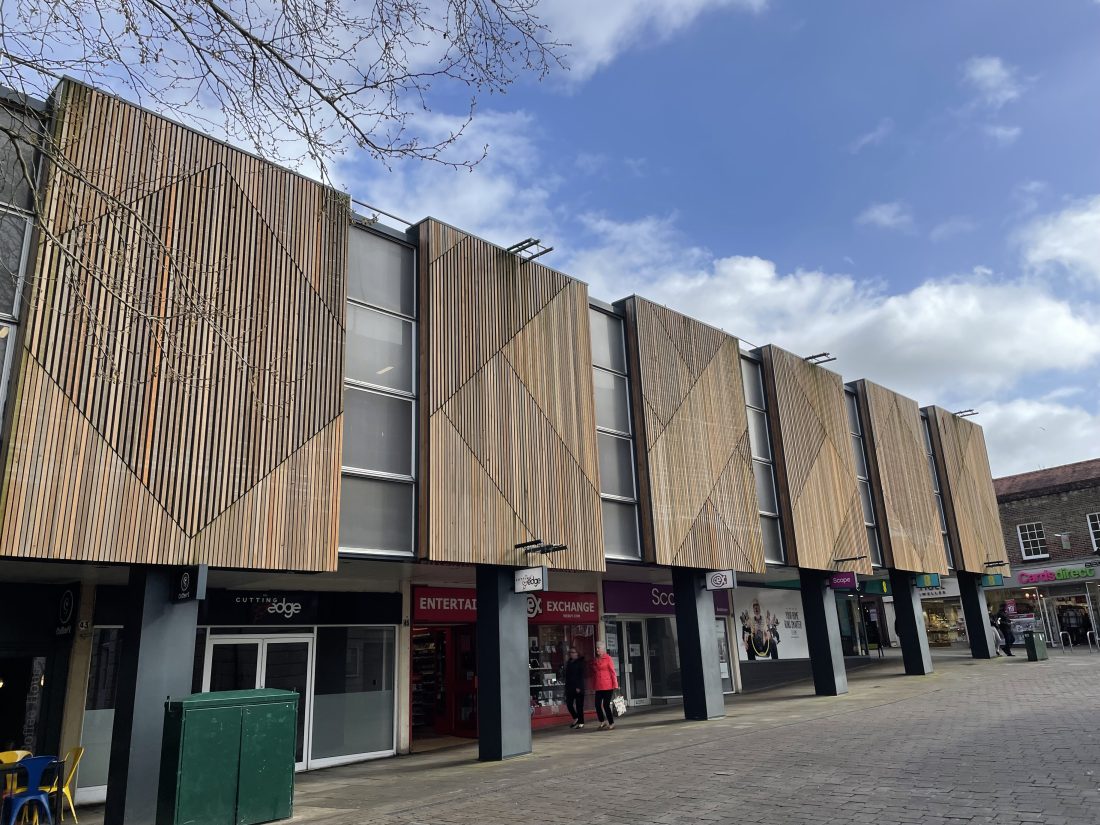
When buying or leasing a commercial property, it is easy to get caught up in the location, potential returns, and how quickly you can get the deal done. But one of the most important steps in protecting your investment is often overlooked — A Commercial Building Survey, also known as Technical Due Diligence or TDD.
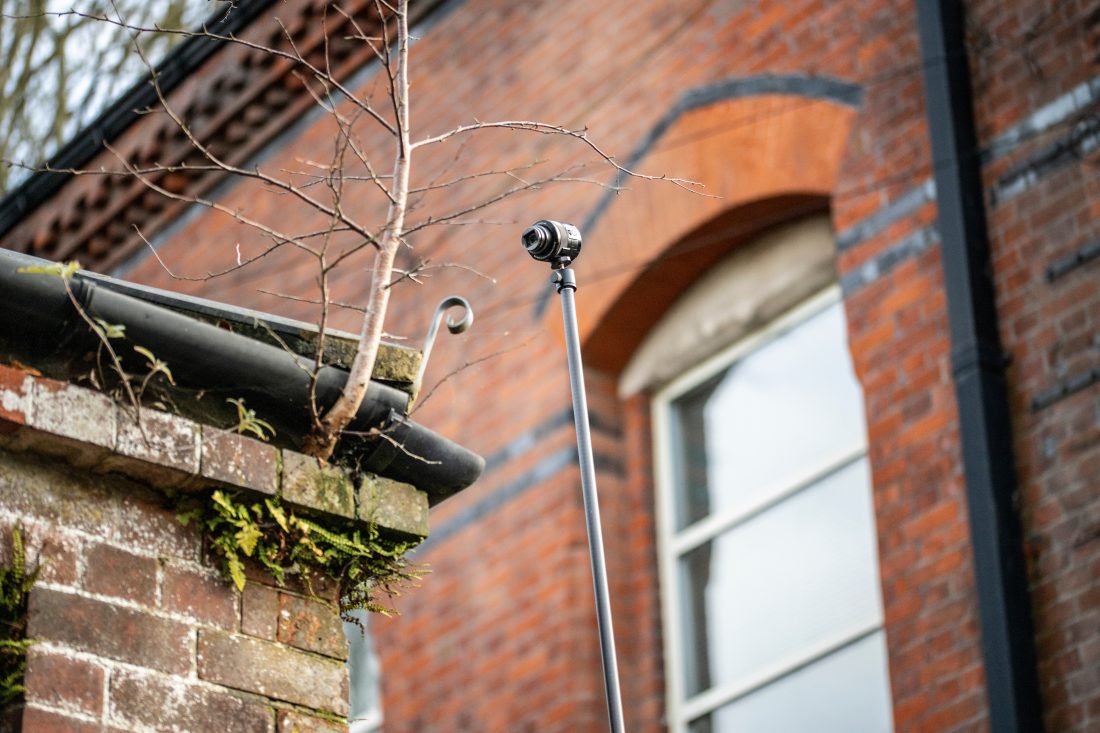
When delving into the intricacies of commercial real estate, one document that stands out is the Schedule of Condition (SOC). Think of it as a detailed 'snapshot' of a property’s current state, similar to an 'inventory' list for a rental car, capturing all existing dents and scratches before driving off the lot. This snapshot helps prevent disputes about who caused what damage later on.
At Bressummer ARK Ltd., we believe that business success should go hand in hand with making a positive impact.