Insight
It’s important, in order for us to understand your requirements from the outset in order to give the best commercial building consultancy advice we can.
Enquire
Technology is transforming building surveying, ushering the profession into a new era. Modern tools such as drones, 3D scanning and digital twins are reshaping how surveyors inspect, record and manage buildings. What once relied on tape measures, ladders and paper reports is now supported by high-precision digital data, delivering safer, faster and more accurate inspections. Yet while technology is driving impressive change, it doesn’t replace the surveyor’s expertise, it strengthens it.
The rise of drones: safer access and richer detail
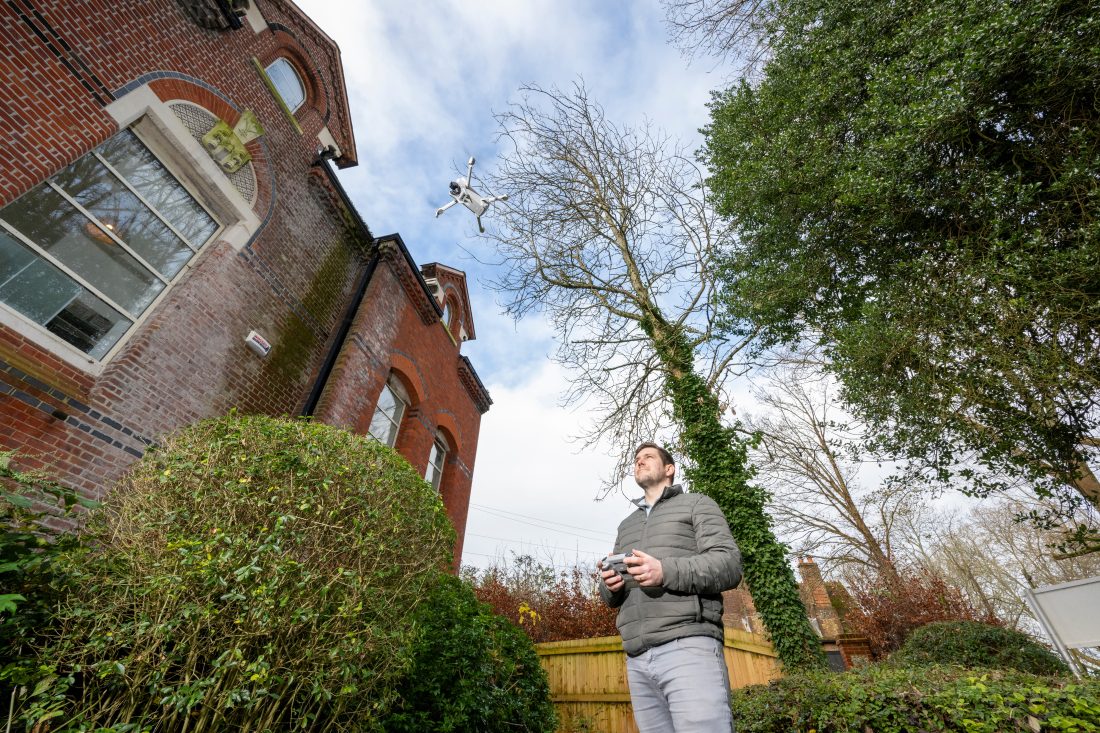
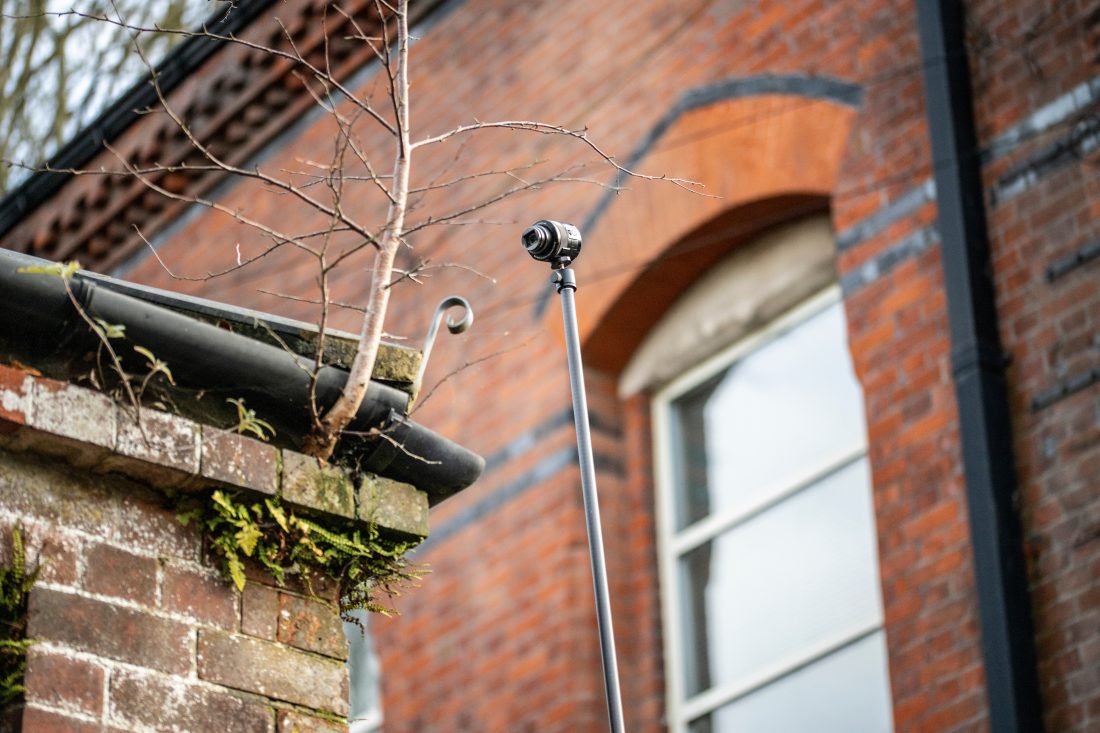
Drones have rapidly become one of the most valuable additions to a surveyor’s toolkit. Instead of relying on scaffolding or mechanical access equipment, surveyors can now inspect roofs, façades and hard-to-reach structures safely from the ground. Drones capture high-resolution photography and video, allowing surveyors to identify defects, drainage issues or wear and tear that would otherwise be difficult or expensive to access.
For clients, the benefits are clear. Inspections take less time, significantly reduce health and safety risks and remove the need for costly access arrangements. One landlord of a large warehouse, for example, commissioned a drone survey and discovered early signs of roof deterioration. Because the issue was spotted before water ingress occurred, they avoided extensive remedial work and a considerable repair bill.
Laser-based 3D scanning is another technology changing the face of surveying. These scanners capture millions of data points to create highly accurate digital models of buildings, producing measurements within millimetres. This level of precision has transformed how surveyors record building dimensions, layouts and conditions.
The speed of data capture is a major advantage. Large or complex sites can be surveyed far more quickly than through traditional methods, and the resulting digital model can be used repeatedly by architects, contractors and surveyors without multiple site visits. In one office refurbishment project, 3D scanning provided the design team with an exact model of the floor plate, allowing them to plan works confidently and efficiently from the outset.


Digital twins represent the most forward-looking technological shift. Unlike a static 3D model, a digital twin acts as a living digital replica of a building, combining dimensional data with real-time information such as energy use, occupancy patterns and environmental performance.
This opens the door to highly informed decision-making. Building owners can model refurbishment options, predict maintenance requirements before problems arise and monitor sustainability performance over time. While digital twins are still emerging in the commercial property sector, they are expected to become a powerful asset management tool, especially for landlords with larger portfolios.
Despite these advances, technology cannot substitute the expertise of a professional surveyor. Tools can gather data, but only experienced surveyors can interpret that information within the context of leases, legal responsibilities and practical repairs. They assess material condition, identify compliance risks, estimate costs and advise clients during negotiations such as dilapidations disputes.
Technology strengthens these skills by providing better evidence, richer insight and improved efficiency, but crucially it doesn’t replace the judgment and experience needed to understand what the data actually means for landlords and tenants.


Adopting new technology is not without its hurdles. High-quality equipment and software require investment and surveyors must manage increasingly large datasets securely and effectively. Training is essential too, as professionals must stay up to date with evolving tools and techniques. In the case of drones, operators must also comply with Civil Aviation Authority (CAA) regulations.
However, when balanced against the gains in safety, accuracy and client value, these challenges are more than manageable, and increasingly seen as essential steps for modern surveying practices.
Technology is transforming the building surveying profession, creating safer, faster and more precise ways of assessing and managing buildings. For landlords and tenants, this means clearer insights, earlier problem detection and better-informed decisions about property assets.
But the heart of surveying remains the same: skilled professionals providing expert guidance. The future lies in combining that human expertise with cutting-edge technology to deliver clarity, confidence and maximum value.
Are you looking for a techy-savvy commercial building surveyor? Contact Bressummer A.R.K today to discuss your requirements
They capture aerial images of roofs and façades, allowing safe, cost-effective inspections.
It uses laser scanners to create precise digital models of buildings, aiding in design, refurbishment, and measurement.
A live, digital replica of a building that integrates real-time data to support smarter management.
No. Technology enhances surveying by providing richer data, but interpretation and professional judgment remain essential.
It’s important, in order for us to understand your requirements from the outset in order to give the best commercial building consultancy advice we can.
Enquire
Commercial property transactions often appear straightforward on the surface: agree terms, instruct solicitors, sign documents and complete. In reality, they carry significant technical and financial risk. Hidden defects, compliance issues and unclear repair obligations can quickly turn a good deal into an expensive mistake.
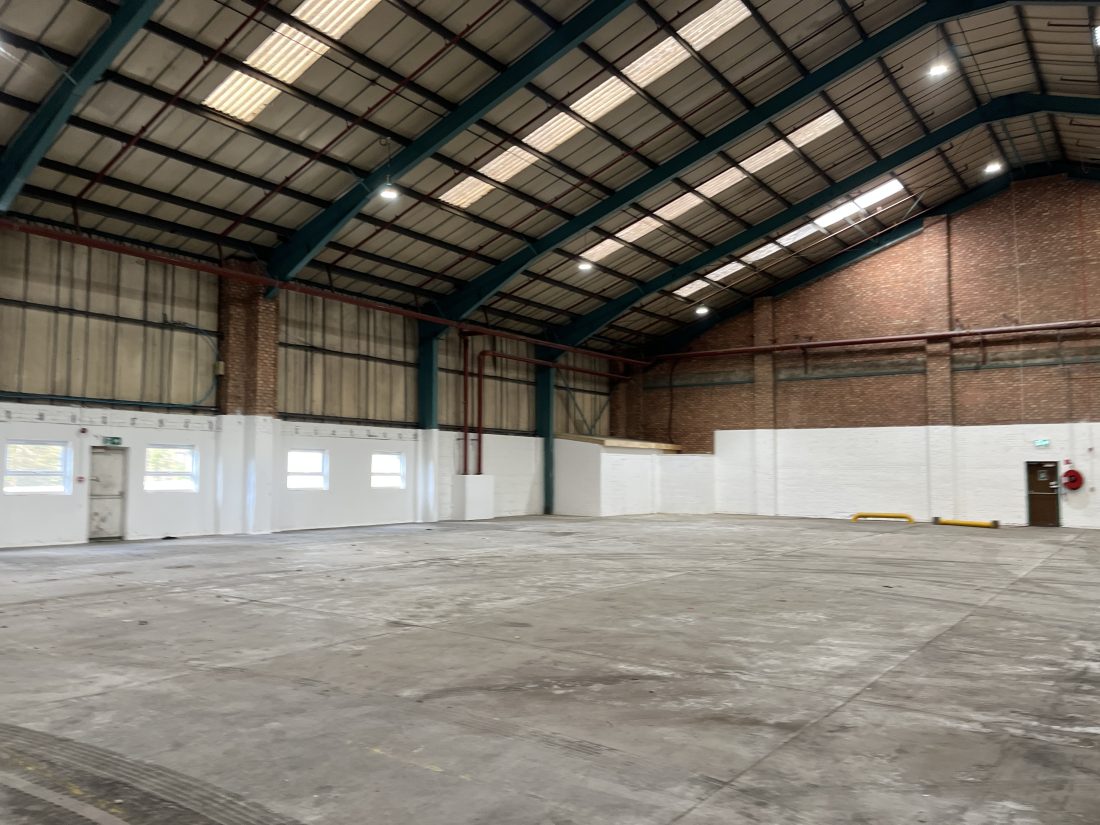
Industrial warehouses often appear simple, but many of the most costly issues remain hidden until a lease ends, a building is sold, or operations change. This article explains what surveyors look for in industrial warehouses — from roofs and floors to external areas and fire safety — and why understanding condition early can help reduce risk, cost and disruption.

We’re delighted to welcome Steve to the Bressummer A.R.K team as our new Associate Director. Here’s a little more about him…

Browse the questions we tend to get asked most around how we operate and our company.
Browse the questions we tend to get asked most around Dilapidation matters.
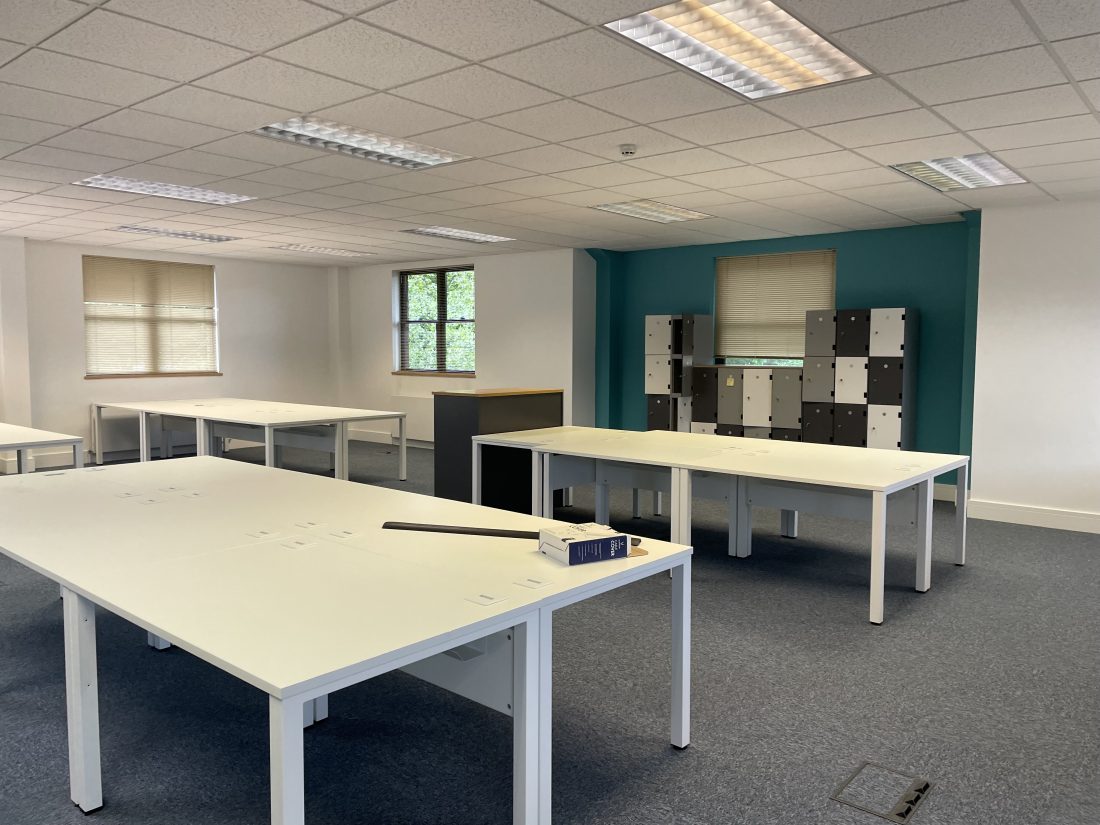
Understanding your dilapidation liabilities is essential for any commercial tenant preparing for the end of a lease. This clear and practical guide explains how Tenant's can make their own assessments from reviewing their obligations in the lease.
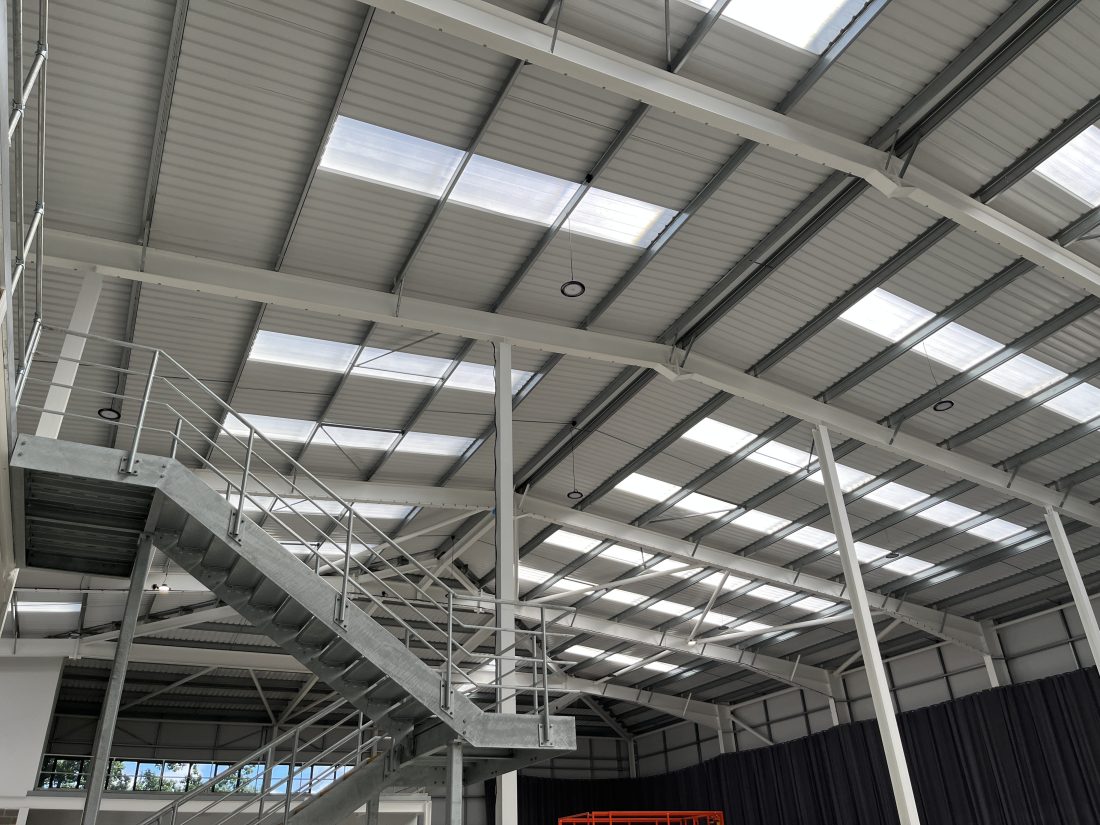
In this article, we look at the risks associated with tenant alterations in commercial buildings and how professional technical oversight helps protect landlords, buildings and long-term asset value.

Sustainability is no longer just a buzzword in commercial property. Across the UK, environmental performance is becoming a key consideration for landlords, investors and occupiers alike. One of the clearest signs of this shift is the growing use of green clauses in commercial leases.
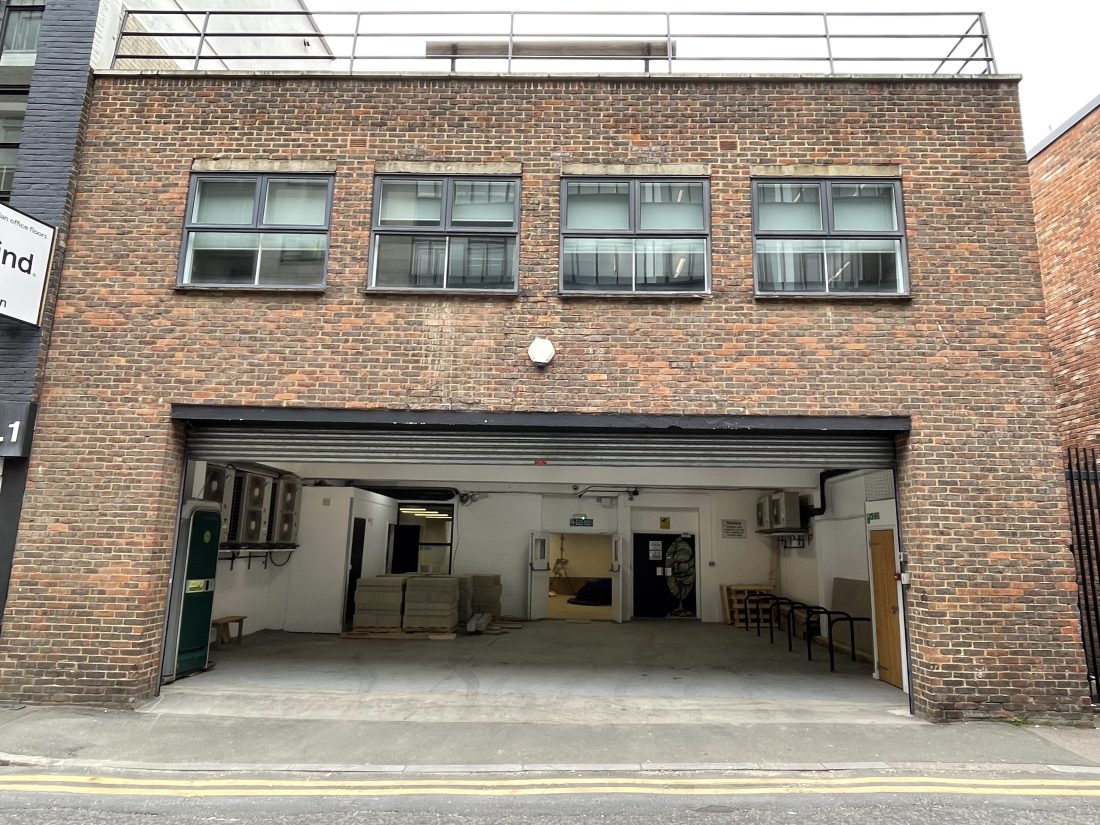
A practical guide to Schedules of Dilapidations, answering the five questions landlords and tenants ask most when approaching lease expiry.
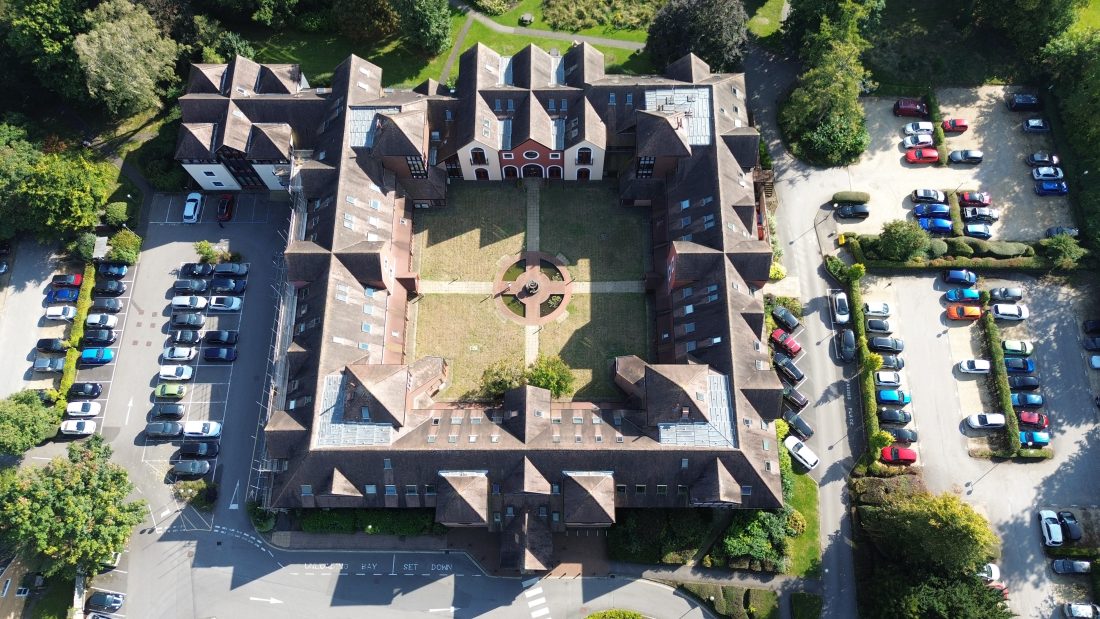
In this article we explain how commercial building consultancies structure and work out their pricing for carrying out commercial building surveys in England.

Sustainability is no longer optional in commercial property. With the UK’s Net Zero targets and investor demand for ESG-compliant assets, landlords face growing pressure to upgrade their buildings. In this article, the Bressummer A.R.K team explore how to future-proof commercial buildings to remain compliant, competitive and attractive to tenants, while also protecting asset value in an evolving regulatory landscape.

A Schedule of Condition is one of the most powerful tools a tenant can use to manage risk in a commercial lease. By documenting the state of a property at the outset, tenants can prevent being unfairly held liable for pre-existing issues. In this blog, the Bressummer A.R.K team explain what a Schedule of Condition is, why it matters and how it can save tenants thousands of pounds in dilapidations claims.
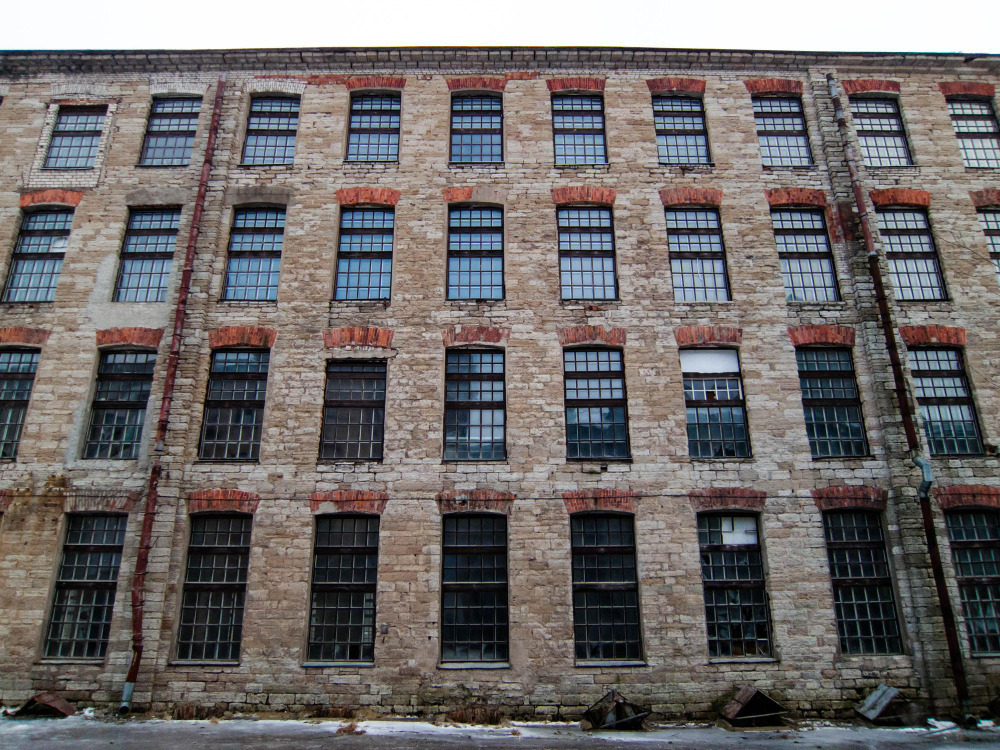
Dilapidation claims are a routine part of commercial property management, but they are also one of the most common sources of disputes between landlords and tenants. Many landlords weaken their position by making avoidable mistakes, from overestimating claims to failing to prepare evidence. In this blog, the Bressummer A.R.K team outline the most frequent errors that we see landlords make and explain how to avoid them, ensuring smoother negotiations and stronger recovery of costs.
Signing a commercial lease is one of the biggest commitments a business will make, but it’s often rushed through under pressure to secure the right premises. This blog provides tenants with a practical, step-by-step checklist before signing, highlighting responsibilities, financial risks, and essential documents. With careful preparation and expert advice, tenants can avoid costly surprises and ensure their lease supports their long-term business goals.
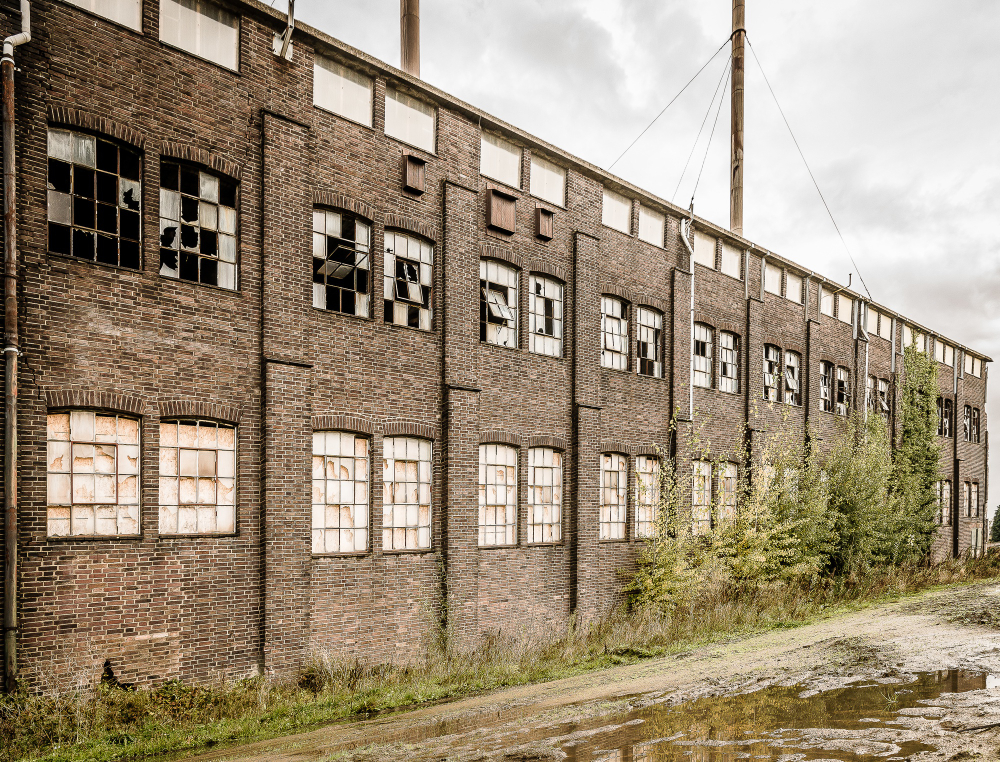
For many tenants, dilapidations is one of the most confusing, and costly, parts of leasing a building. Put simply, dilapidations refer to the repairs and reinstatement works that a tenant must complete under their lease obligations. Understanding the meaning of dilapidations early on can help you avoid unexpected bills, disputes with your landlord and unnecessary stress when your lease comes to an end.
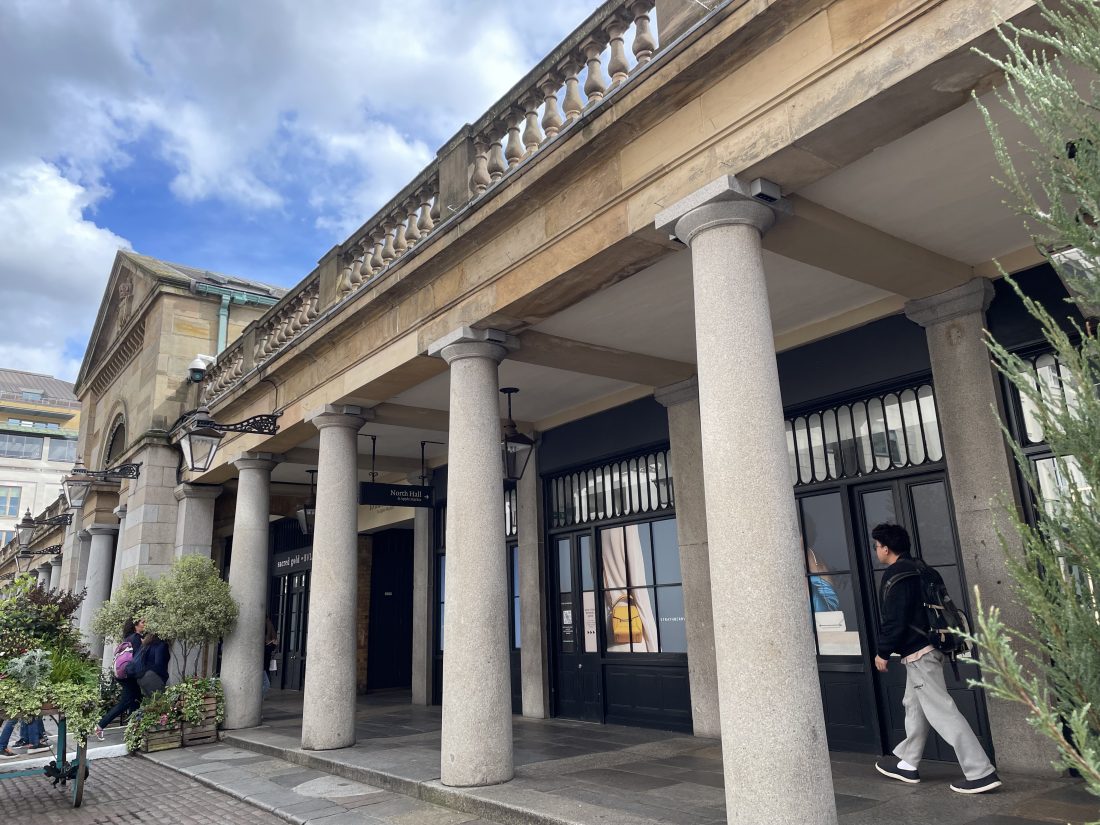
Who Pays for a Dilapidations Survey? A Guide for Commercial Landlords and Tenants. This article explains the typical lease clauses that allow surveyor costs to be claimed, why they exist, and what landlords can do to benefit from them.
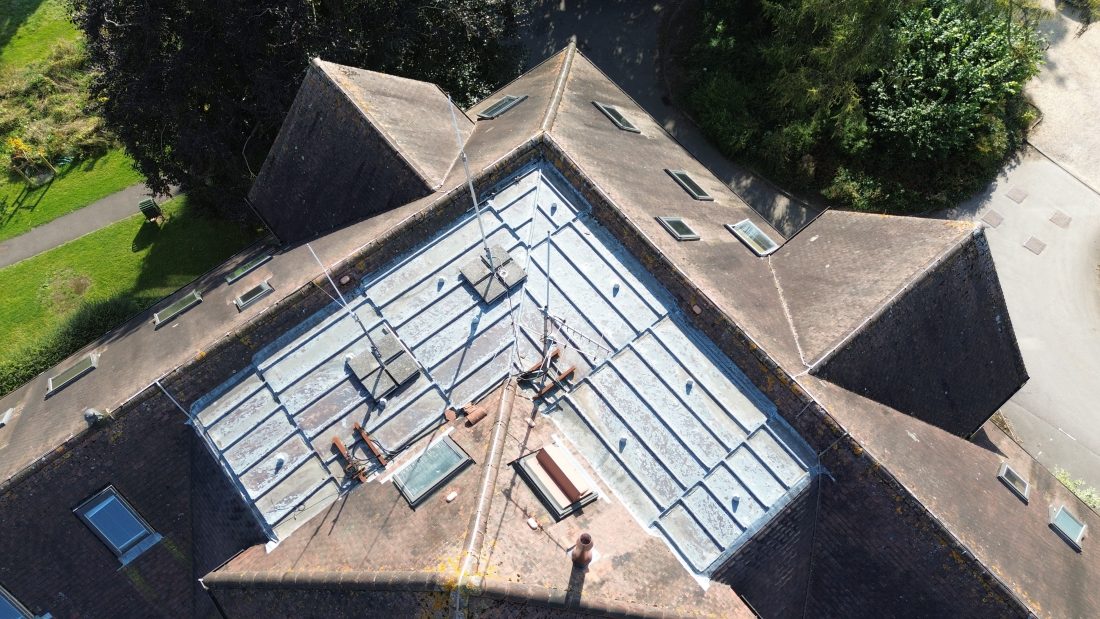
In this blog, we explain what a PPM Survey involves, why it is essential, and how it has already helped organisations like Test Valley Borough Council protect their property assets.
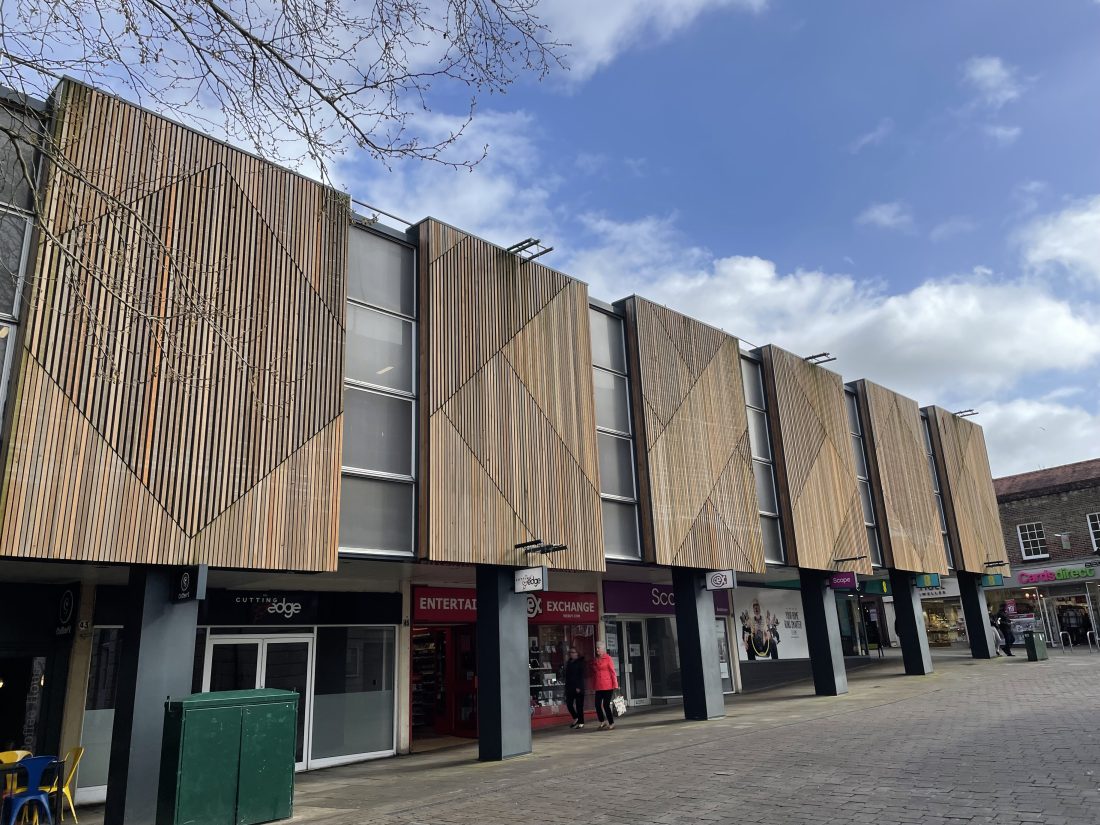
When buying or leasing a commercial property, it is easy to get caught up in the location, potential returns, and how quickly you can get the deal done. But one of the most important steps in protecting your investment is often overlooked — A Commercial Building Survey, also known as Technical Due Diligence or TDD.
When delving into the intricacies of commercial real estate, one document that stands out is the Schedule of Condition (SOC). Think of it as a detailed 'snapshot' of a property’s current state, similar to an 'inventory' list for a rental car, capturing all existing dents and scratches before driving off the lot. This snapshot helps prevent disputes about who caused what damage later on.

At Bressummer ARK Ltd., we believe that business success should go hand in hand with making a positive impact.