Insight
It’s important, in order for us to understand your requirements from the outset in order to give the best commercial building consultancy advice we can.
Enquire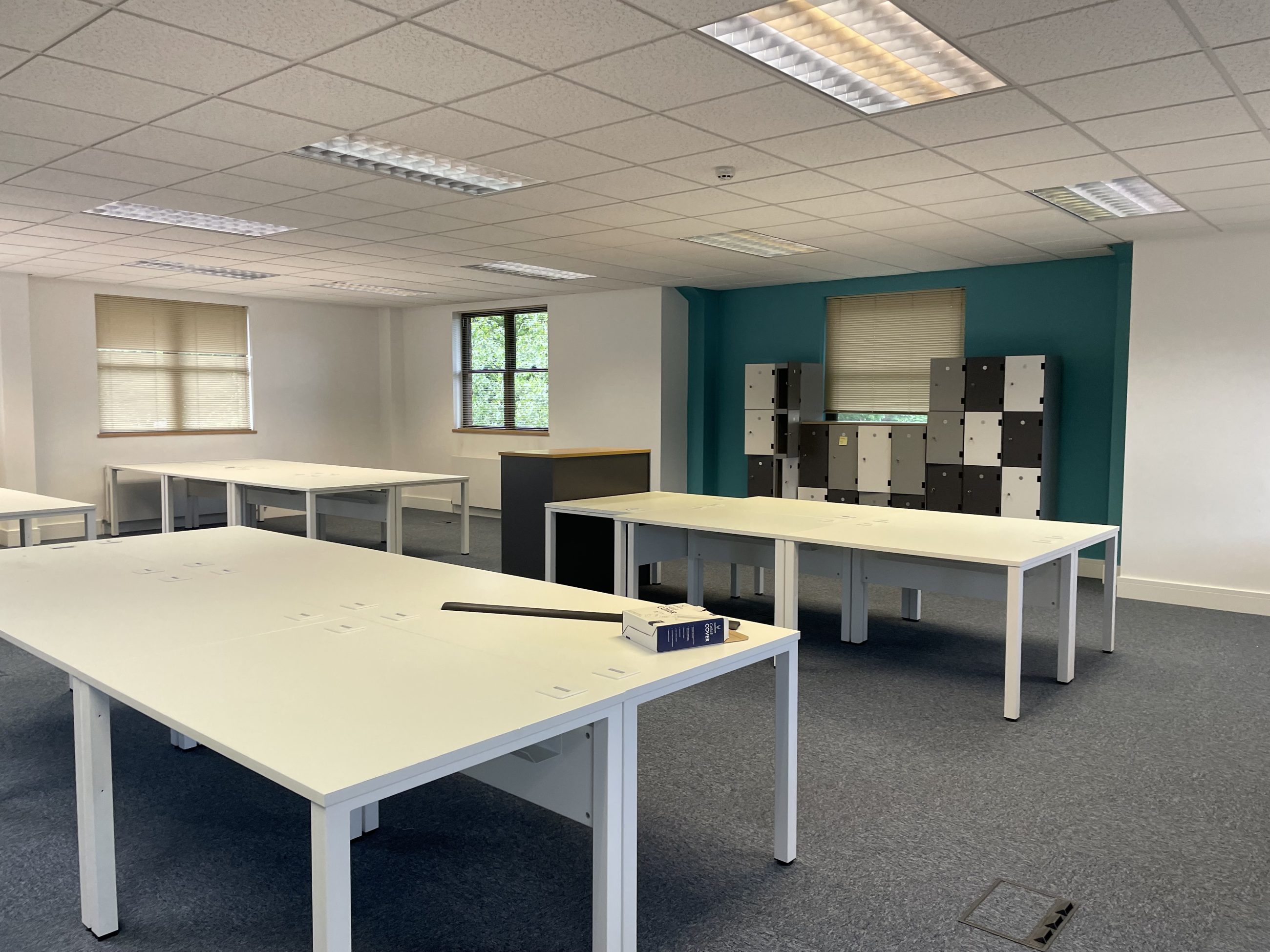
Understanding your dilapidation liabilities is essential for any commercial tenant preparing for the end of a lease. This clear and practical guide explains how Tenant's can make their own assessments from reviewing their obligations in the lease.

Frist things first! What are dilapidations schedules?
A Schedule of Dilapidations is a formal report that sets out a tenant’s obligations to repair, maintain, and reinstate a commercial property under the terms of their lease. It identifies any breaches, details the required remedial works, and provides an estimated cost. For landlords, it supports recovery of losses. For tenants, it clearly sets out potential liabilities.
You can read more about this in our other blog post by clicking on the link here – Top 5 Questions We Get About Schedules of Dilapidations
The golden question… In our opinion this is the most proactive way a tenant can prevent a nasty surprise when the landlord comes to serve their dilapidations claim and allows budgeting or planning ahead of time.
So how can you determine what may be included in a dilapidations claim? It all comes down to what is in the Lease and this should be your first port of call.
The lease is a contractually binding document and will primarily determine what the Landlord can include in any dilapidations claim they wish to serve on the tenant. Whilst there are many clauses and wording in the lease that has no bearing whatsoever on dilapidations there are several key ones to look out for.
We will look at these individually in the content that follows.
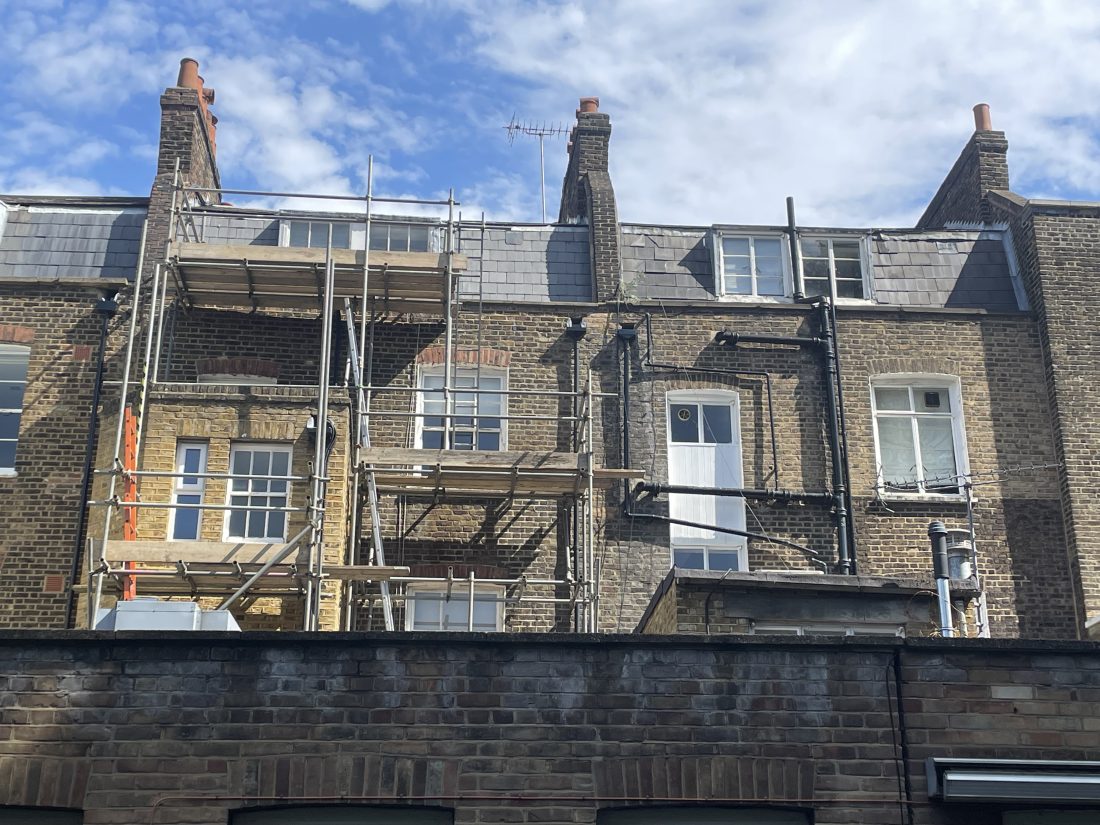
In our view this is the most fundamental thing to understand and to clarify first as it sets out the extent of the property that the tenant is responsible for under the lease terms. If you don’t understand what parts of the property a tenant is responsible for then you cannot accurately determine the extent of the dilapidations claim.
So how do you go about defining the premises or property?
Typically this is easy enough to determine by reading the lease and looking for a few key things.
In Full Repairing & Insuring (FRI) leases it is quite easy to determine the definition of the property as it is more often than not the whole property, including the structure, associated external areas and services.
Where it can differ is when a tenant is occupying a single floor in a wider multi-tenanted building which is known as an Internal Repairing & Insuring (IRI) lease. In these instances it is common for the tenant to only have responsibility of the internal parts with the landlord taking responsibility for the external fabric, structure and internal & external common areas (i.e: fire escapes or stairwells).
So knowing what you are responsible for under your lease is a fundamental starting point when assessing dilapidations.
Repairing covenants in modern leases tend to favour landlord’s and will typically not take into account the condition of the property before the tenant took it on.
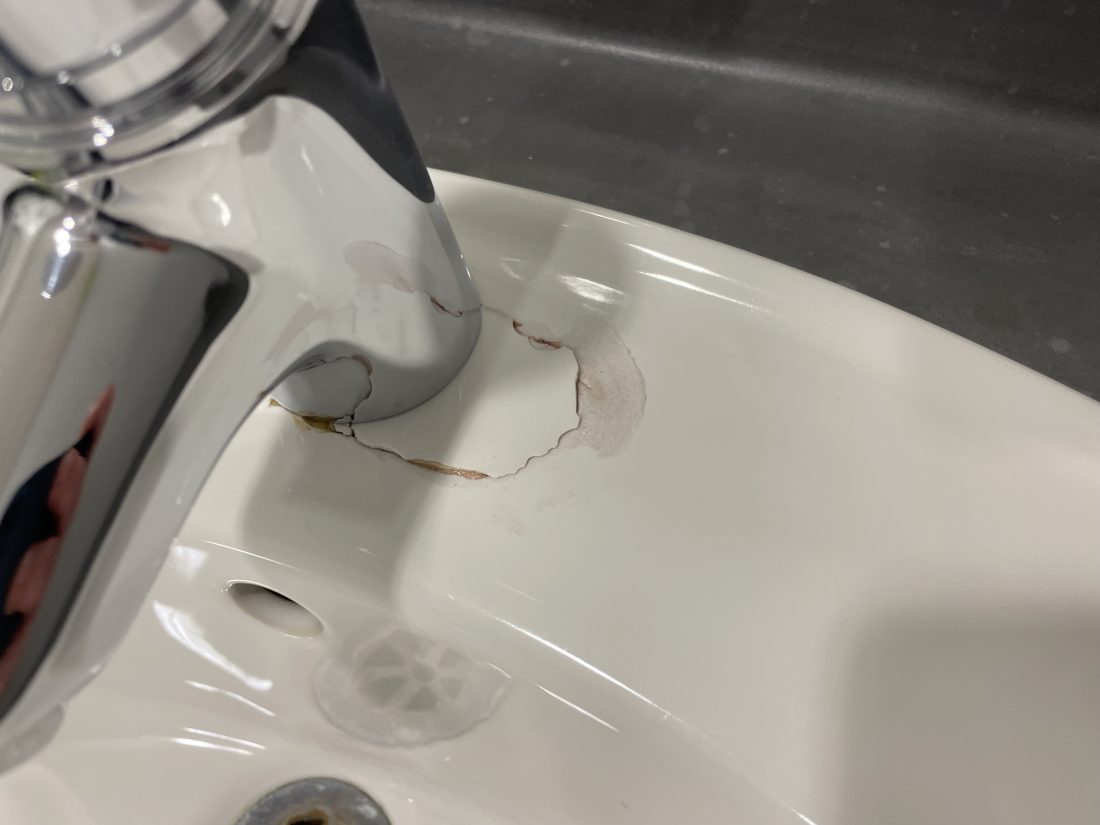
Lease clauses for repairing obligations will typically be found under the ‘Tenant’s Covenants’ section of the lease. These are usually short and sweet and will contain phrases such as “to keep the property in good and substantial repair”.
This is a catch all and makes no reference to the condition of the property before lease commencement. A simple scenario would be if there was a hole in the wall before lease commencement and the tenant signed the lease with the above repairing obligation then it would become their responsibility to fix or repair.
Sometimes onerous wording can be included which may make specific obligation to replace certain elements at lease end. For example some repair covenants may expressly state that the tenant must replace all carpets at lease end.
It is for this reason we advocate tenants to think carefully about the wording of these repairing covenants and whether a schedule of condition would be prudent to have commissioned and included in the lease documents and wording. If a schedule of condition is appended to the lease the the repair covenant wording above will have words tagged on the end such as this “….provided that the tenant shall not be responsible for putting the property in any better condition than evidenced in the schedule of condition”.
So you can see how important a schedule can be in protecting tenant’s commercial interests when it comes to dilapidations claims at lease end.
You can read more around schedules of conditions in our other article by clicking the button below.
The Value of a Schedule of Condition: Protecting Tenants from Costly Claims
These tend to be express covenants in leases and oblige the tenant to redecorate at certain points during the lease and at lease end.
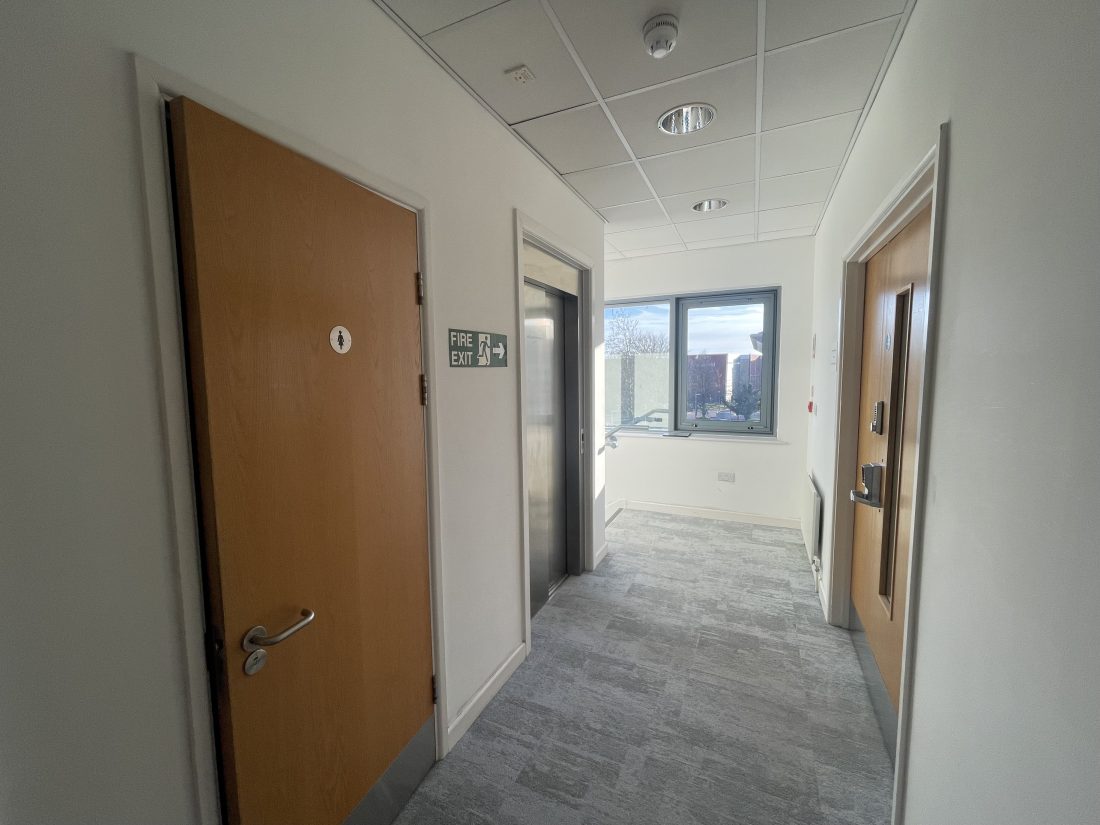
These covenants will oblige the tenant to redecorate the property in the lead up to lease end, usually in the last 12 or 6 months. Sometimes there will be wording which means the tenant does not have to redecorate more than once in a 12 month period also. These decoration clauses may also contain provisions on how the works must be conducted, usually within two coats paint and to a professional or good quality standard, meaning that slapping a bit of paint on as you give back the keys won’t cut it.
This will apply to all the previously painted elements of the premises, so externally think render, timber soffits & fascia boards and timber windows. Internally it is likely to include plastered or drylined walls, ceilings, skirting runs and internal doors.
What it doesn’t include is elements which have factory finished coatings, for example aluminium framed windows with a ionised or polyester powder coat would not be captured under a redecoration clause.
It is not common for these covenants to be limited by a schedule of condition but it can be agreed when negotiating the lease.
In our experience decoration costs form a large part of dilapidation claims mainly due to the extent of painted surfaces at any given property and the rising costs in labour and materials.
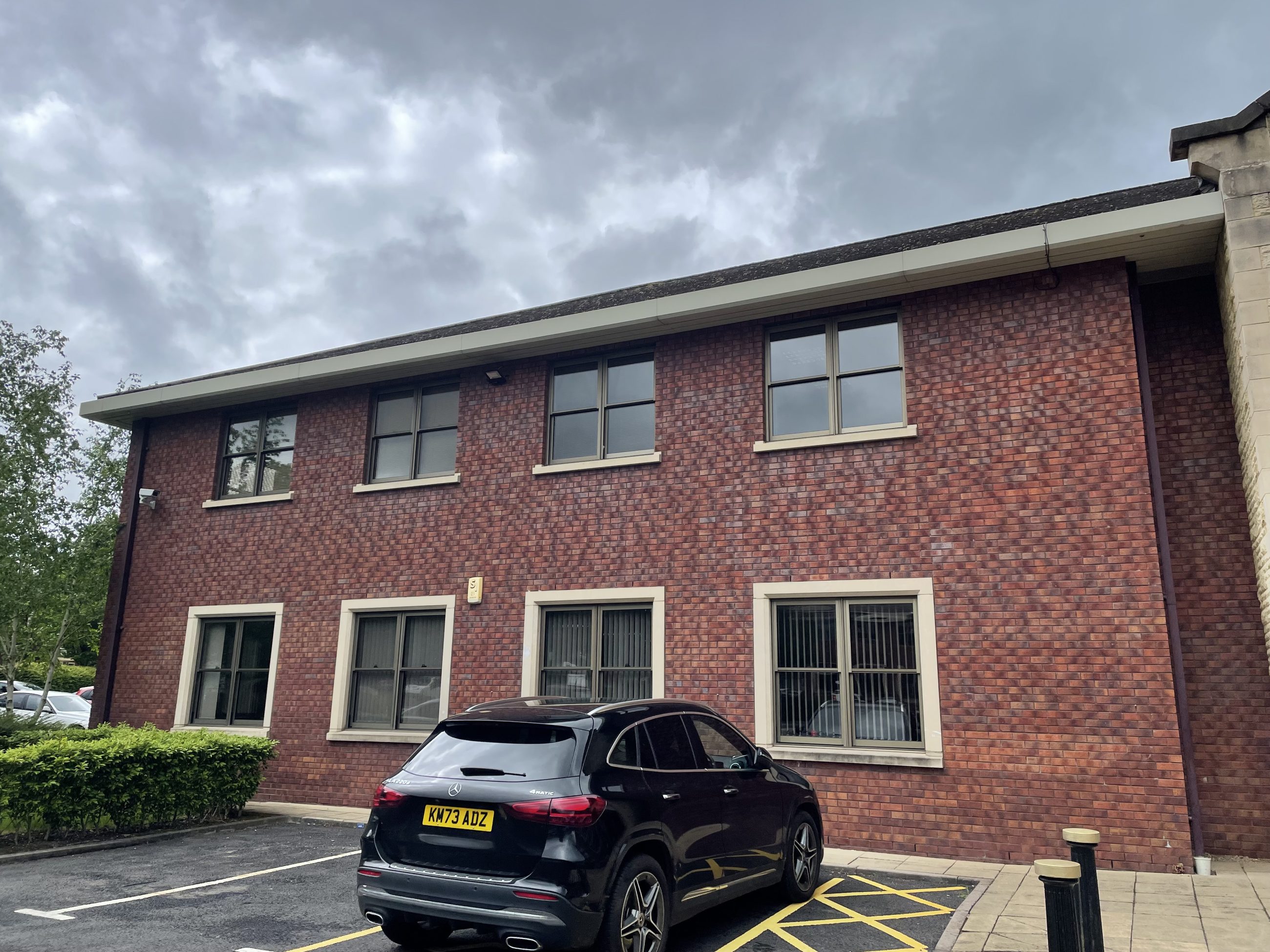
Reinstatement covenants will revolve around what the tenant must do to any alterations made at the property at lease end.
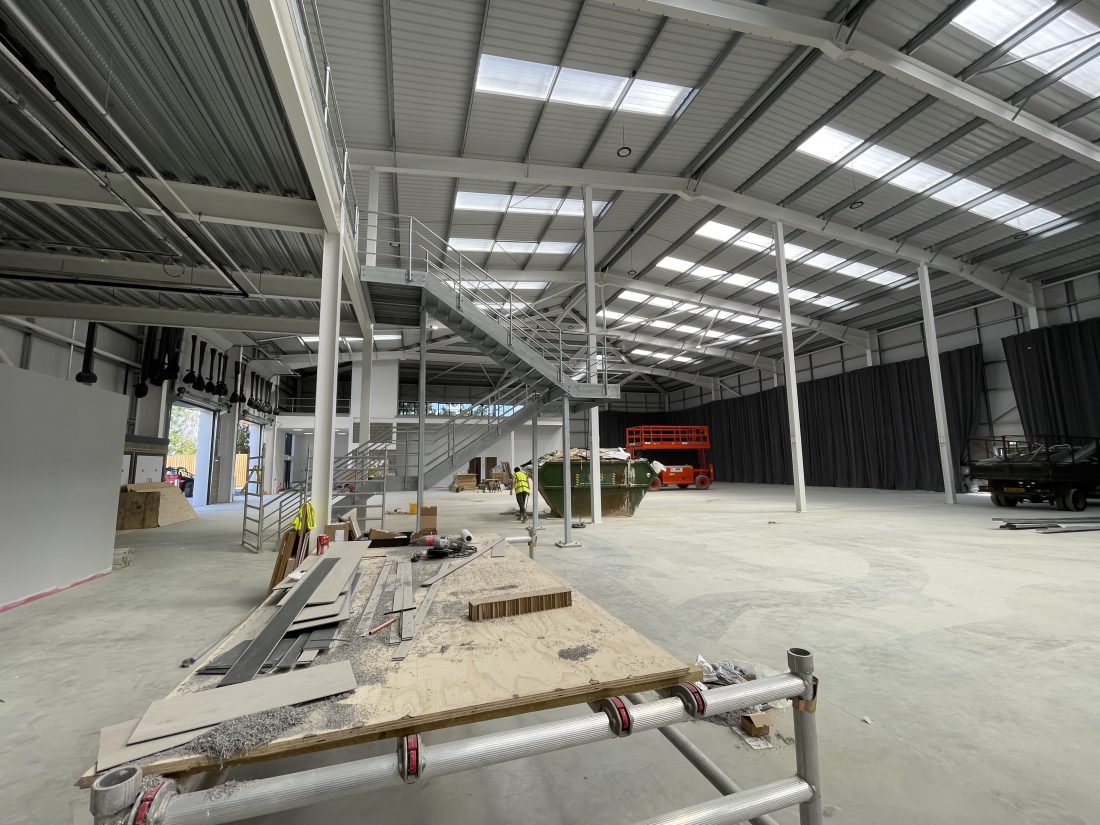
Modern leases usually have clauses which oblige tenant’s to remove their alterations made during the lease term, predominantly referring to their initial fit out of the space or any other modifications to the original layout.
By referring to licences for alterations and comparing original and current floor plans this can be determined.
In our experience this can lead to a very costly part of the dilapidations claim, especially if the tenant has fitted out a CAT A office with their own bespoke layout, branding and installations.
Crucially, the landlord may be obliged to give the tenant notice before lease end should they wish for alterations to be removed or ‘reinstated’, this is commonly six or three months before lease end. Should a landlord miss any notification period then the tenant can be let off the proverbial hook for extensive reinstatement works. We have argued this successfully when acting for some of our tenant clients, in dilapidation negotiations, saving tens to hundreds of thousands of pounds.
This will extend to building services also. For example if the layout of a floor is changing from a partitioned office space to an open plan office due to tenants removing their fit out then modification of systems such as fire alarms, air conditioning, heating and electrical distribution willing likely require attention.
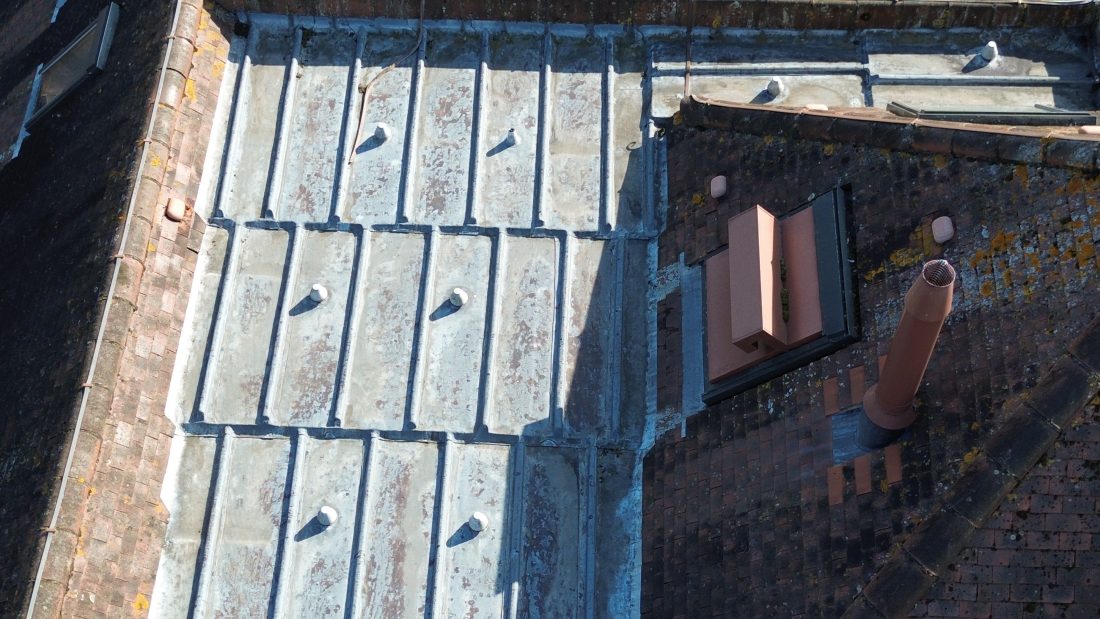
Effectively this is a catch all covenant and will state that the tenant must return the property to the landlord in accordance with the lease terms.
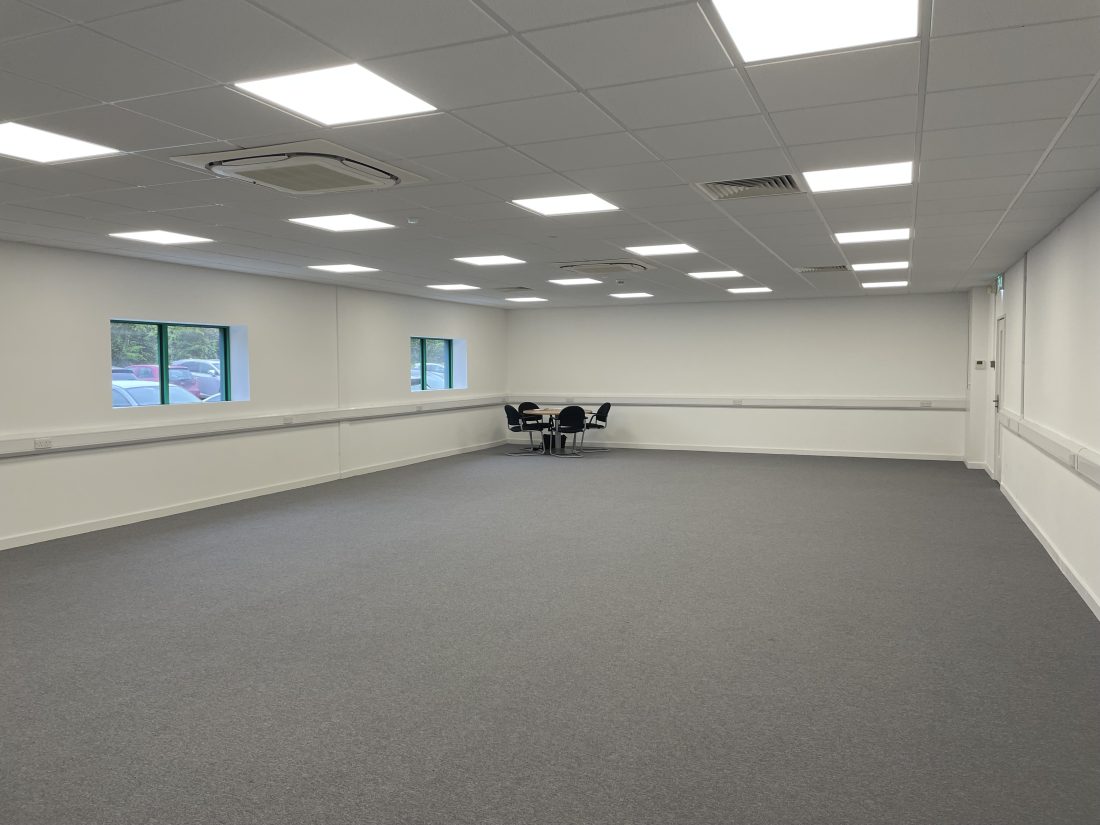
This usually states that the tenant must return the property to the Landlord in full compliance with the lease terms.
It may contain other more onerous clauses and obligations such as replacing all carpets or returning the property back to a certain specification.
On the latter point we are seeing this more and more in central London office accommodation where landlord’s are letting refurbished or newly built office accommodation in a blank canvas style ‘CAT A’ finish. The lease will then include and refer to a specification which sets out the standard the tenant must return the premises to at lease end.
This leaves little wiggle room for negotiations around reinstatement and yielding up clauses although it does have the benefit of the tenant not having to replace surface finishes such as carpets if they were not there in the first place.
Modern leases will usually allow the landlord to cover any surveyors and solicitors fees in preparing a dilapidations schedule and for rectification in beaches of covenant.
Landlord Costs and Indemnity clauses are usually found at the end of the ‘Tenant’s Covenants’ section in the lease.
The landlord costs section will typically allow for recovery of their surveyors fees in inspecting and preparing any dilapidation schedules before or after lease end along with their solicitors costs with formally serving said schedules.
The indemnity clauses are again catch all clauses which will make reference to the tenant indemnifying the Landlord against all loss from breach of covenants (i.e: the ones listed above). This typically will include for the following:
These costs usually add up to form a substantial part of the claim.
If a Tenant wants to be proactive in understanding and mitigating their dilapidation liabilities then it is crucial to understand what they are responsible for under their lease terms. Doing this early and in a proactive manner can allow for effective strategizing and budgeting for an eventual claim.
In some instances tenants may feel it is beneficial to identify and carry out works ahead of lease end to eliminate or reduce any potential claim from the landlord or they may take a view that they budget for a suitable financial settlement.
Either way being forewarned is being forearmed and we hope this article helps you go some way to understanding how dilapidation claims are assessed.
Our chartered building surveyors at Bressummer A.R.K. Limited are highly experienced in acting for commercial tenants in dilapidations claims and on average save our clients 30% when representing them against landlords in dilapidation negotiations. Find out more about our services and how we can assist by clicking the buttons below.
Dilapidations ConsultancyCost of Services
The term ‘FRI’ when referring to commercial leases stands for Full Repairing and Insuring (FRI). This means that the tenant will hold full responsibility for the whole of the property and not just part of it in terms of maintaining and insuring. This will extend to the structure, external and internal building fabric and finishes along with mechanical and electrical services, external areas, boundaries and even underground drainage runs that serve the property.
When entering into a commercial lease as a tenant it is extremely important you understand the nature of the lease and your responsibilities under it and do your due diligence before committing. This is where a commercial building surveyor can help by carrying out a building survey or schedule of condition and even review certain lease covenants to ensure your commercial position is protected as much as possible.
In short yes. All our surveyors are chartered building surveyors and members of the Royal Institution of Chartered Surveyors (RICS) our company is also regulated by the RICS. So you will always have a chartered surveyor acting for you.
Good question, and important! Its a common one and the answer is, it depends on three main variables. The size of the property, the type of survey and the location of the property. You can get a guide on our fees for different services by seeing our cost of services page by clicking here – Cost of Services
Yes certainly, our company is made up of Chartered Building Surveyors, all directly employed by the company, so if you contact the company one of us would be happy to have a free chat to see how we can help.
Interim claims occur during the lease term, while terminal dilapidations are assessed at the lease’s end.
By maintaining the property during the lease and using a pre-lease Schedule of Condition to document existing issues.
A schedule of dilapidations address breaches of lease terms, such as required repairs, ensuring properties are maintained and landlords’ investments are protected.
We contacted Bressummer A.R.K. to carry out a dilapidation survey on one of our rental units, from the initial contact through to receiving the report, the communication was first class, the day before the survey we had to notify Bressummer A.R.K. that we needed to reschedule, this wasn’t an issue for them, they were able to fit us in within a few days of the original date.
We would highly recommend this company and will most certainly use them again for future surveys.
Simon White - New Barn Holdings
It’s important, in order for us to understand your requirements from the outset in order to give the best commercial building consultancy advice we can.
Enquire
Full steam ahead on surveys and PPMs across the South, maintaining responsive service and supporting clients with fast-turnaround instructions.
Most lease renewals are treated as routine — but without understanding the building’s condition, tenants can take on far more risk than they realise.

Energy efficiency is becoming an increasingly important issue in the UK commercial property market. Government regulations aimed at improving the environmental performance of buildings are evolving, and one of the most significant frameworks landlords need to understand is the Minimum Energy Efficiency Standards (MEES).

With the new RICS standard on AI now in effect, surveying firms must follow clear rules around how technology is used in professional services. We explore what this means for property owners and how Bressumer ARK ensures clients remain in safe hands.

Commercial property transactions often appear straightforward on the surface: agree terms, instruct solicitors, sign documents and complete. In reality, they carry significant technical and financial risk. Hidden defects, compliance issues and unclear repair obligations can quickly turn a good deal into an expensive mistake.
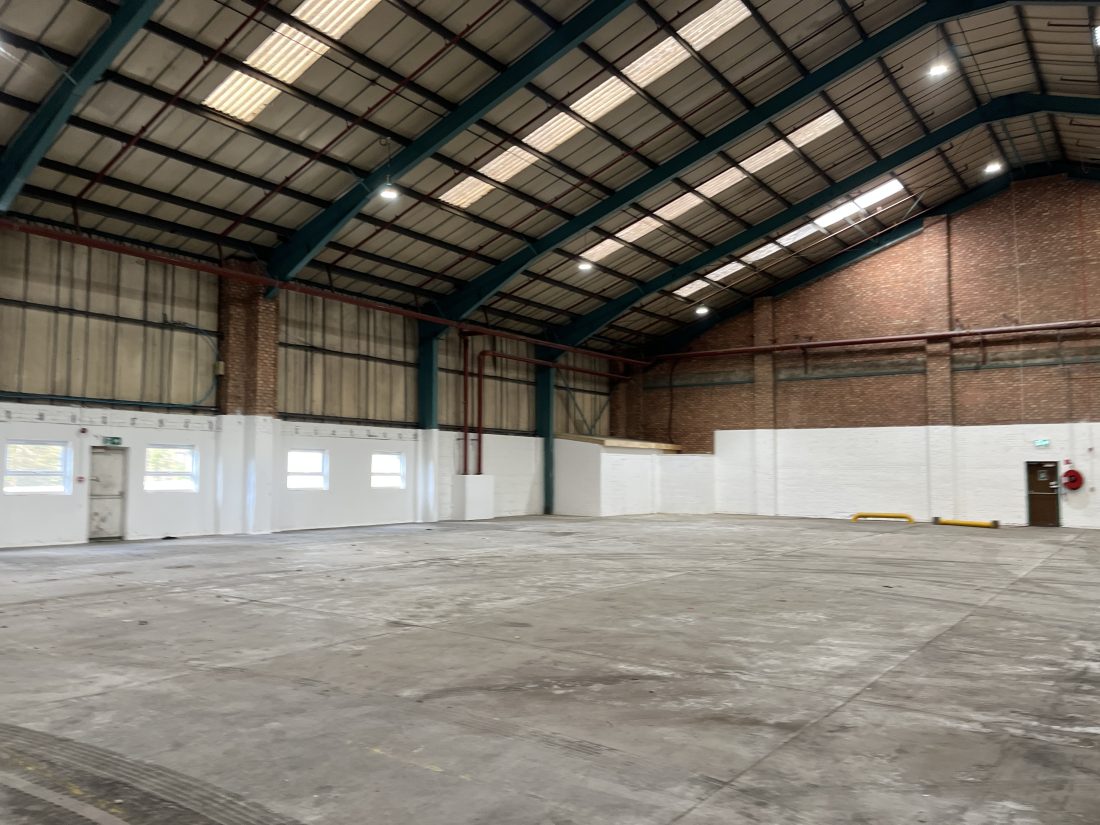
Industrial warehouses often appear simple, but many of the most costly issues remain hidden until a lease ends, a building is sold, or operations change. This article explains what surveyors look for in industrial warehouses — from roofs and floors to external areas and fire safety — and why understanding condition early can help reduce risk, cost and disruption.

We’re delighted to welcome Steve to the Bressummer A.R.K team as our new Associate Director. Here’s a little more about him…

Browse the questions we tend to get asked most around how we operate and our company.
Browse the questions we tend to get asked most around Dilapidation matters.
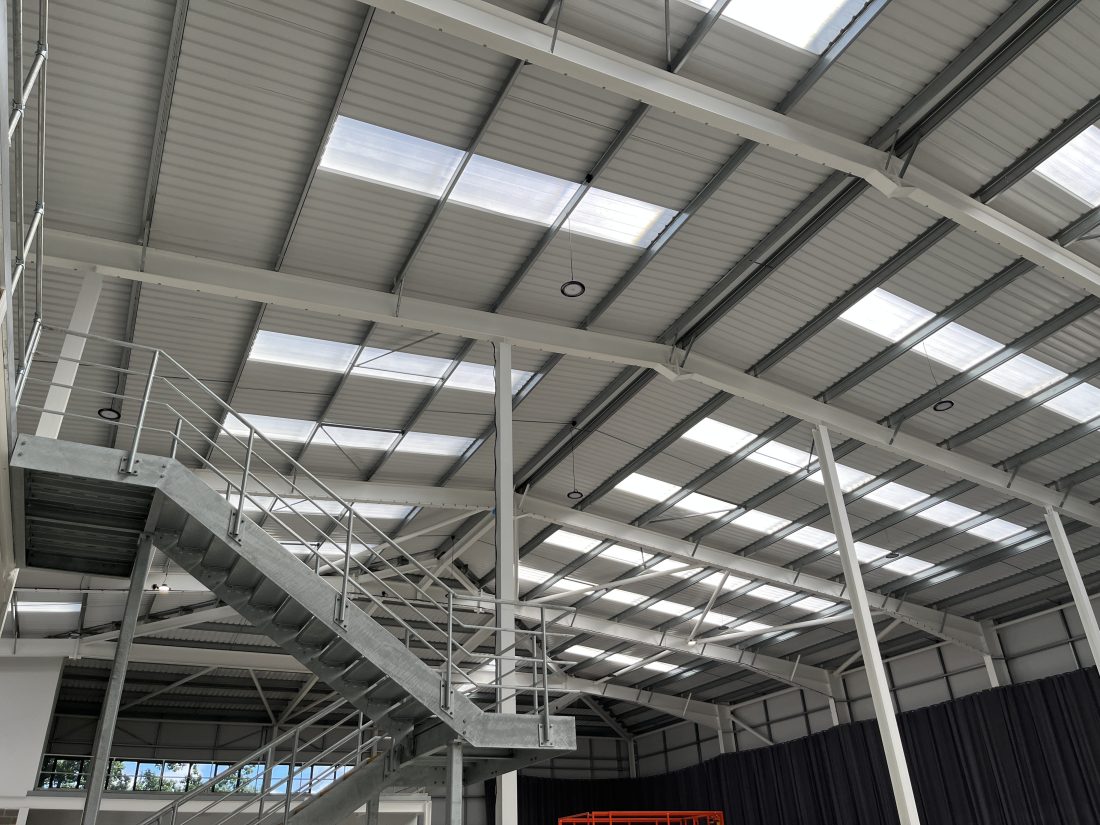
In this article, we look at the risks associated with tenant alterations in commercial buildings and how professional technical oversight helps protect landlords, buildings and long-term asset value.

Sustainability is no longer just a buzzword in commercial property. Across the UK, environmental performance is becoming a key consideration for landlords, investors and occupiers alike. One of the clearest signs of this shift is the growing use of green clauses in commercial leases.
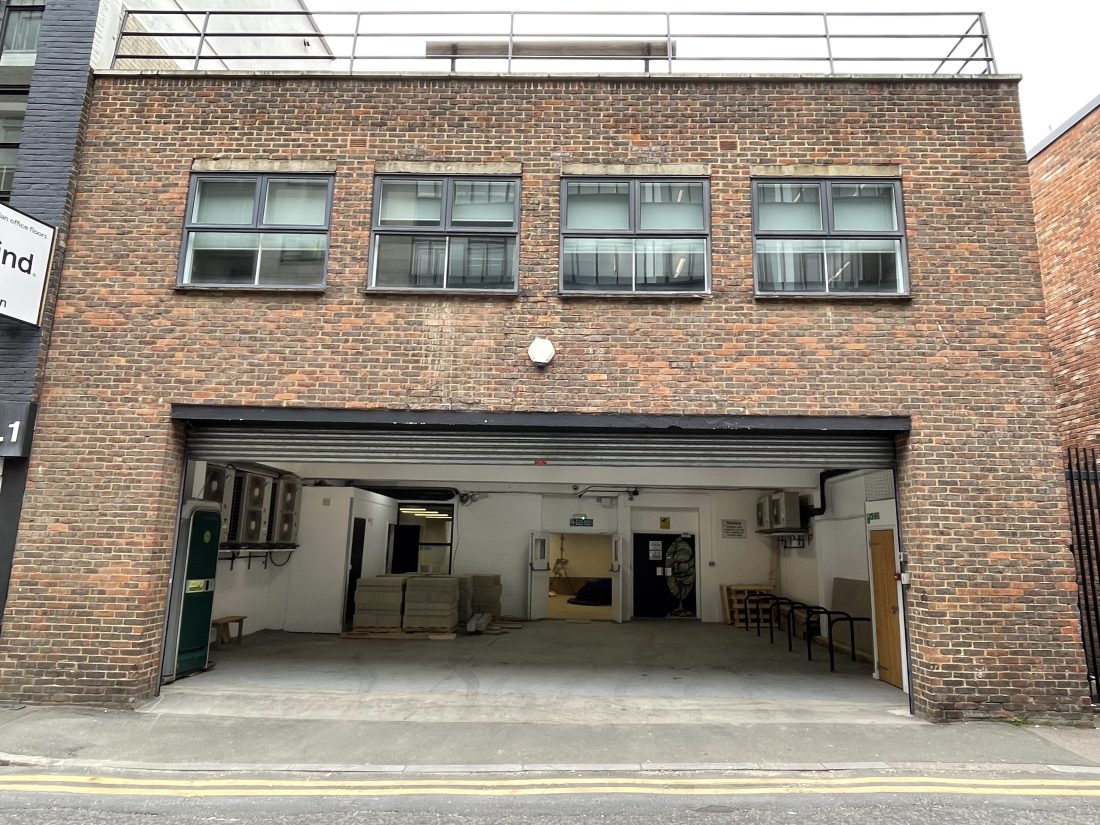
A practical guide to Schedules of Dilapidations, answering the five questions landlords and tenants ask most when approaching lease expiry.
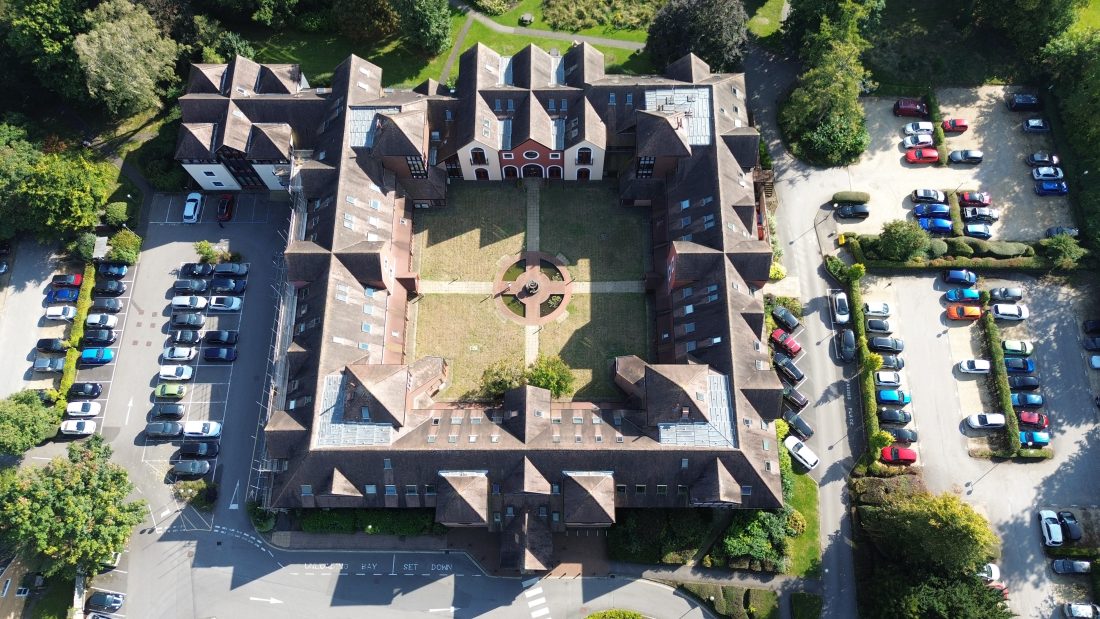
In this article we explain how commercial building consultancies structure and work out their pricing for carrying out commercial building surveys in England.

Technology is transforming building surveying, ushering the profession into a new era. Modern tools such as drones, 3D scanning and digital twins are reshaping how surveyors inspect, record and manage buildings. What once relied on tape measures, ladders and paper reports is now supported by high-precision digital data, delivering safer, faster and more accurate inspections. Yet while technology is driving impressive change, it doesn’t replace the surveyor’s expertise, it strengthens it.

Sustainability is no longer optional in commercial property. With the UK’s Net Zero targets and investor demand for ESG-compliant assets, landlords face growing pressure to upgrade their buildings. In this article, the Bressummer A.R.K team explore how to future-proof commercial buildings to remain compliant, competitive and attractive to tenants, while also protecting asset value in an evolving regulatory landscape.

A Schedule of Condition is one of the most powerful tools a tenant can use to manage risk in a commercial lease. By documenting the state of a property at the outset, tenants can prevent being unfairly held liable for pre-existing issues. In this blog, the Bressummer A.R.K team explain what a Schedule of Condition is, why it matters and how it can save tenants thousands of pounds in dilapidations claims.
Dilapidation claims are a routine part of commercial property management, but they are also one of the most common sources of disputes between landlords and tenants. Many landlords weaken their position by making avoidable mistakes, from overestimating claims to failing to prepare evidence. In this blog, the Bressummer A.R.K team outline the most frequent errors that we see landlords make and explain how to avoid them, ensuring smoother negotiations and stronger recovery of costs.
Signing a commercial lease is one of the biggest commitments a business will make, but it’s often rushed through under pressure to secure the right premises. This blog provides tenants with a practical, step-by-step checklist before signing, highlighting responsibilities, financial risks, and essential documents. With careful preparation and expert advice, tenants can avoid costly surprises and ensure their lease supports their long-term business goals.
For many tenants, dilapidations is one of the most confusing, and costly, parts of leasing a building. Put simply, dilapidations refer to the repairs and reinstatement works that a tenant must complete under their lease obligations. Understanding the meaning of dilapidations early on can help you avoid unexpected bills, disputes with your landlord and unnecessary stress when your lease comes to an end.
Who Pays for a Dilapidations Survey? A Guide for Commercial Landlords and Tenants. This article explains the typical lease clauses that allow surveyor costs to be claimed, why they exist, and what landlords can do to benefit from them.
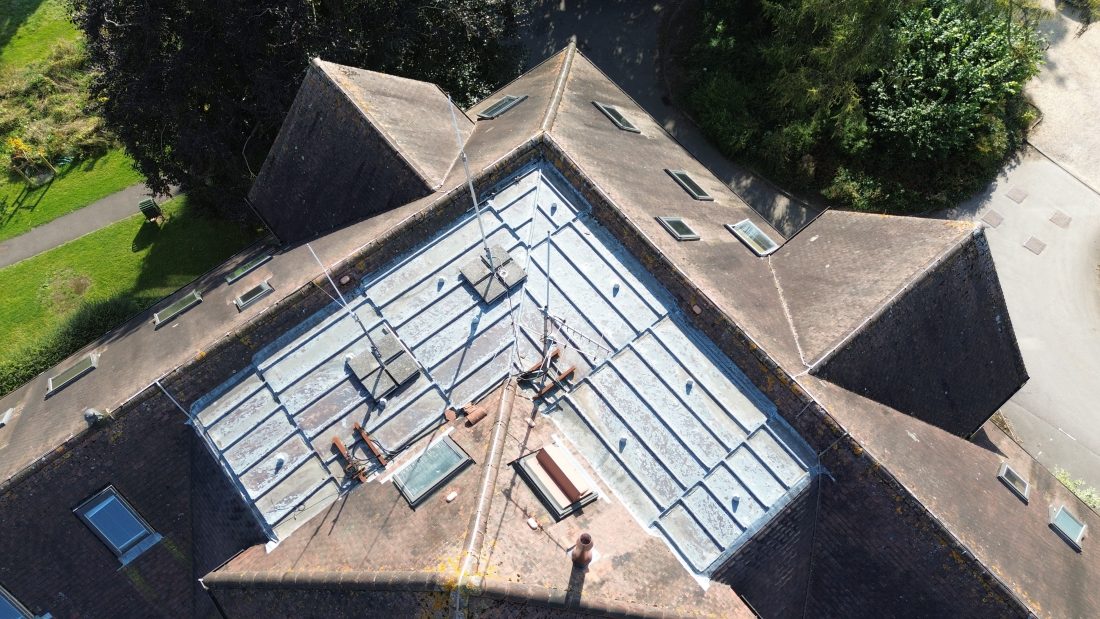
In this blog, we explain what a PPM Survey involves, why it is essential, and how it has already helped organisations like Test Valley Borough Council protect their property assets.
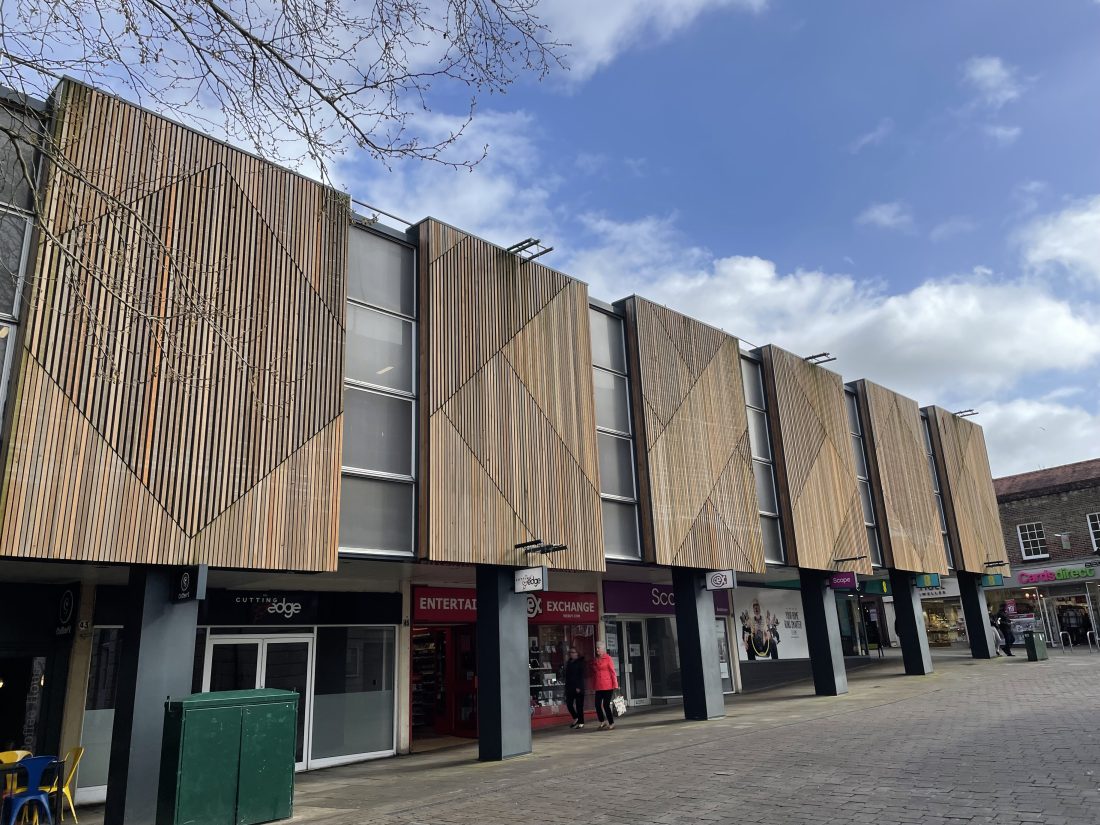
When buying or leasing a commercial property, it is easy to get caught up in the location, potential returns, and how quickly you can get the deal done. But one of the most important steps in protecting your investment is often overlooked — A Commercial Building Survey, also known as Technical Due Diligence or TDD.
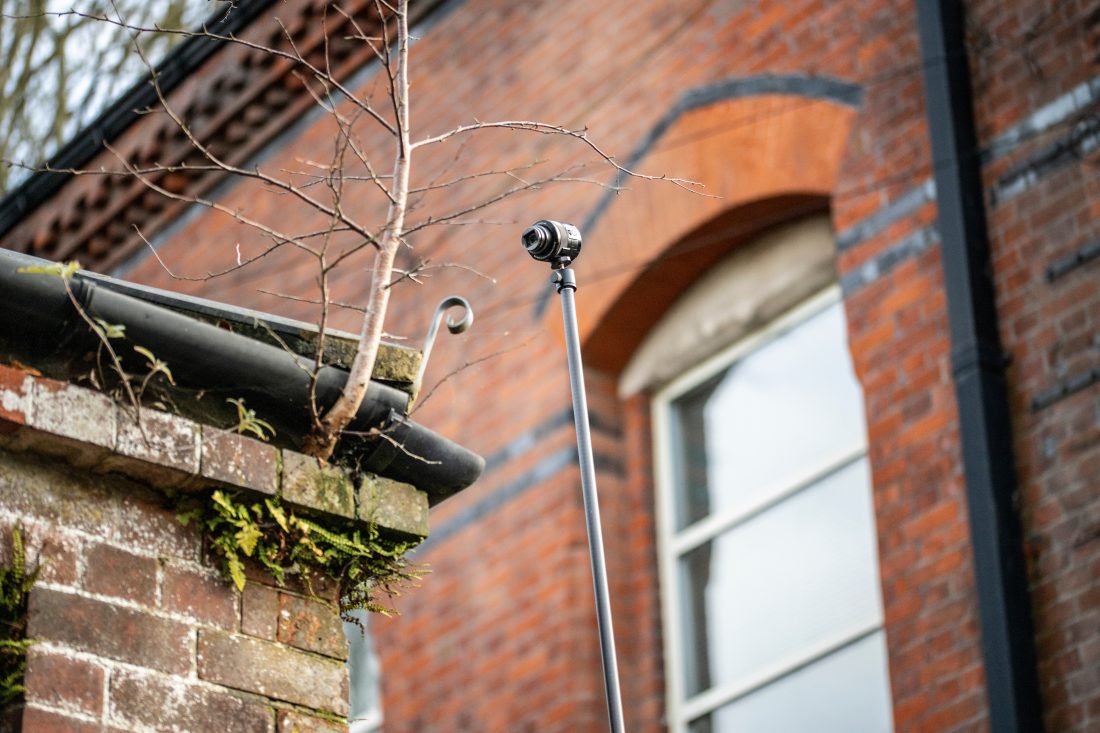
When delving into the intricacies of commercial real estate, one document that stands out is the Schedule of Condition (SOC). Think of it as a detailed 'snapshot' of a property’s current state, similar to an 'inventory' list for a rental car, capturing all existing dents and scratches before driving off the lot. This snapshot helps prevent disputes about who caused what damage later on.

At Bressummer ARK Ltd., we believe that business success should go hand in hand with making a positive impact.