Insight
It’s important, in order for us to understand your requirements from the outset in order to give the best commercial building consultancy advice we can.
Enquire
Session One of the 2026 RICS Assessment of Professional Competence (APC) is now underway, with Built Environment final assessment interviews beginning on 11 May 2026. For candidates working towards MRICS status, this is one of two key windows in the year to demonstrate that they have reached the required standard of professional competence, and with significant changes now in place, it is more important than ever to be properly prepared.
Session One of the 2026 RICS Assessment of Professional Competence (APC) is now underway, with Built Environment final assessment interviews beginning on 11 May 2026. For candidates working towards MRICS status, this is one of two key windows in the year to demonstrate that they have reached the required standard of professional competence, and with significant changes now in place, it is more important than ever to be properly prepared.
At Bressummer A.R.K., we have a direct connection to the APC process. Our Managing Director, Derek Johnson, has been a trained RICS APC assessor for six years and currently acts as an APC Counsellor for three candidates. That experience gives us a particular perspective on what the assessment demands and what the recent changes to the process mean for those currently working towards their qualification.
What Is the APC?
The Assessment of Professional Competence is the principal route to becoming a Chartered Member of the RICS (MRICS). It is a structured process through which candidates demonstrate that they have developed and applied the technical competencies required for their chosen pathway, alongside the mandatory professional skills expected of all chartered surveyors.
The APC is not simply an exam. It involves a period of structured work-based training, regular engagement with a Counsellor, the preparation of a detailed Summary of Experience, and ultimately a final assessment interview. That interview tests not only technical knowledge but the candidate’s ability to reason at an advisory level, apply professional ethics and draw on real experience in practice.
There are two main routes to assessment:
The Graduate Route is designed for candidates who hold an RICS-accredited degree and are working towards their first professional qualification. Depending on the route taken, this typically involves either 12 or 24 months of structured training before becoming eligible to submit for final assessment.
The Senior Professional Route is available to those with significant relevant industry experience -generally over five or 10 years – who are already working at a senior level. This route recognises that experienced professionals may not need the same period of structured training, though the rigour of the final assessment remains equally demanding.
What Has Changed in 2026?
The most significant change for candidates to be aware of is the introduction, from 1 January 2026, of a cap on the number of assessment attempts.
Previously, there was no formal limit on how many times a candidate could sit the final assessment. From this year, candidates are limited to four attempts. A fifth and final attempt may be made, but only after completing a further 12 months of additional work-based experience. Importantly, any referrals that occurred before 1 January 2026 do not count towards this total, so candidates start afresh under the new rules.
The rationale behind the change is straightforward; to encourage candidates to come forward for assessment only when they are genuinely ready. This places a greater responsibility on Counsellors to ensure that submissions meet the required standard before they are approved on candidates to reflect carefully on their preparation rather than treating the interview as a rehearsal or taking their chances.
As RICS has made clear, the cap is also intended to ensure that assessors are seeing candidates who are well-prepared and whose submissions accurately reflect their competence. From our position on both sides of the process – as assessors and as Counsellors – we believe that is a positive development.
Alongside the attempt limit, RICS has also introduced several updates to the Assessment Platform, including clearer guidance on employment history requirements, improved navigation for the submission stage and a mandatory new Counsellor Training Module that all Counsellors must complete in order to continue approving candidate submissions.
What It Means in Practice
The new limit on attempts changes the stakes for candidates in a meaningful way. Sitting the APC without being ready is no longer a low-risk decision. Each attempt counts and the buffer that previously existed, where a candidate might sit two or three times to understand the process, has been significantly reduced.
For candidates, this means taking preparation seriously from the outset: working closely with your Counsellor throughout the training period, ensuring your Summary of Experience contains specific, well-evidenced examples at the right level and treating the final interview with the focus and rigour it deserves.
For Counsellors, the new rules reinforce the importance of the sign-off process. Approving a candidate for submission is not a formality, it is a professional judgement that their experience and documentation are genuinely ready.
Our Role in the APC Process
Derek’s dual role as both an APC assessor and an active Counsellor gives Bressummer A.R.K. a complete perspective on the qualification process. As an assessor, he understands exactly what the panel is looking for and how candidates are evaluated against the pathway competencies. As a Counsellor, he works directly with candidates to help them develop their experience, structure their submissions and prepare for interview.
That depth of involvement in the profession, from both sides of the table, reflects the standard we hold ourselves to in our day-to-day work. The rigour, professional ethics and technical grounding that the APC demands of candidates are the same qualities we bring to every instruction.
It’s important, in order for us to understand your requirements from the outset in order to give the best commercial building consultancy advice we can.
Enquire
A Schedule of Dilapidations served at lease expiry rarely tells the full story. One of the most significant factors we see shift the value and viability of a claim is whether the landlord has already re-let the premises, or has a prospective letting in place, evidenced by agreed Heads of Terms. We have dealt with, and settled, numerous cases recently where this single fact has had a material impact on the claim, whether through significant reduction, reformulation, or the claim falling away almost entirely.

Commercial property insurance is one of those things that tends to get set up once and then left alone. The premium comes around each year, the policy renews and it's easy to assume that if something is covered, it's covered adequately.

Installing air conditioning is about more than selecting the right system. From structural considerations to protecting the building fabric, discover why involving a building surveyor before installation can help avoid costly defects and ensure your property is ready for the works.

A different side of surveying that often goes unseen is supporting APC candidates on their journey to becoming Chartered Surveyors. At Bressummer Ark , our team regularly helps aspiring surveyors prepare for their APC through mock interviews, presentation reviews and practical guidance based on real industry experience.

With more commercial property owners looking at solar, the conversation is shifting. It’s no longer just about energy savings — it’s about whether your building is actually ready for it.

Quinquennial surveys provide clarity, reassurance, and a clear plan for maintaining historic buildings. Here’s why they matter more than you might think.

Full steam ahead on surveys and PPMs across the South, maintaining responsive service and supporting clients with fast-turnaround instructions.
Most lease renewals are treated as routine — but without understanding the building’s condition, tenants can take on far more risk than they realise.

Energy efficiency is becoming an increasingly important issue in the UK commercial property market. Government regulations aimed at improving the environmental performance of buildings are evolving, and one of the most significant frameworks landlords need to understand is the Minimum Energy Efficiency Standards (MEES).

With the new RICS standard on AI now in effect, surveying firms must follow clear rules around how technology is used in professional services. We explore what this means for property owners and how Bressumer ARK ensures clients remain in safe hands.

Commercial property transactions often appear straightforward on the surface: agree terms, instruct solicitors, sign documents and complete. In reality, they carry significant technical and financial risk. Hidden defects, compliance issues and unclear repair obligations can quickly turn a good deal into an expensive mistake.

Industrial warehouses often appear simple, but many of the most costly issues remain hidden until a lease ends, a building is sold, or operations change. This article explains what surveyors look for in industrial warehouses — from roofs and floors to external areas and fire safety — and why understanding condition early can help reduce risk, cost and disruption.

We’re delighted to welcome Steve to the Bressummer A.R.K team as our new Associate Director. Here’s a little more about him…

Browse the questions we tend to get asked most around how we operate and our company.
Browse the questions we tend to get asked most around Dilapidation matters.
Understanding your dilapidation liabilities is essential for any commercial tenant preparing for the end of a lease. This clear and practical guide explains how Tenant's can make their own assessments from reviewing their obligations in the lease.
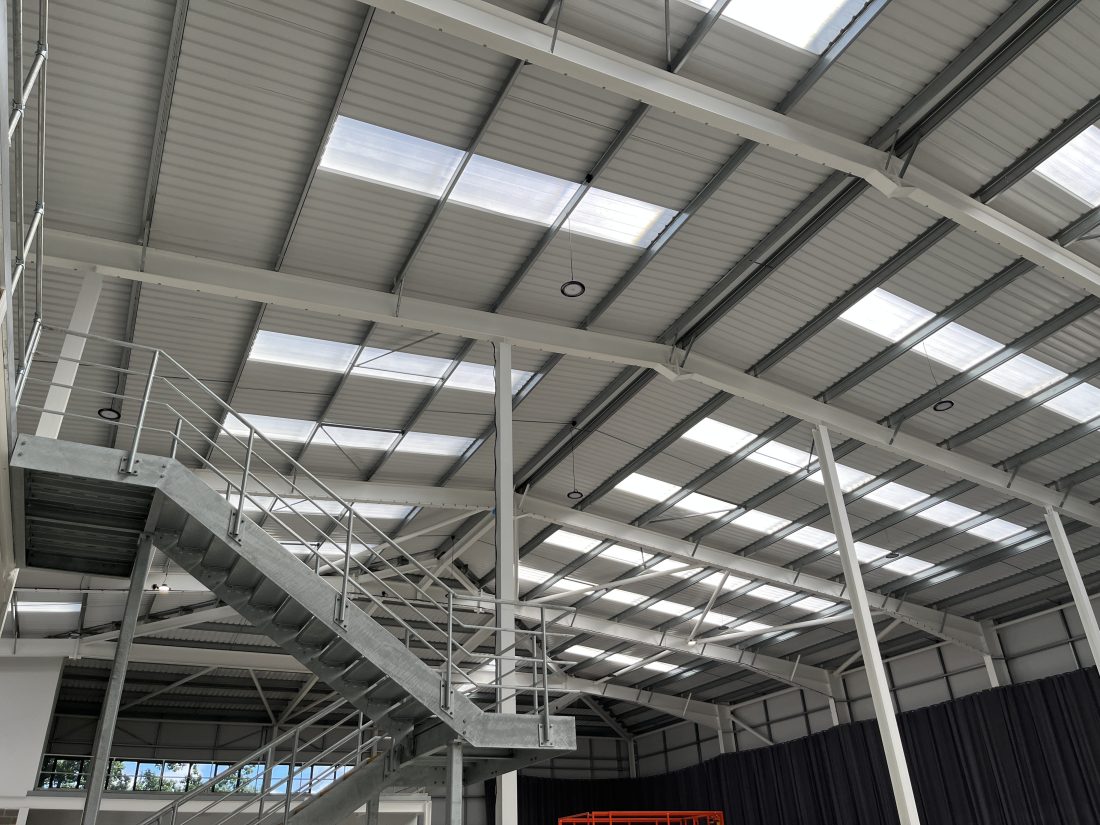
In this article, we look at the risks associated with tenant alterations in commercial buildings and how professional technical oversight helps protect landlords, buildings and long-term asset value.

Sustainability is no longer just a buzzword in commercial property. Across the UK, environmental performance is becoming a key consideration for landlords, investors and occupiers alike. One of the clearest signs of this shift is the growing use of green clauses in commercial leases.
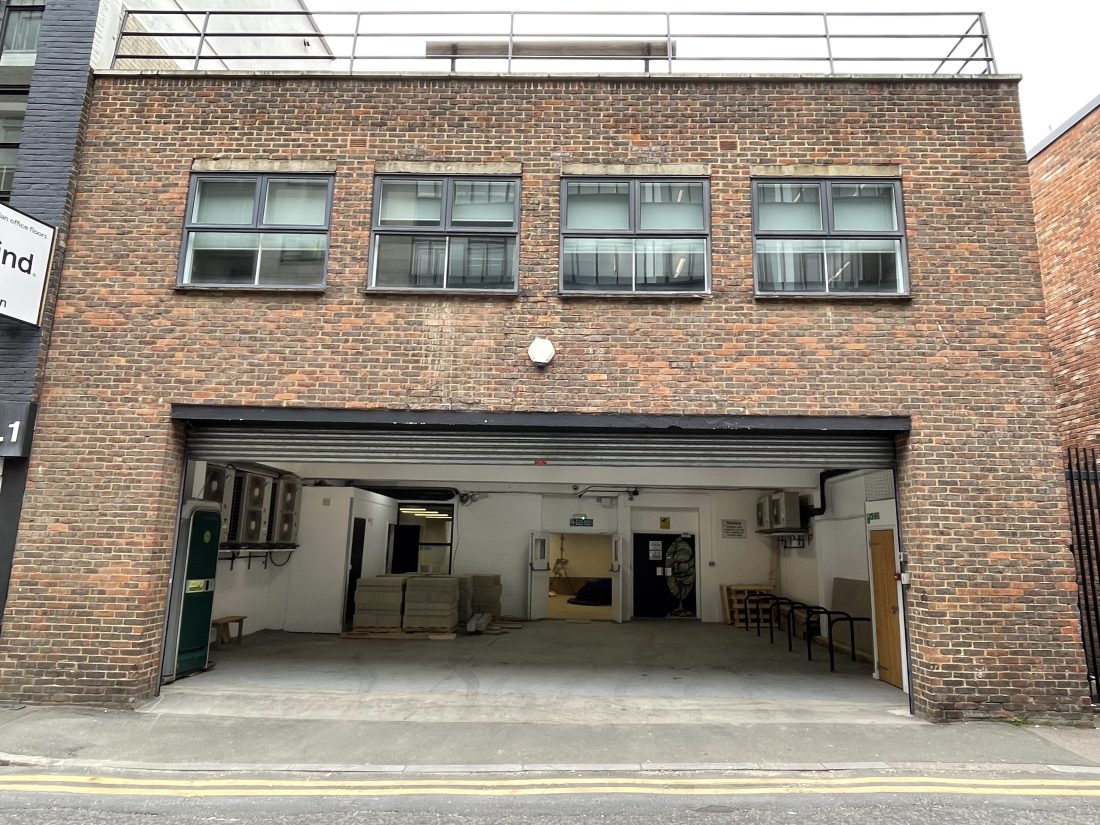
A practical guide to Schedules of Dilapidations, answering the five questions landlords and tenants ask most when approaching lease expiry.

In this article we explain how commercial building consultancies structure and work out their pricing for carrying out commercial building surveys in England.

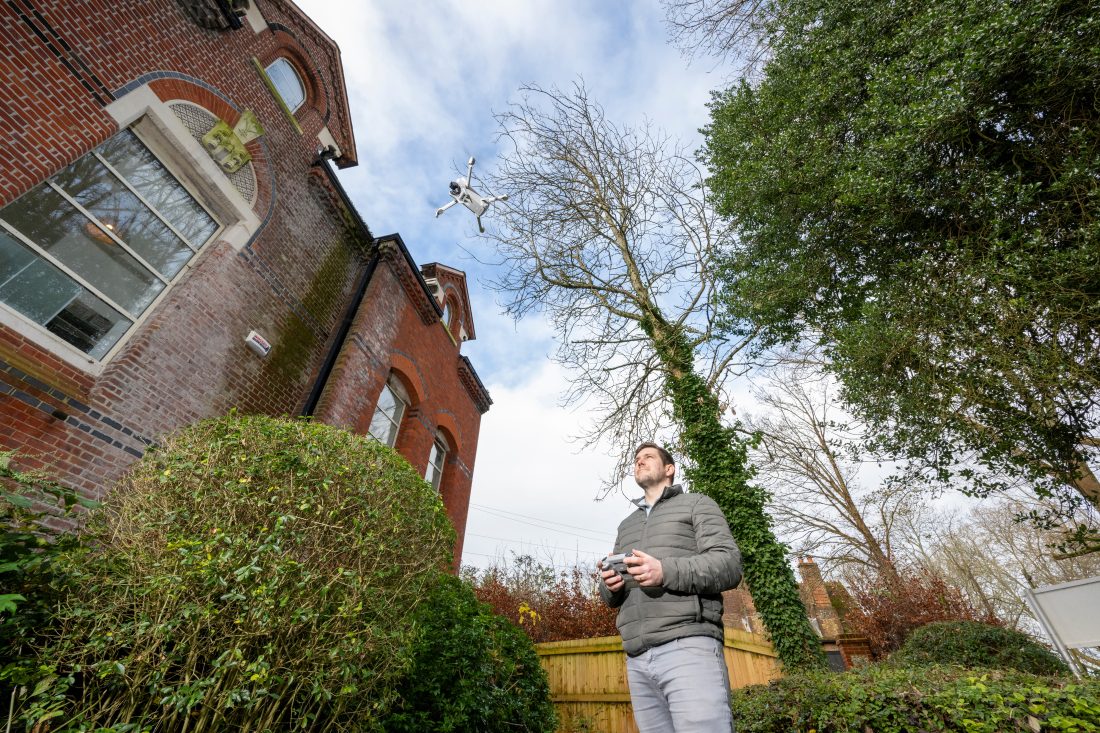
Technology is transforming building surveying, ushering the profession into a new era. Modern tools such as drones, 3D scanning and digital twins are reshaping how surveyors inspect, record and manage buildings. What once relied on tape measures, ladders and paper reports is now supported by high-precision digital data, delivering safer, faster and more accurate inspections. Yet while technology is driving impressive change, it doesn’t replace the surveyor’s expertise, it strengthens it.

Sustainability is no longer optional in commercial property. With the UK’s Net Zero targets and investor demand for ESG-compliant assets, landlords face growing pressure to upgrade their buildings. In this article, the Bressummer A.R.K team explore how to future-proof commercial buildings to remain compliant, competitive and attractive to tenants, while also protecting asset value in an evolving regulatory landscape.

A Schedule of Condition is one of the most powerful tools a tenant can use to manage risk in a commercial lease. By documenting the state of a property at the outset, tenants can prevent being unfairly held liable for pre-existing issues. In this blog, the Bressummer A.R.K team explain what a Schedule of Condition is, why it matters and how it can save tenants thousands of pounds in dilapidations claims.

Dilapidation claims are a routine part of commercial property management, but they are also one of the most common sources of disputes between landlords and tenants. Many landlords weaken their position by making avoidable mistakes, from overestimating claims to failing to prepare evidence. In this blog, the Bressummer A.R.K team outline the most frequent errors that we see landlords make and explain how to avoid them, ensuring smoother negotiations and stronger recovery of costs.
Signing a commercial lease is one of the biggest commitments a business will make, but it’s often rushed through under pressure to secure the right premises. This blog provides tenants with a practical, step-by-step checklist before signing, highlighting responsibilities, financial risks, and essential documents. With careful preparation and expert advice, tenants can avoid costly surprises and ensure their lease supports their long-term business goals.

For many tenants, dilapidations is one of the most confusing, and costly, parts of leasing a building. Put simply, dilapidations refer to the repairs and reinstatement works that a tenant must complete under their lease obligations. Understanding the meaning of dilapidations early on can help you avoid unexpected bills, disputes with your landlord and unnecessary stress when your lease comes to an end.

Who Pays for a Dilapidations Survey? A Guide for Commercial Landlords and Tenants. This article explains the typical lease clauses that allow surveyor costs to be claimed, why they exist, and what landlords can do to benefit from them.
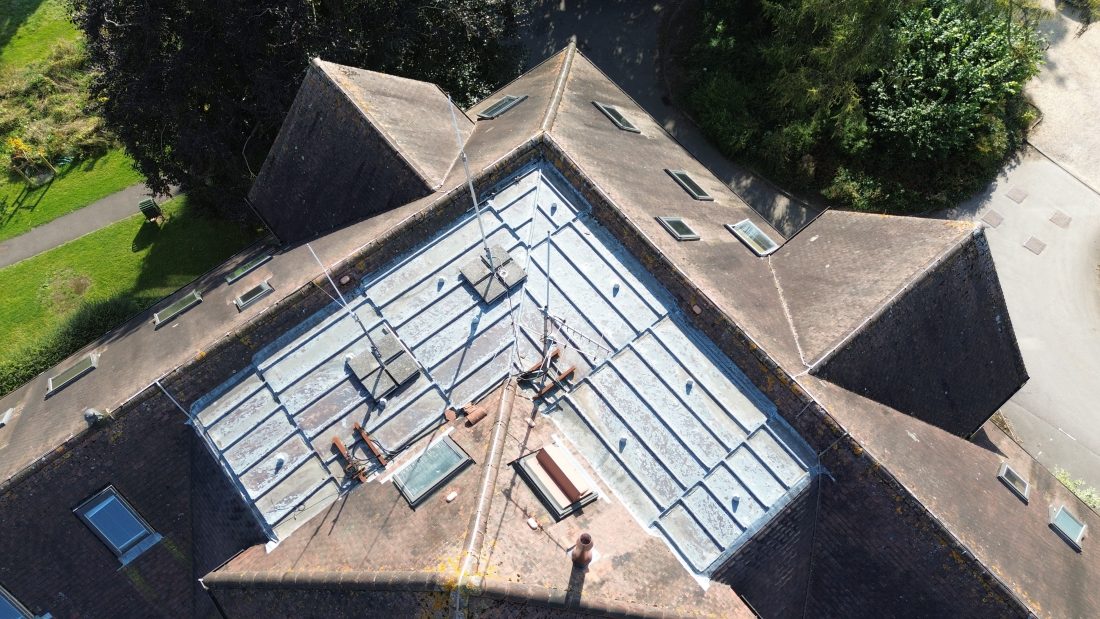
In this blog, we explain what a PPM Survey involves, why it is essential, and how it has already helped organisations like Test Valley Borough Council protect their property assets.

When buying or leasing a commercial property, it is easy to get caught up in the location, potential returns, and how quickly you can get the deal done. But one of the most important steps in protecting your investment is often overlooked — A Commercial Building Survey, also known as Technical Due Diligence or TDD.

When delving into the intricacies of commercial real estate, one document that stands out is the Schedule of Condition (SOC). Think of it as a detailed 'snapshot' of a property’s current state, similar to an 'inventory' list for a rental car, capturing all existing dents and scratches before driving off the lot. This snapshot helps prevent disputes about who caused what damage later on.

At Bressummer ARK Ltd., we believe that business success should go hand in hand with making a positive impact.