How a Schedule of Condition protects you
The protection is simple but powerful. When a landlord serves a dilapidations claim at the end of a lease, your liability is assessed against the condition recorded in the Schedule. Pre-existing defects and wear captured in the Schedule cannot be laid at your door, because the evidence shows they were there before you took occupation. Without a Schedule, you are in the far weaker position of trying to prove, often years later, that a defect pre-dated your tenancy, usually with no evidence to rely on. The Schedule shifts the argument decisively in your favour and removes the uncertainty. For a modest cost at the start of the lease, you protect yourself against a claim that could run to tens of thousands of pounds at the end of it, and on Andover’s larger industrial units, considerably more.
What our Andover Schedule of Condition includes
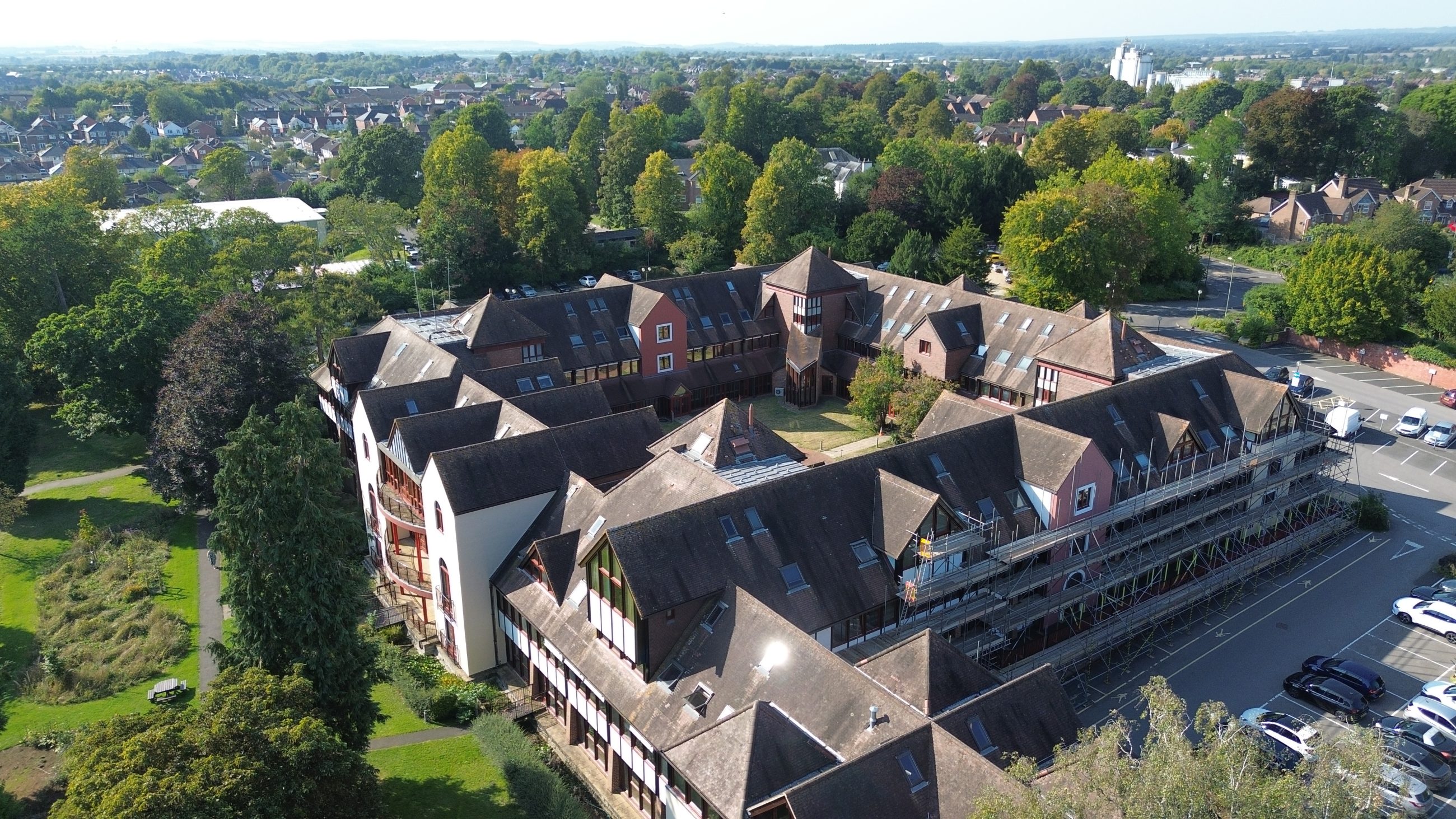
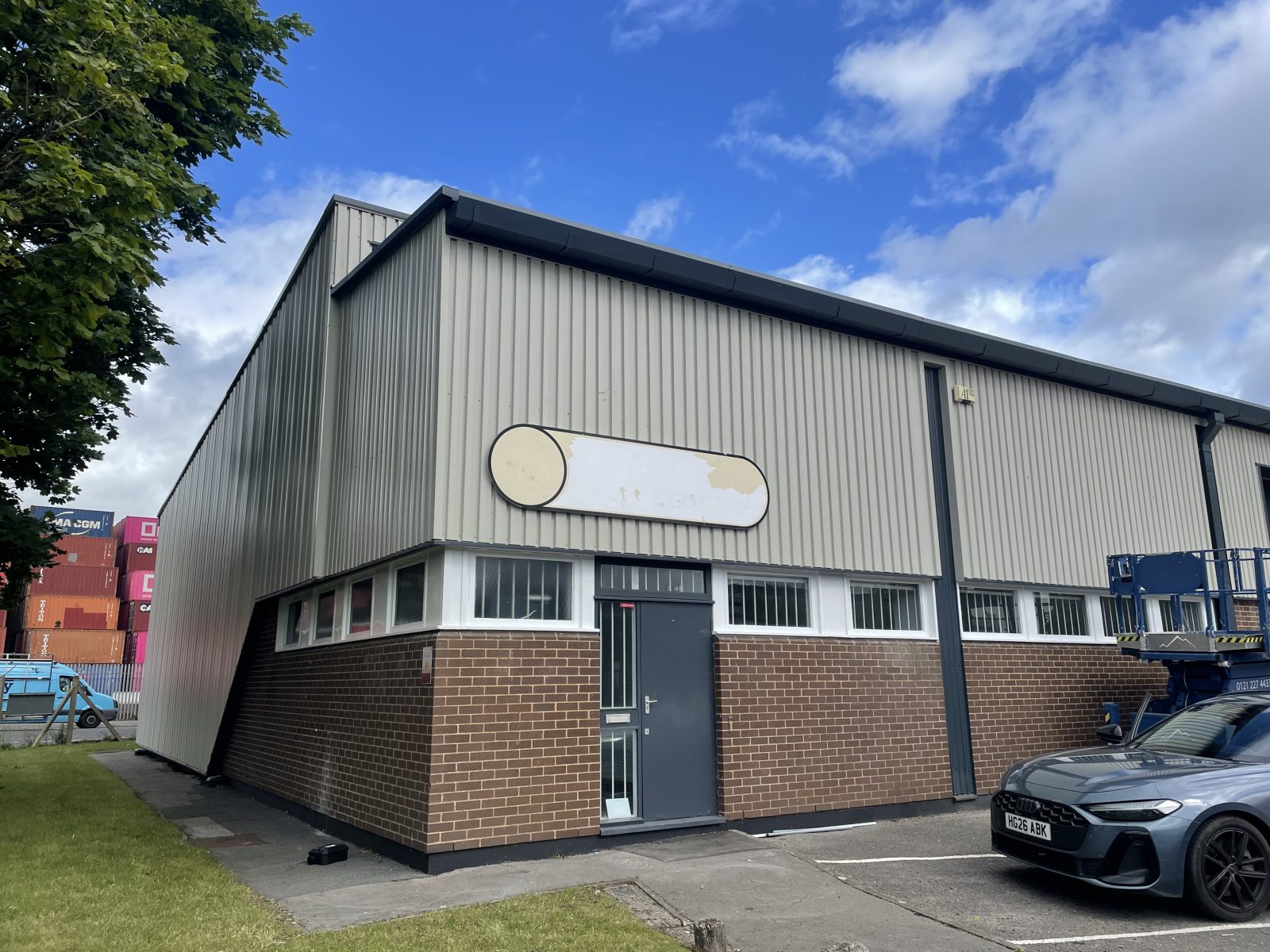
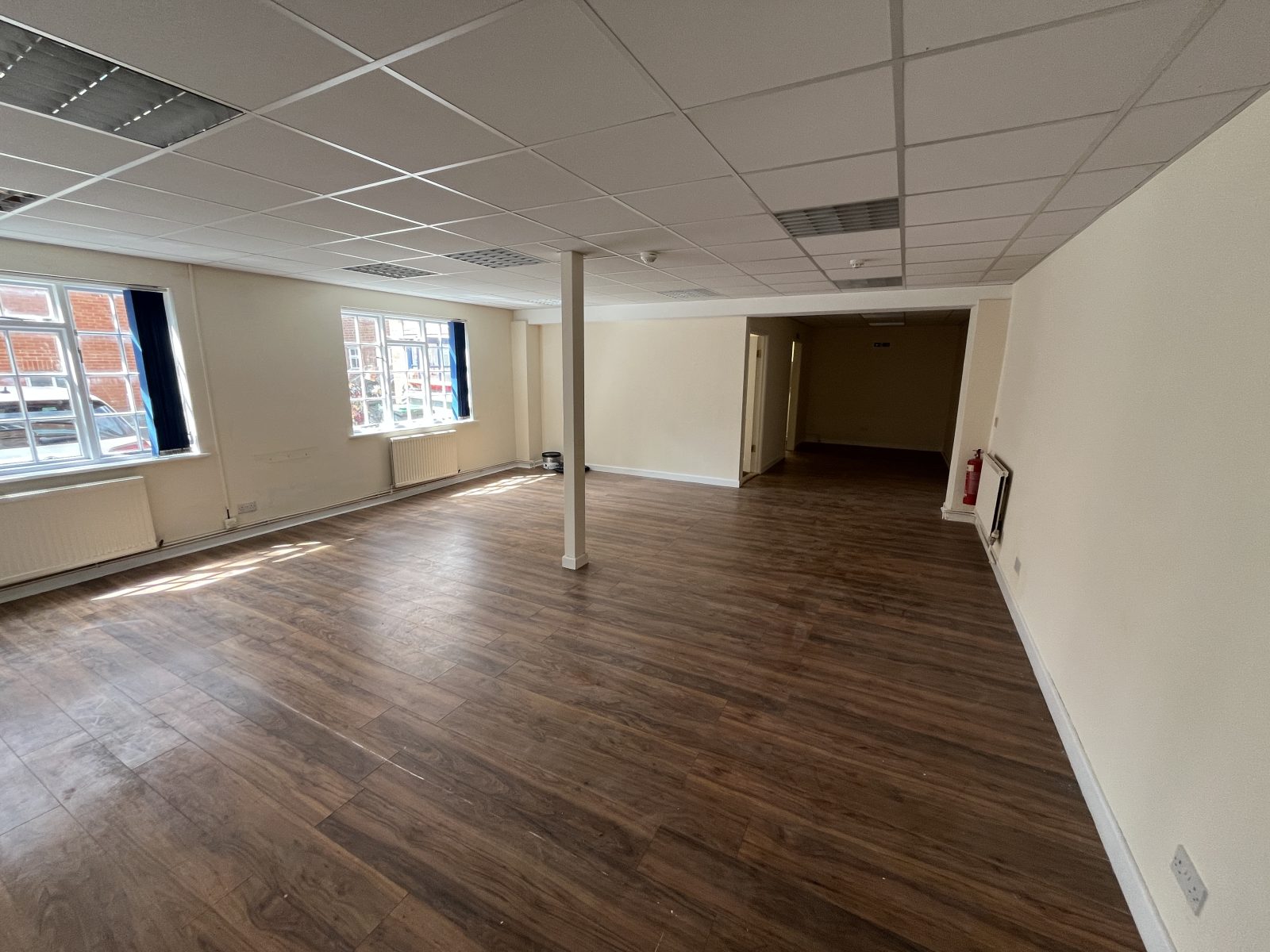
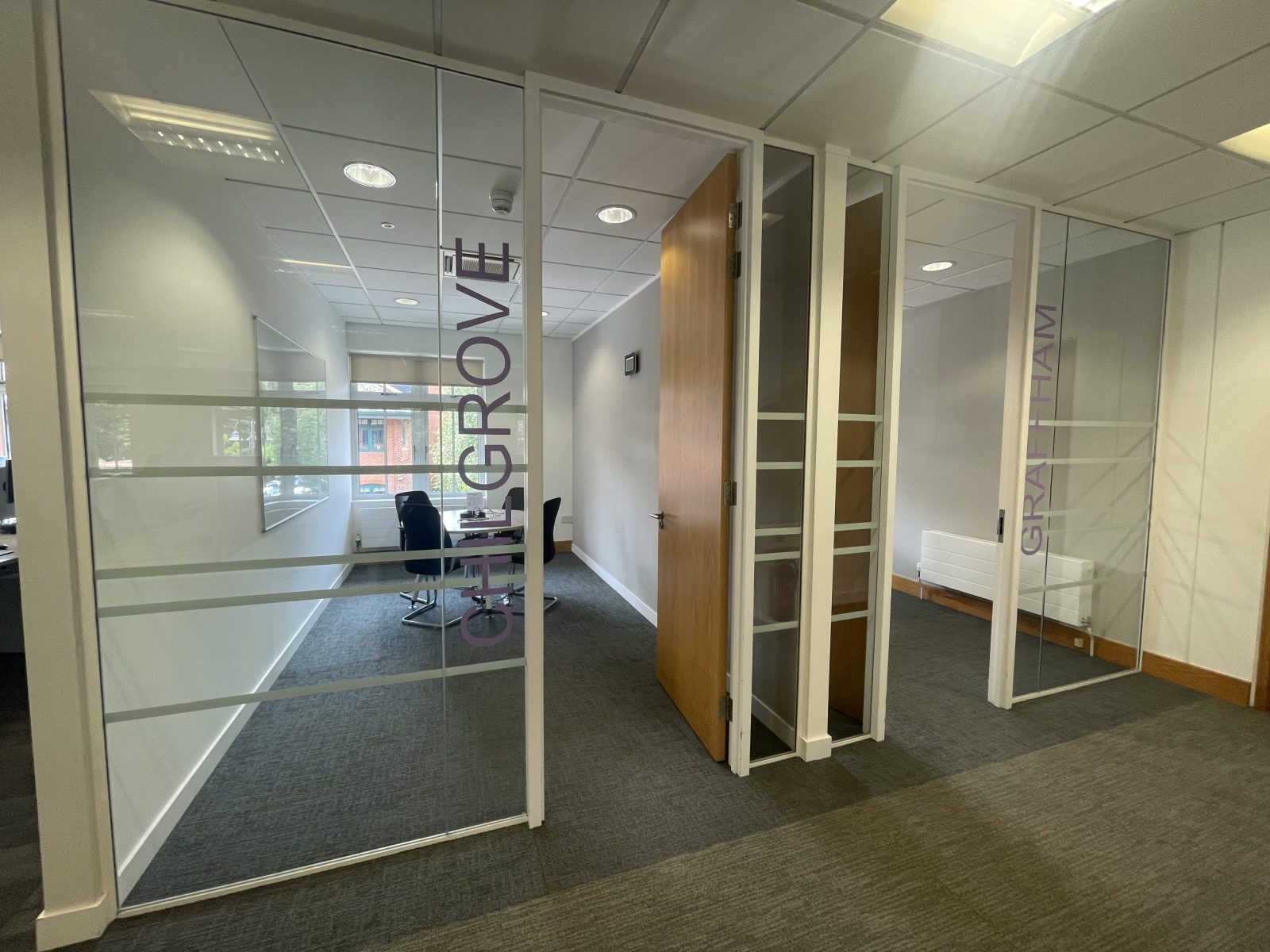
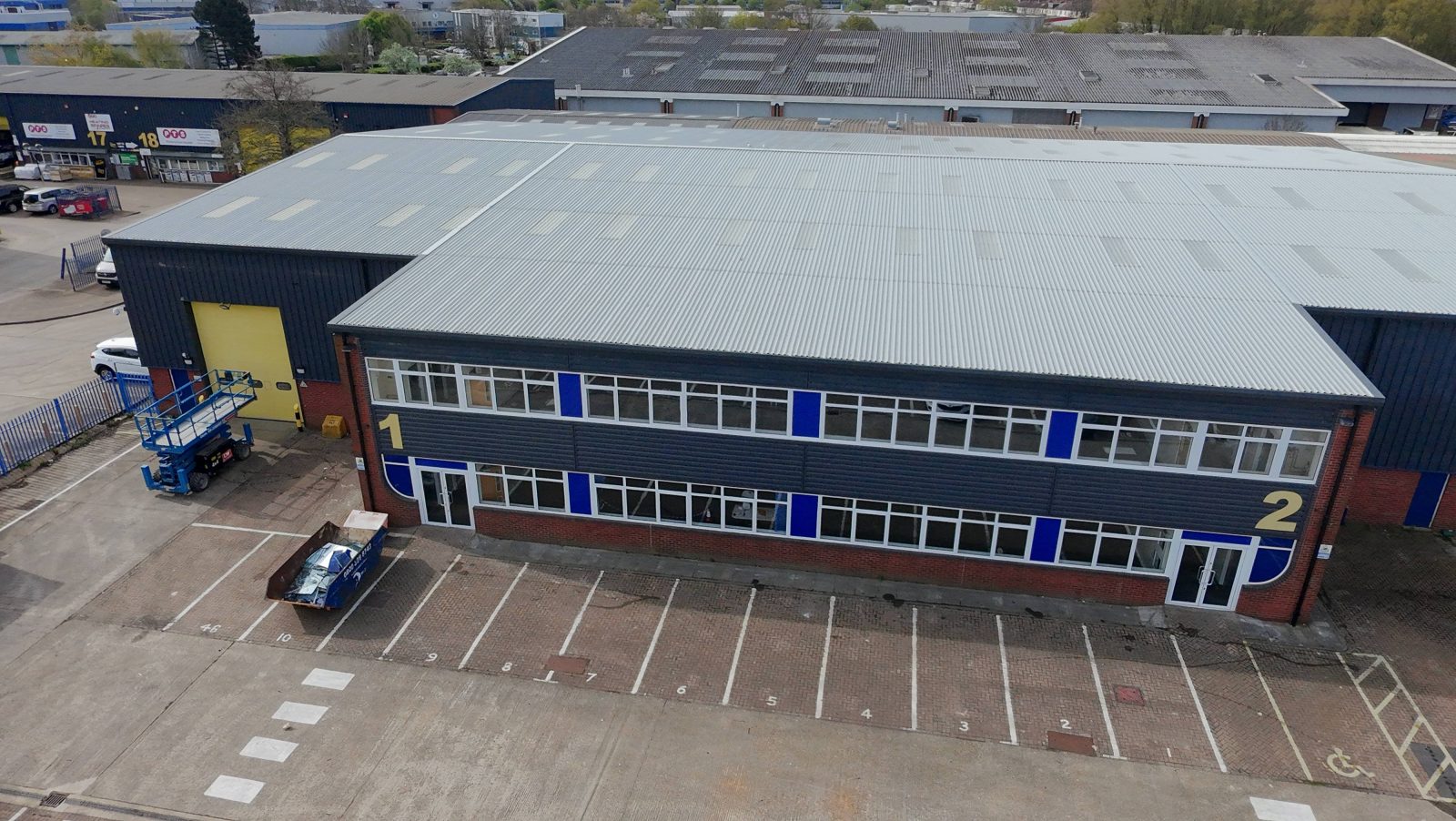
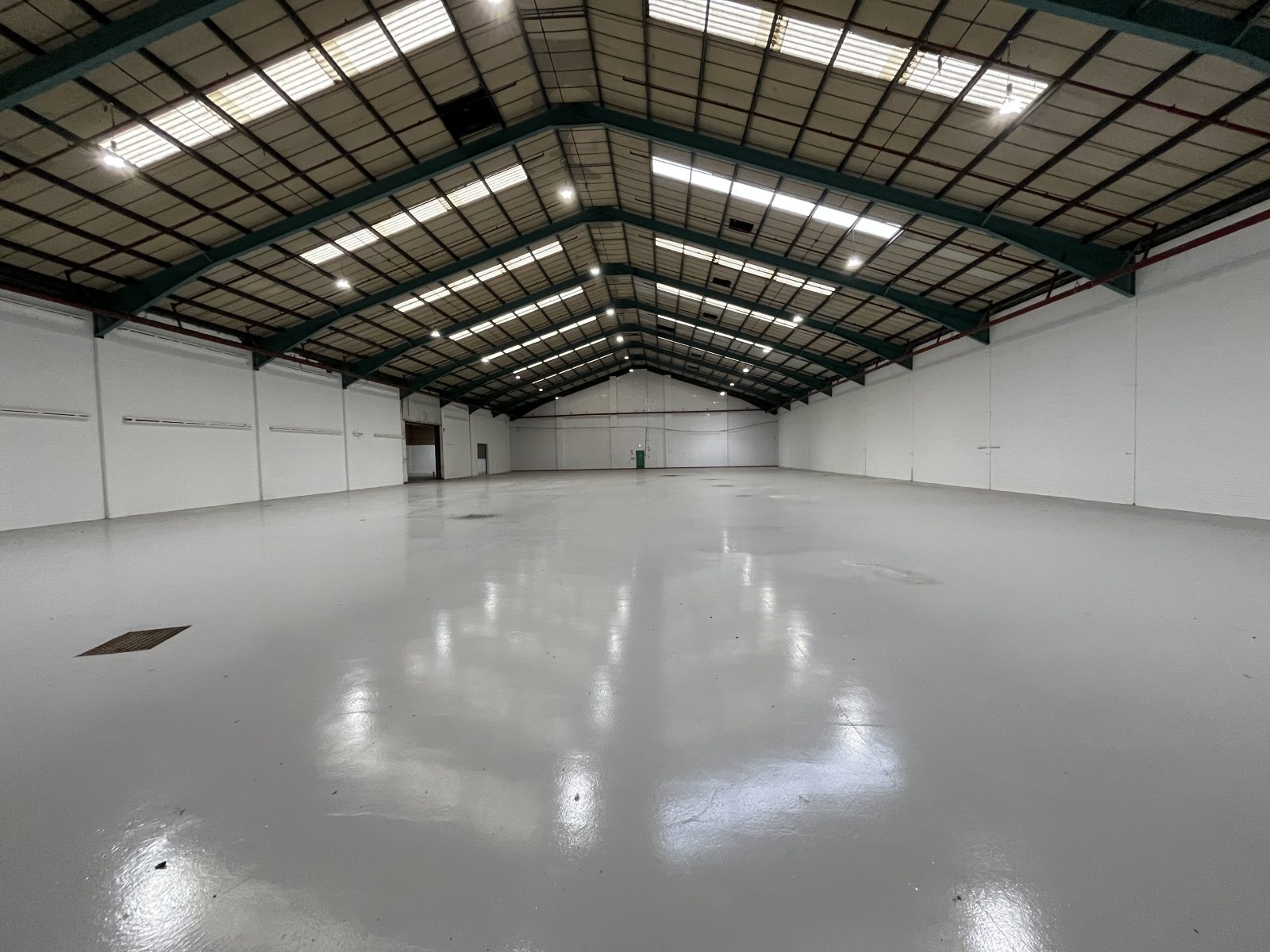
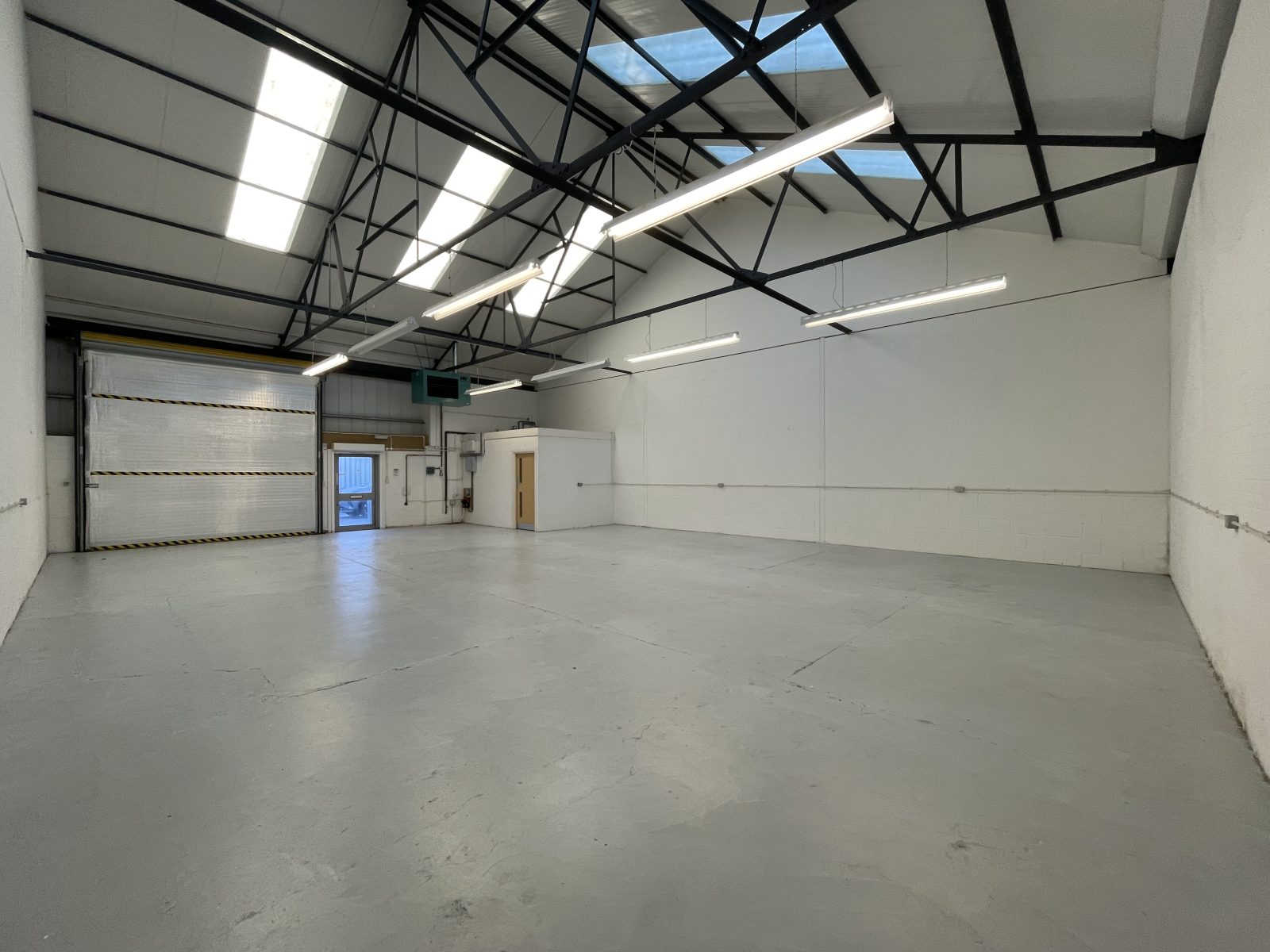
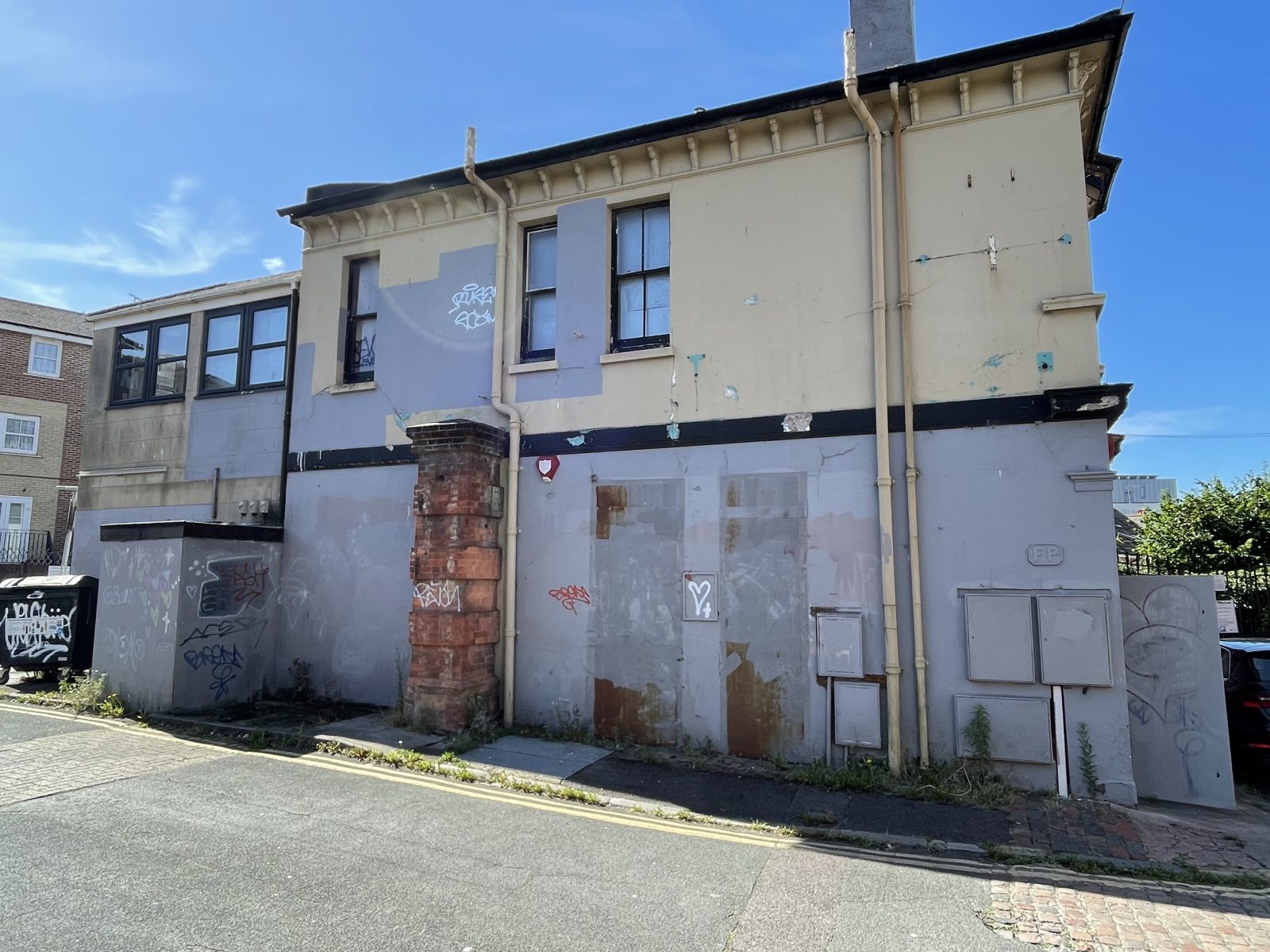
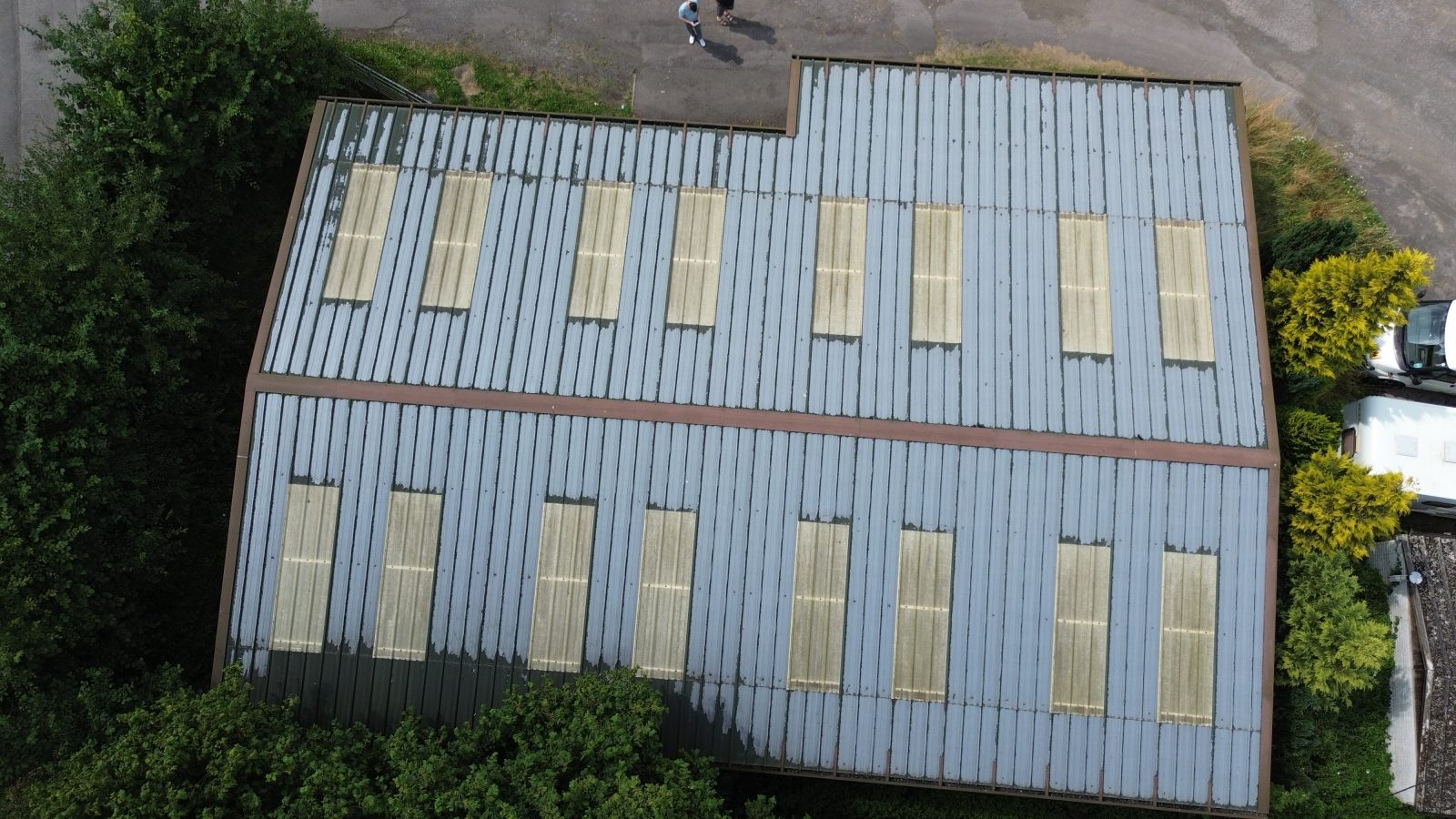
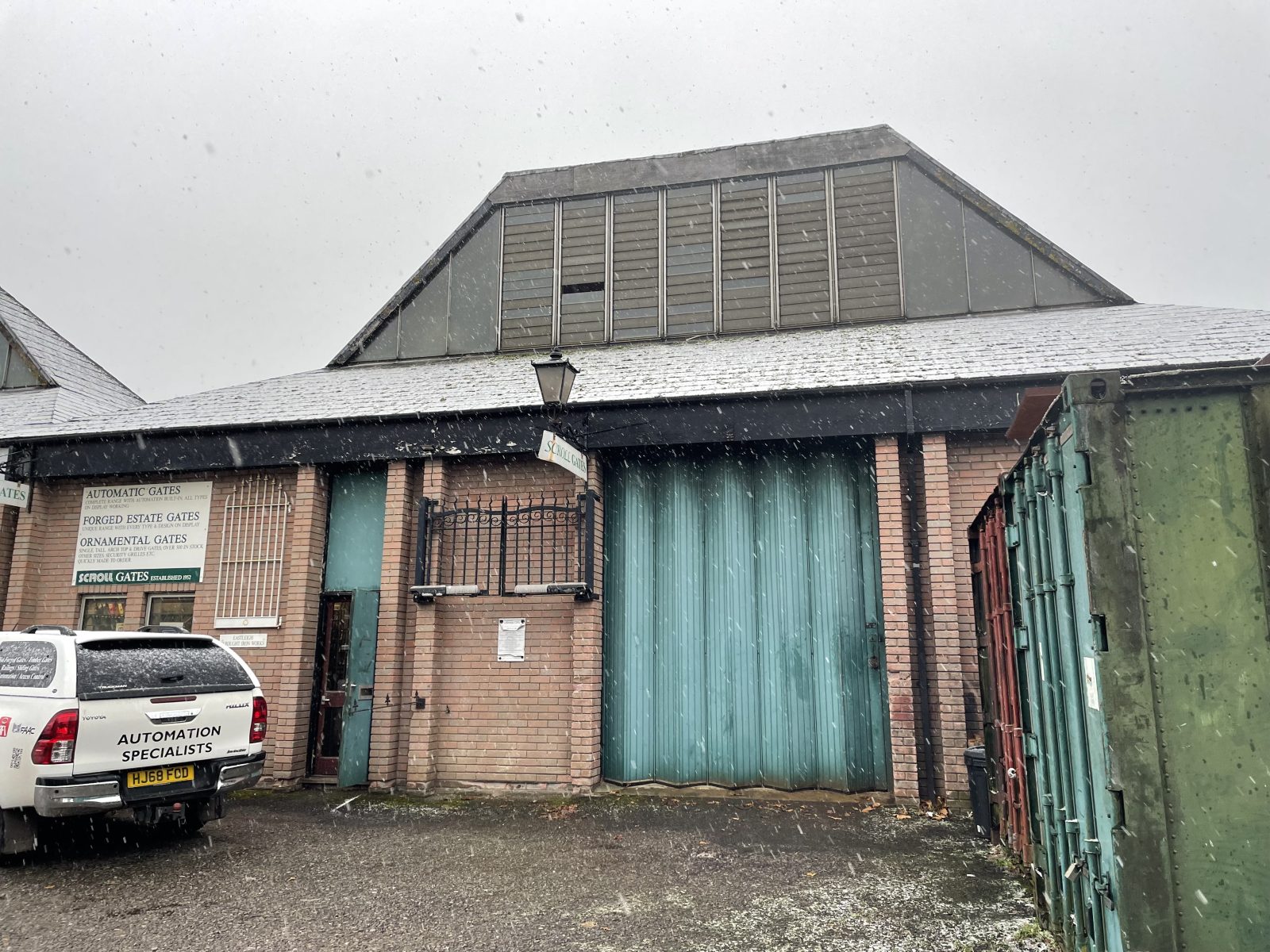
We carry out a thorough inspection of the property and produce a clear, professionally presented Schedule combining detailed written descriptions with comprehensive, annotated photographs. We record the structure and external fabric, including roofs, elevations, cladding and windows; the internal condition, including floors, floor slabs, walls, ceilings and finishes; and the services and external areas, including service yards, as appropriate to the property and your lease. On Andover’s industrial and ageing stock we take particular care to document existing wear to roofs, cladding, floor slabs and yards, exactly the items most likely to feature in a future dilapidations claim. Our roof and high-level inspections use drone technology as standard and at no additional cost, ensuring that even the large or difficult-to-access roof areas of industrial units, often the most contentious at lease end, are properly recorded. The finished Schedule is prepared to be annexed to your lease, so it carries full contractual weight.
When to instruct us
The essential point is that a Schedule of Condition must be prepared before you complete on the lease, so it can be annexed to the lease and referred to in the repairing covenant. The best time to instruct us is during lease negotiations, once you have agreed heads of terms but before you sign, so there is time to inspect the property and prepare the Schedule, and for your solicitor to reference it correctly in the lease. If you are negotiating a lease on an Andover commercial property, involve us early so the protection is in place from day one. If you have already been offered a lease and completion is approaching, contact us promptly and we will move quickly.
Why Andover tenants choose us
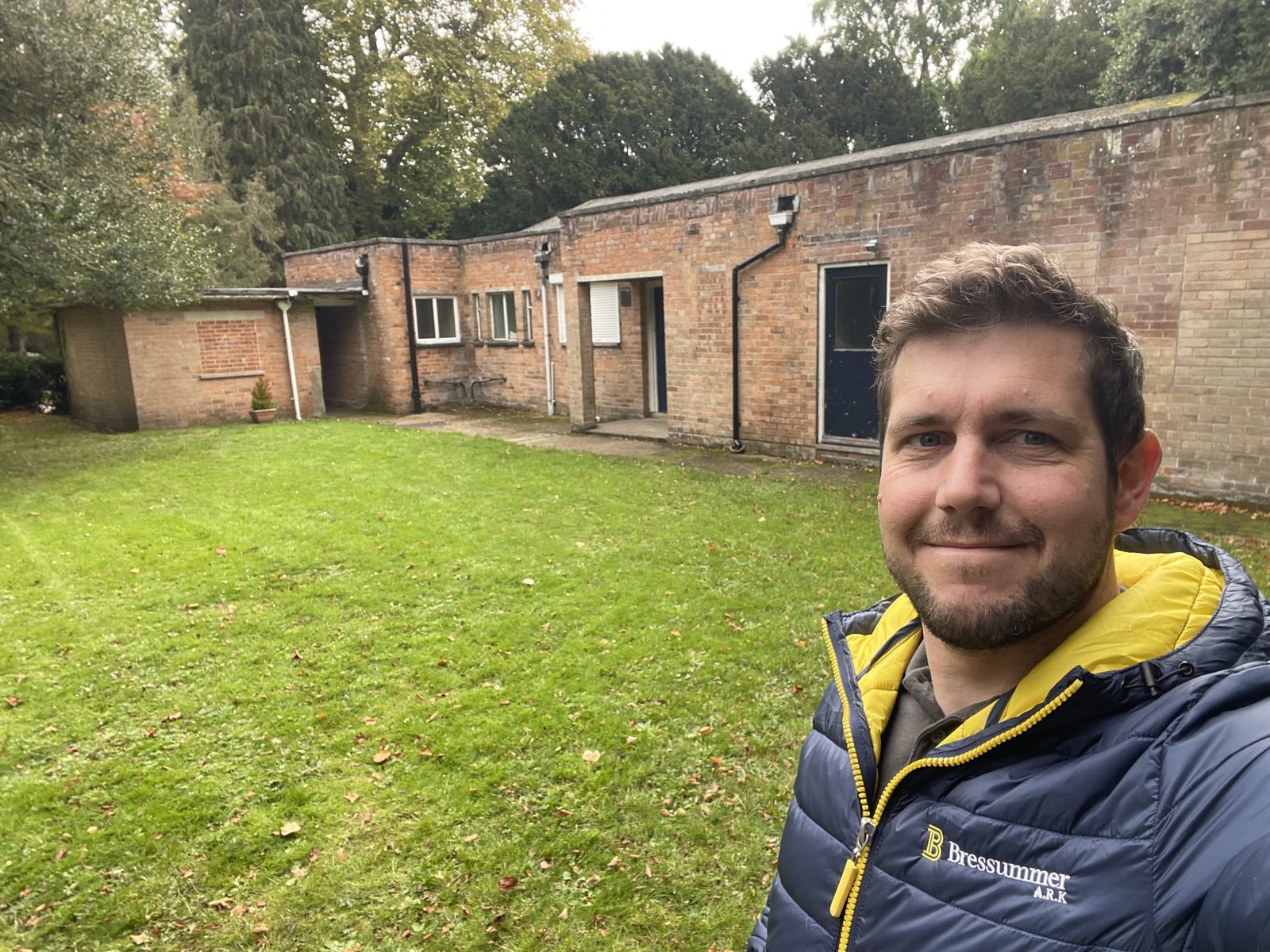
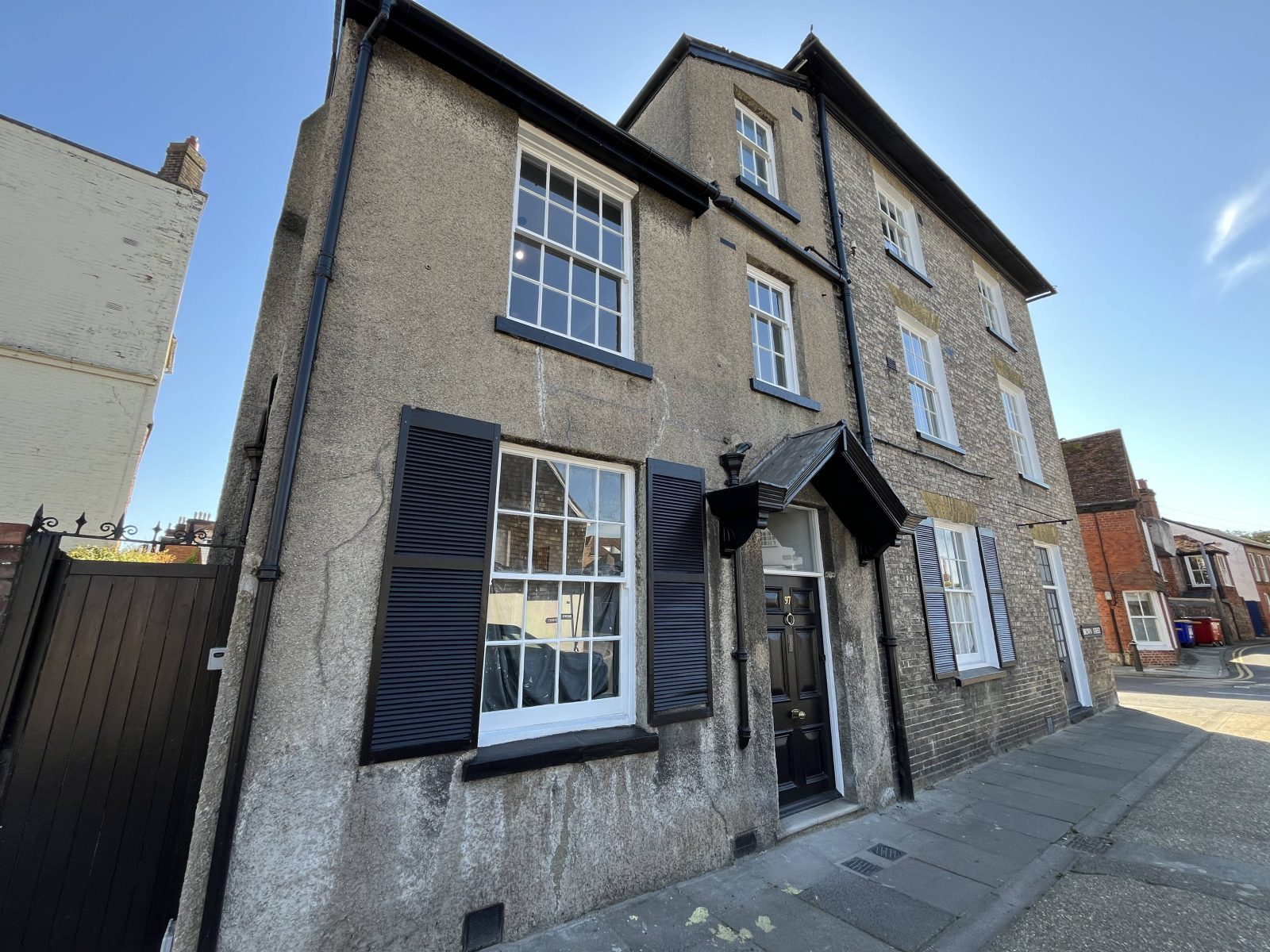
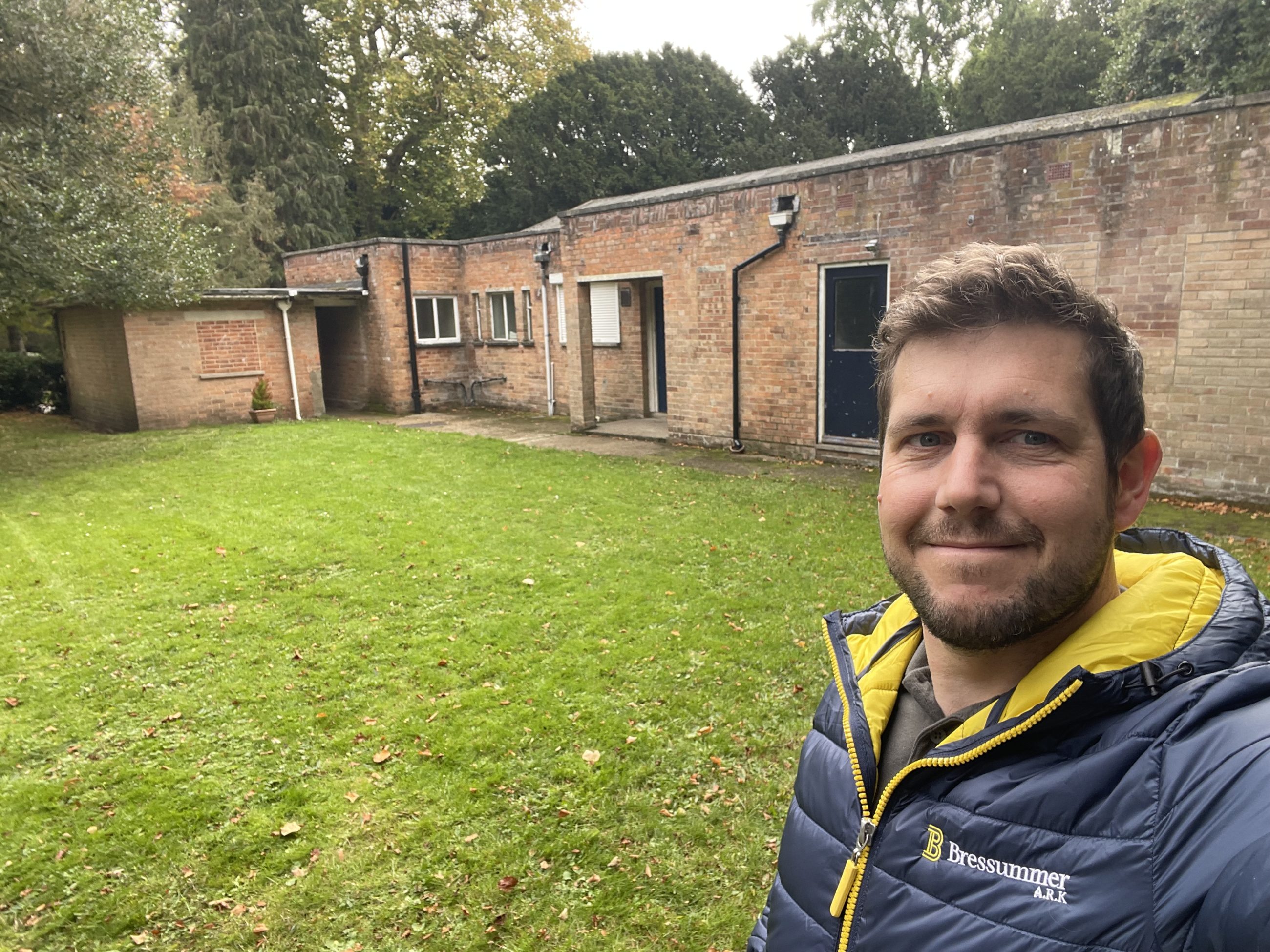
We combine genuine technical expertise, across both the industrial and period buildings common in Andover, with a personable, responsive approach. Every client deals directly with a chartered building surveyor, our Schedules are thorough and professionally presented so they carry real evidential weight, and we work to your lease timetable. Because we also handle dilapidations claims, we know precisely what a well-prepared Schedule of Condition needs to contain to protect you effectively when a claim is eventually made, and we prepare every Schedule with that end firmly in mind. Based nearby at Hursley, near Winchester, we cover Andover and the Test Valley easily and quickly. We have saved clients over one million pounds through our dilapidations and lease advisory work, and a robust Schedule of Condition is one of the simplest ways we help tenants avoid unnecessary cost.
Schedule of Condition or Commercial Building Survey?
Tenants sometimes ask how a Schedule of Condition differs from a building survey, and whether they need both. They serve different purposes. A Schedule of Condition is a factual record of the property’s condition at lease start, prepared specifically to limit your dilapidations liability, and annexed to the lease. A Commercial Building Survey is a broader assessment of a building’s condition and defects, prepared to inform a purchase or leasing decision. For a tenant taking a lease, the two work well together: the survey helps you understand what you are taking on and negotiate terms, while the Schedule of Condition protects your position at the end of the lease. Where both are instructed together, we can carry them out efficiently and offer a reduced overall fee, and we are always happy to advise on which you need for your particular situation.
Who we prepare Schedules of Condition for in Andover
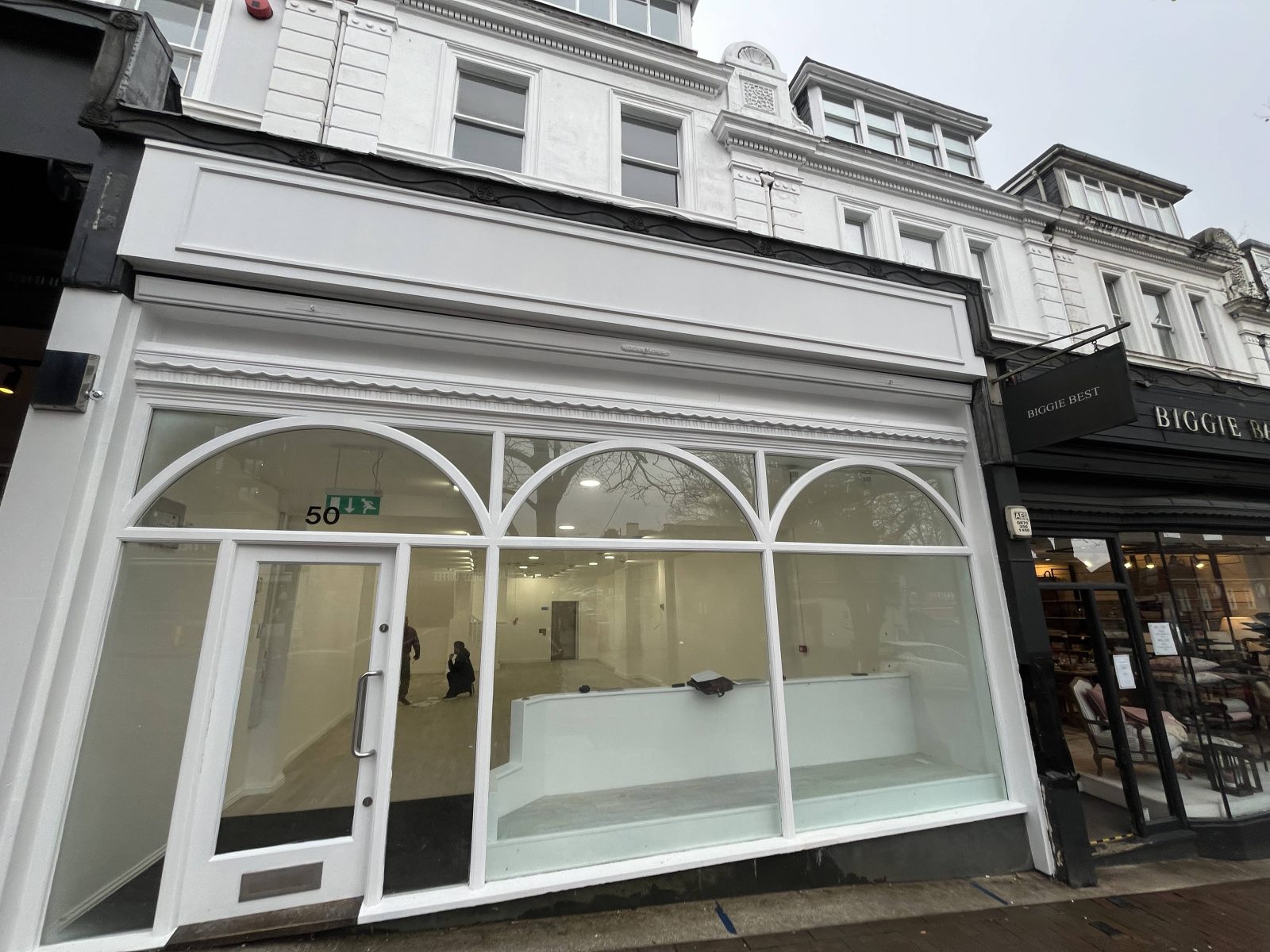
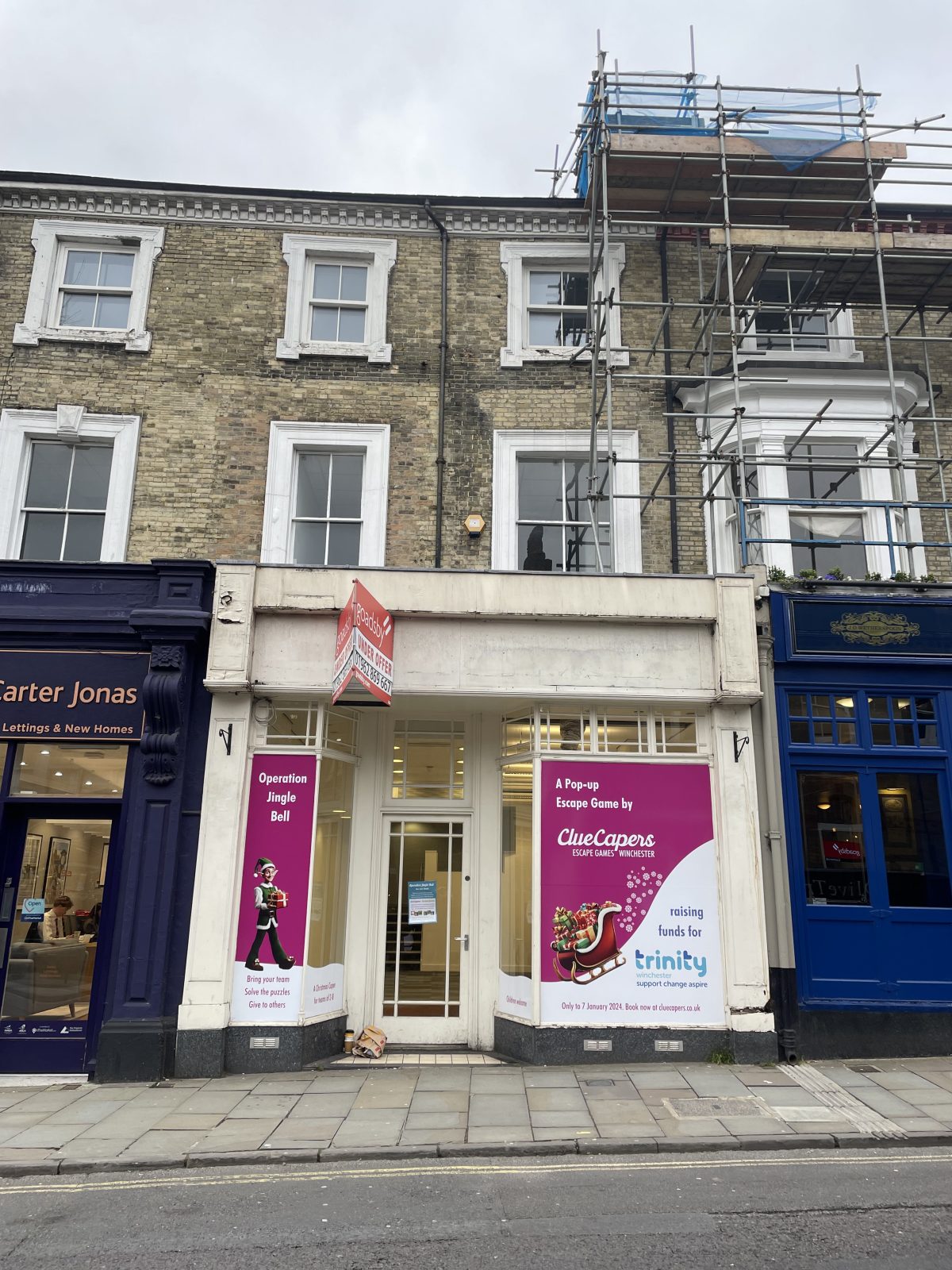
We act for the full range of commercial tenants across Andover, from small independent businesses taking their first lease to established occupiers and national operators. We prepare Schedules of Condition for office and retail tenants in the town centre, and, very commonly, for industrial, warehouse, distribution and trade occupiers taking units on Walworth Business Park, Andover Business Park, Portway Industrial Estate and the surrounding commercial areas. The common thread is that all of them benefit from the same protection: a clear, contemporaneous record of the property’s condition that caps their repairing liability and removes the uncertainty from a future dilapidations claim. On the larger industrial units in particular, where an end-of-lease claim can be very substantial, a modest Schedule of Condition at the outset is among the most valuable protections a tenant can put in place.