Insight
How Can Landlords Use Dilapidations to Protect Their Property’s Condition and Value?

Insight
Dilapidations play an important role in protecting the condition and value of commercial properties. We explore how landlords can identify potential liabilities, manage lease-end obligations and take a proactive approach to dilapidations claims.
Dilapidations allow commercial landlords to address breaches of a tenant’s repairing, redecoration and reinstatement obligations. By identifying defects, preparing a Schedule of Dilapidations and taking appropriate action before or after lease expiry, landlords can protect their property’s condition, manage potential financial losses and prepare the premises for its next use.
Dilapidations are an important part of protecting a commercial property investment. They provide a means of addressing breaches of lease obligations that could otherwise leave landlords facing repair costs, delays in re-letting or a reduction in the property’s value.
Most commercial leases place responsibility for certain repairs, maintenance and decorations on the tenant. Depending on the lease terms, tenants may also be required to remove alterations and reinstate the premises to an agreed condition when they leave.
Where these obligations have not been met, the landlord may be entitled to pursue a dilapidations claim.
The condition in which a property is returned can have a direct impact on its future use. Outstanding repairs or alterations may need to be addressed before the premises can be marketed or occupied by a new tenant.
For landlords, the objective is not simply to recover the cost of repairs. It is to understand the property’s condition, establish the tenant’s contractual responsibilities and determine the most appropriate approach to protecting the asset.
The Royal Institution of Chartered Surveyors (RICS) guidance on dilapidations explains the importance of considering both the lease obligations and the landlord’s intentions when assessing a claim.
Landlords should consider commissioning a dilapidations survey before the end of a commercial lease, particularly where significant repairs or reinstatement works may be required.
An inspection during the final months of occupation allows potential breaches to be identified while there is still an opportunity for the tenant to address them.
At Bressummer Ark, we regularly advise landlords on the appropriate timing and strategy for dilapidations claims. In our experience, leaving matters until the tenant has vacated can reduce the options available and make the process more difficult to manage.
There are two main types of schedule landlords may consider:
| Type of schedule | When it is used | Purpose |
|---|---|---|
| Interim Schedule of Dilapidations | During the lease term | Identifies breaches that may need addressing during occupation |
| Terminal Schedule of Dilapidations | Usually towards the end of the lease | Identifies outstanding obligations and anticipated remedial works |
| Final Schedule of Dilapidations | Following lease expiry | Records outstanding breaches and supports a claim for damages |
Timing is particularly important where a lease requires the landlord to serve notice for the reinstatement of tenant alterations.
An early review of the lease and property condition can help establish whether notices are required and ensure important opportunities are not missed.
A landlord’s claim will depend on the obligations contained within the lease and the condition of the property.
A Schedule of Dilapidations will typically consider matters such as:
However, landlords cannot automatically recover the full cost of every item included within a schedule.
Section 18(1) of the Landlord and Tenant Act 1927 places a limit on damages for breaches of repairing covenants. Broadly, the recoverable damages cannot exceed the reduction in the value of the landlord’s interest caused by the disrepair.
A landlord’s intentions for the property are also important.
For example, where substantial refurbishment or redevelopment is planned, some of the works identified in a dilapidations schedule may be superseded. These circumstances need to be considered carefully when establishing the appropriate claim.
We explored the impact of a property’s future use and re-letting arrangements in our related article, Dilapidations and New Lettings: How a Change of Tenant Can Transform a Claim.
The strongest approach is generally to plan ahead, understand the tenant’s obligations and ensure any claim is supported by clear evidence.
A properly prepared Schedule of Dilapidations provides a detailed record of the alleged breaches, the works required and, where appropriate, their estimated costs.
Following lease expiry, the landlord will usually issue a Quantified Demand setting out the financial loss arising from those breaches.
The Pre-Action Protocol for Claims for Damages in Relation to the Physical State of Commercial Property at Termination of a Tenancy states that landlords should generally provide the schedule and Quantified Demand within 56 days of the tenancy ending.
The protocol also makes clear that the amount claimed should reflect the landlord’s likely loss, which may differ from the estimated cost of the works.
At Bressummer Ark, we have found that understanding the landlord’s objectives from the outset is an important part of developing the right strategy.
A landlord intending to re-let a property immediately may have different priorities from one planning extensive refurbishment. In either case, the approach to dilapidations should reflect the property’s future use and the landlord’s commercial interests.
Taking professional advice early can help landlords establish a realistic claim, avoid unnecessary disputes and make informed decisions about the next steps.
Bressummer Ark provides specialist dilapidations consultancy services for commercial landlords, from preparing interim and terminal schedules through to negotiating claims with outgoing tenants. Our chartered building surveyors offer practical, commercially focused advice to help protect your property’s condition and value.
To discuss an upcoming lease expiry or dilapidations claim, call 01962 656520 or email sales@bressummerark.co.uk.
It’s important, in order for us to understand your requirements from the outset in order to give the best commercial building consultancy advice we can.
Contact a Surveyor Today
Dilapidations claims don't always result in the full amount being paid. We explain how settlements are negotiated, what affects the final figure and the possible outcomes for commercial landlords and tenants.

Understanding your dilapidations liability before lease expiry can help avoid unexpected costs and allow for better financial planning. Bressummer Ark provides independent dilapidations assessments for commercial tenants, helping businesses understand their obligations and prepare for the end of their lease.
A Schedule of Dilapidations served at lease expiry rarely tells the full story. One of the most significant factors we see shift the value and viability of a claim is whether the landlord has already re-let the premises, or has a prospective letting in place, evidenced by agreed Heads of Terms. We have dealt with, and settled, numerous cases recently where this single fact has had a material impact on the claim, whether through significant reduction, reformulation, or the claim falling away almost entirely.
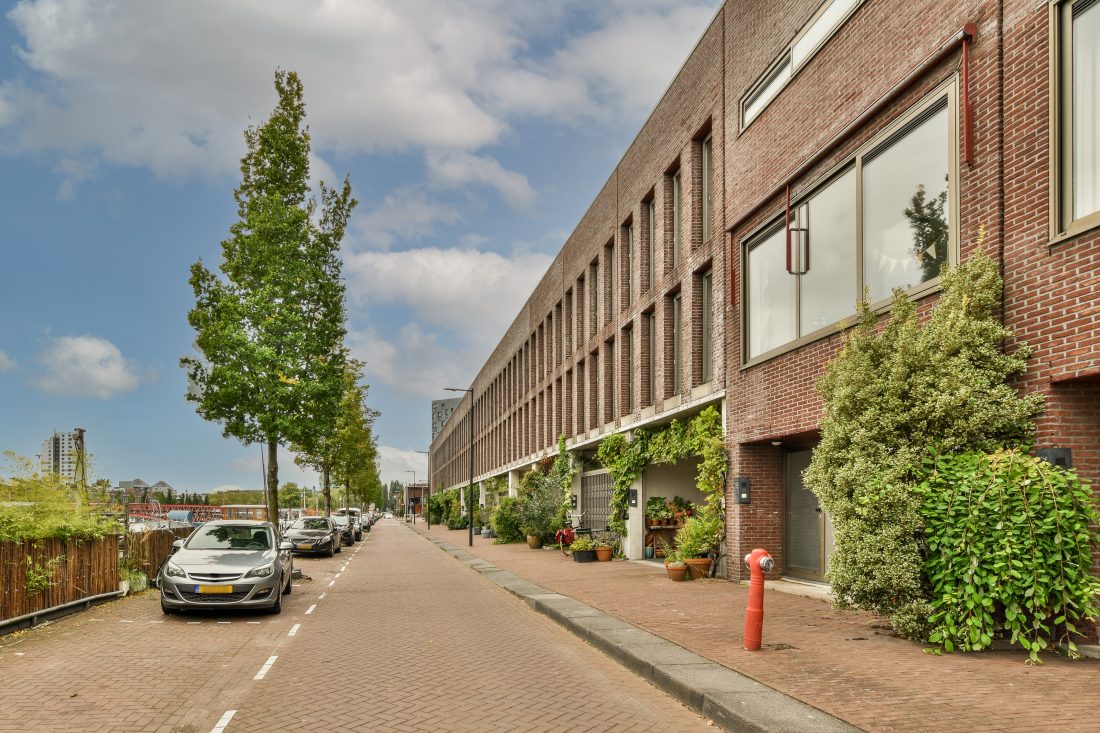
Measured surveys are one of the more overlooked services in commercial property. Until someone needs one and realises the existing plans can't be trusted. In this article, the Bressummer A.R.K team explains what a measured survey actually involves, why floor area accuracy matters more than most people assume and outline the situations where commissioning one is the right call.

Commissioning a commercial building survey is one thing. Understanding what comes back is another. In the latest Bressummmer A.R.K guide we explain what a commercial building survey report actually contains, section by section, so that landlords and tenants know what they're receiving and how to use it.
Commercial property insurance is one of those things that tends to get set up once and then left alone. The premium comes around each year, the policy renews and it's easy to assume that if something is covered, it's covered adequately.

Installing air conditioning is about more than selecting the right system. From structural considerations to protecting the building fabric, discover why involving a building surveyor before installation can help avoid costly defects and ensure your property is ready for the works.

Session One of the 2026 RICS Assessment of Professional Competence (APC) is now underway, with Built Environment final assessment interviews beginning on 11 May 2026. For candidates working towards MRICS status, this is one of two key windows in the year to demonstrate that they have reached the required standard of professional competence, and with significant changes now in place, it is more important than ever to be properly prepared.

A different side of surveying that often goes unseen is supporting APC candidates on their journey to becoming Chartered Surveyors. At Bressummer Ark , our team regularly helps aspiring surveyors prepare for their APC through mock interviews, presentation reviews and practical guidance based on real industry experience.

With more commercial property owners looking at solar, the conversation is shifting. It’s no longer just about energy savings — it’s about whether your building is actually ready for it.

Quinquennial surveys provide clarity, reassurance, and a clear plan for maintaining historic buildings. Here’s why they matter more than you might think.
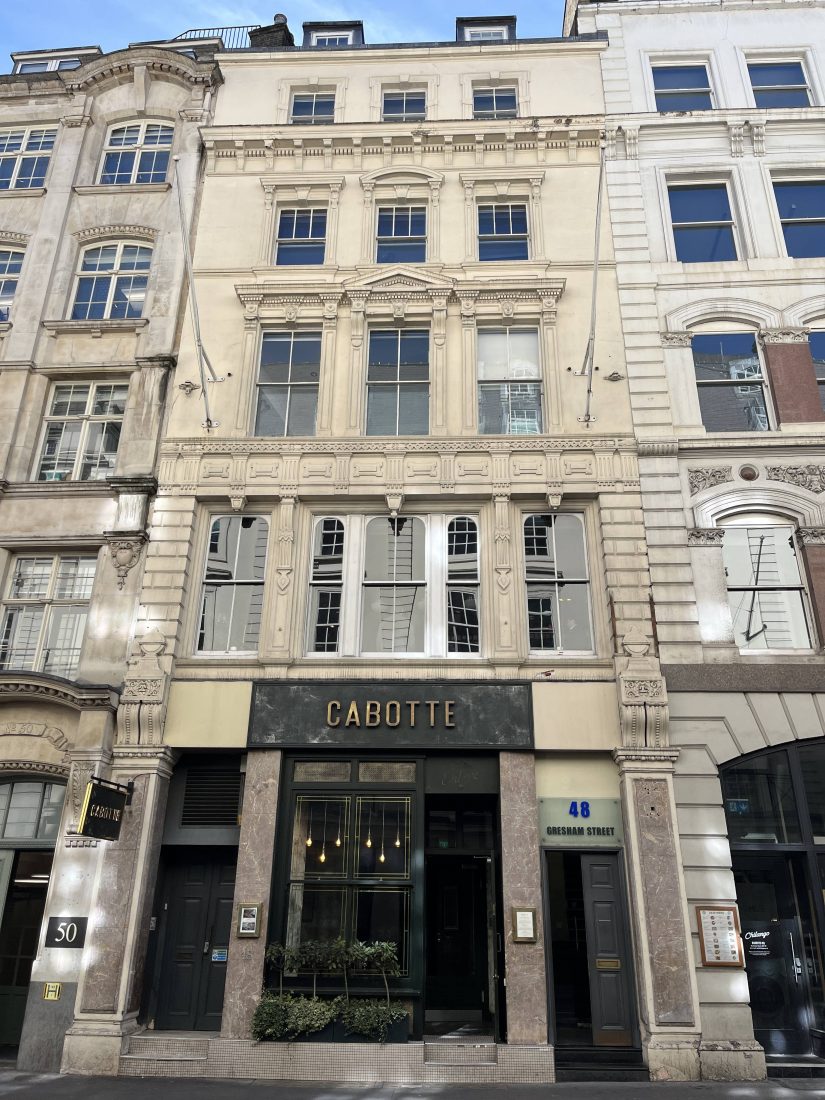
Full steam ahead on surveys and PPMs across the South, maintaining responsive service and supporting clients with fast-turnaround instructions.
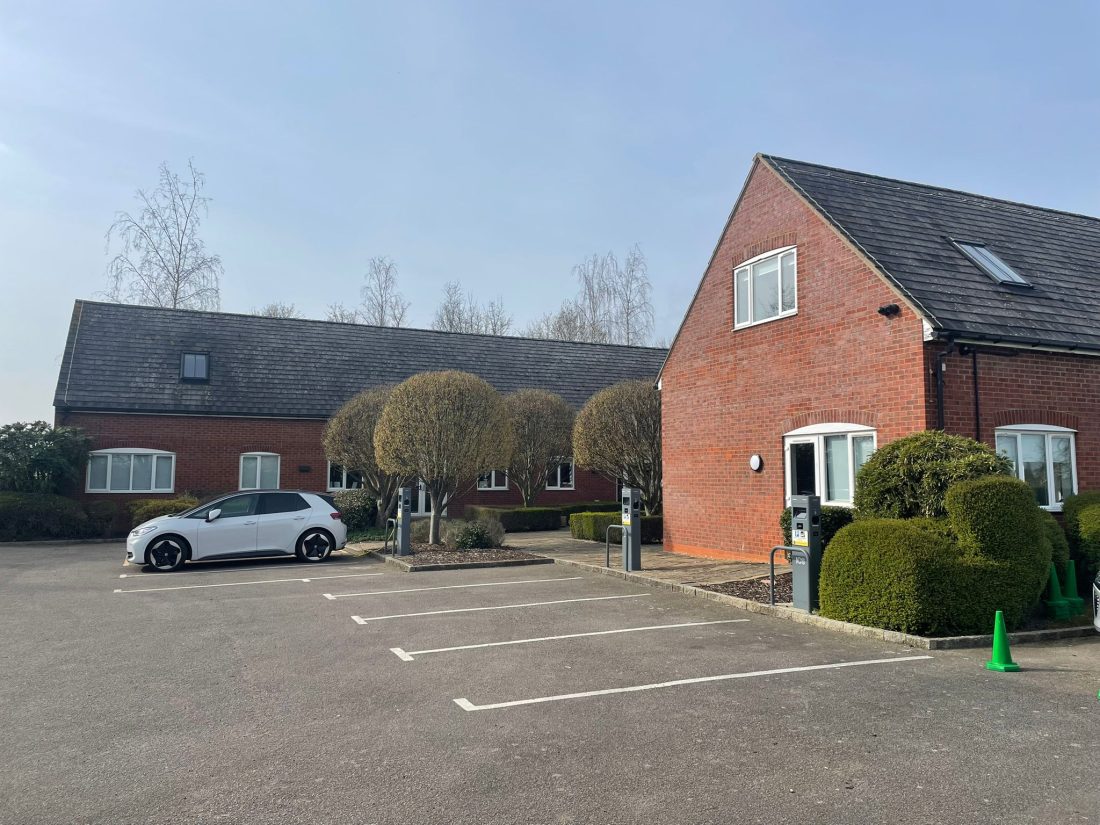
Most lease renewals are treated as routine — but without understanding the building’s condition, tenants can take on far more risk than they realise.

Energy efficiency is becoming an increasingly important issue in the UK commercial property market. Government regulations aimed at improving the environmental performance of buildings are evolving, and one of the most significant frameworks landlords need to understand is the Minimum Energy Efficiency Standards (MEES).

With the new RICS standard on AI now in effect, surveying firms must follow clear rules around how technology is used in professional services. We explore what this means for property owners and how Bressumer ARK ensures clients remain in safe hands.

Commercial property transactions often appear straightforward on the surface: agree terms, instruct solicitors, sign documents and complete. In reality, they carry significant technical and financial risk. Hidden defects, compliance issues and unclear repair obligations can quickly turn a good deal into an expensive mistake.
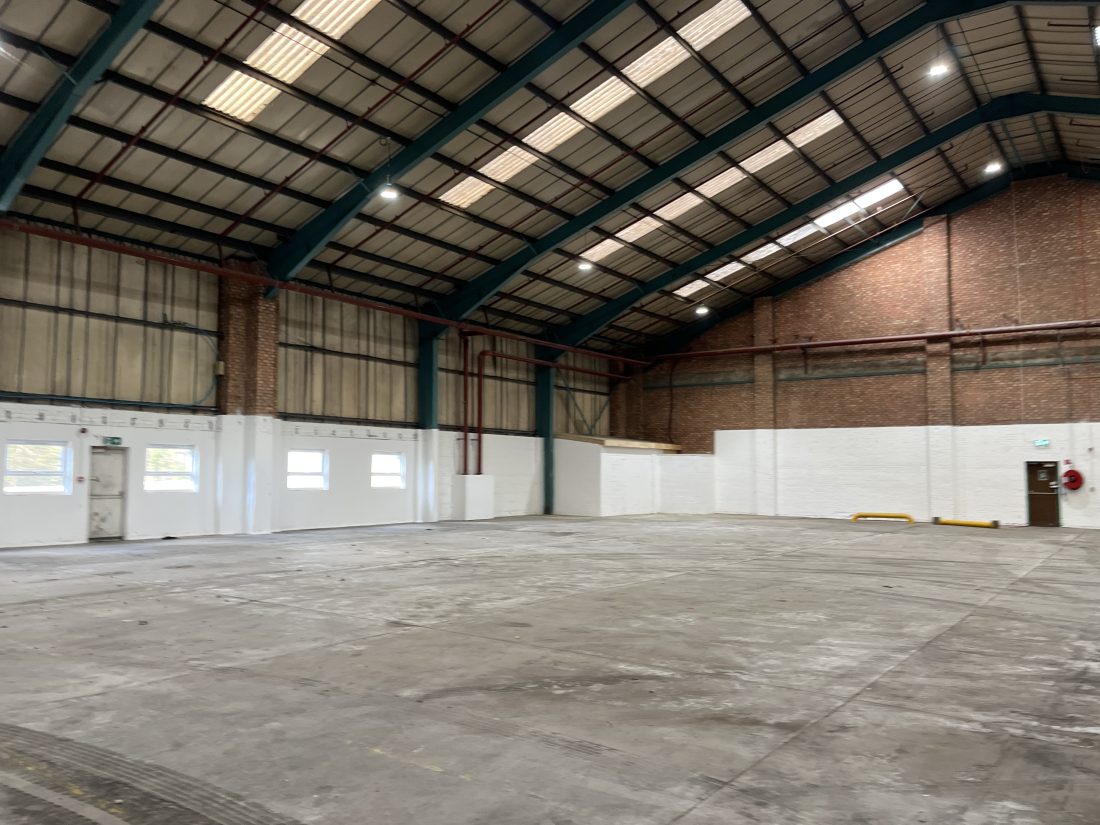
Industrial warehouses often appear simple, but many of the most costly issues remain hidden until a lease ends, a building is sold, or operations change. This article explains what surveyors look for in industrial warehouses — from roofs and floors to external areas and fire safety — and why understanding condition early can help reduce risk, cost and disruption.

We’re delighted to welcome Steve to the Bressummer A.R.K team as our new Associate Director. Here’s a little more about him…

Browse the questions we tend to get asked most around how we operate and our company.
Browse the questions we tend to get asked most around Dilapidation matters.
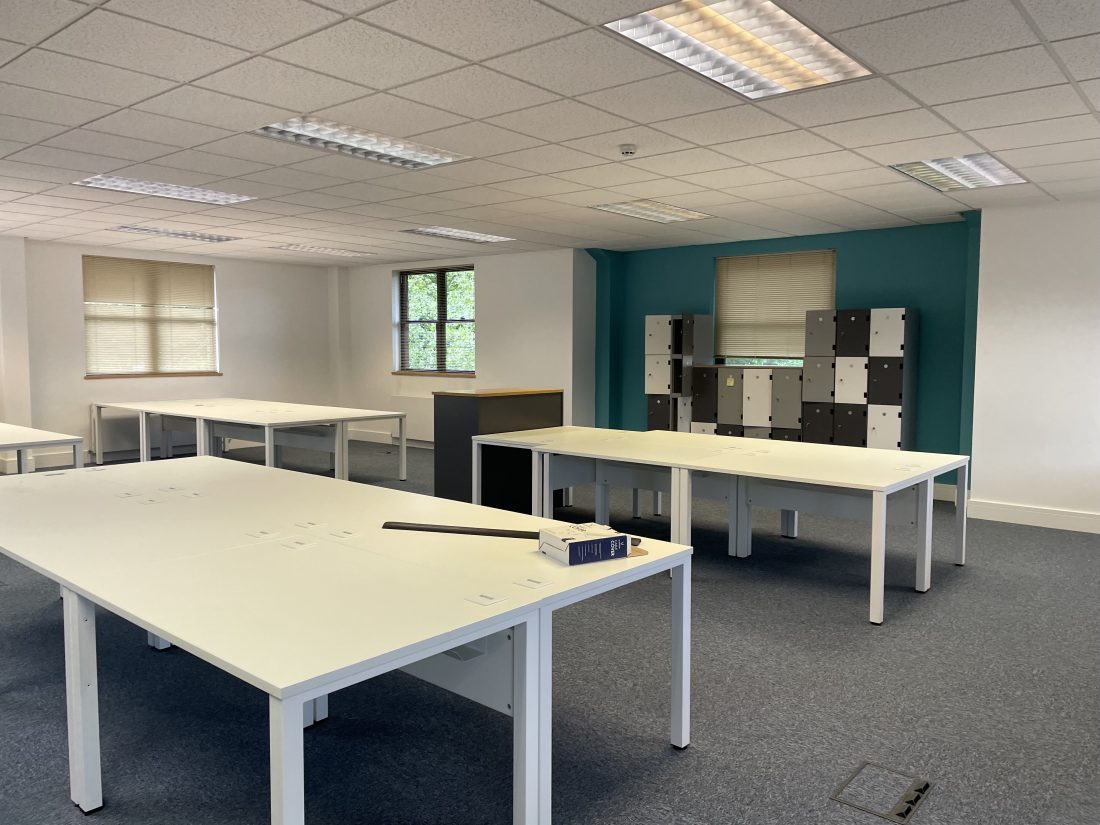
Understanding your dilapidation liabilities is essential for any commercial tenant preparing for the end of a lease. This clear and practical guide explains how Tenant's can make their own assessments from reviewing their obligations in the lease.
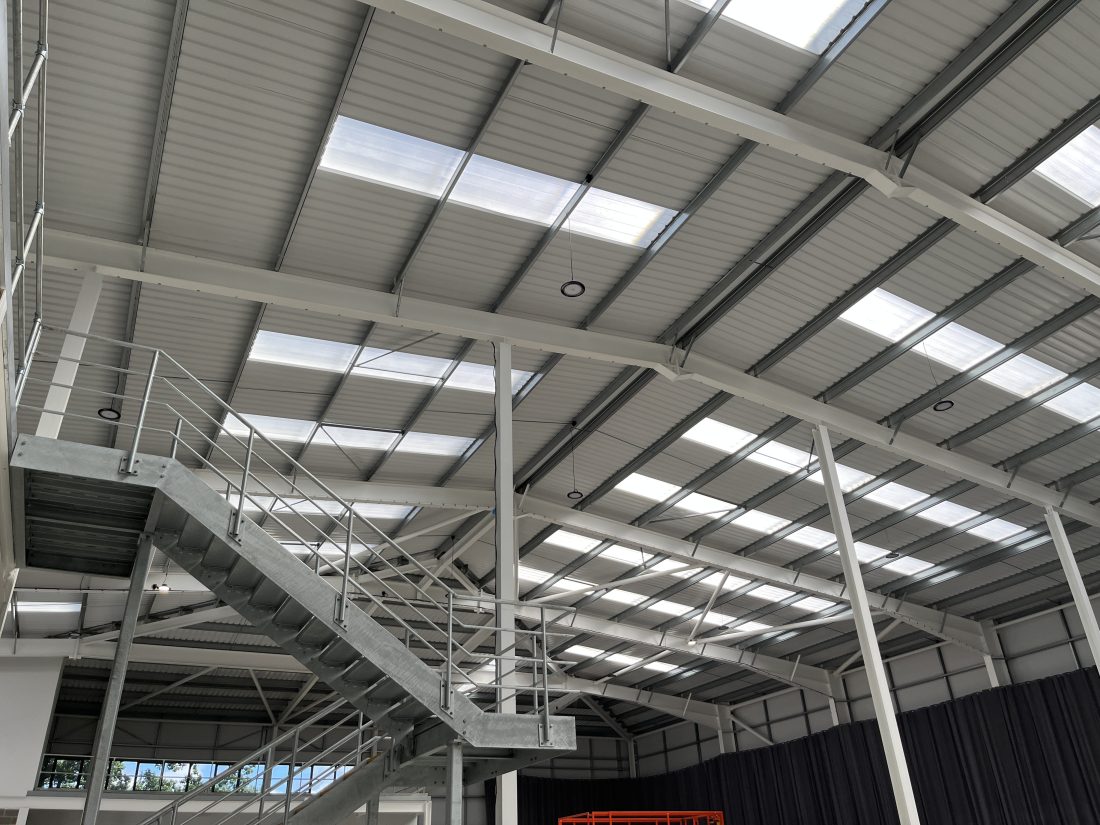
In this article, we look at the risks associated with tenant alterations in commercial buildings and how professional technical oversight helps protect landlords, buildings and long-term asset value.

Sustainability is no longer just a buzzword in commercial property. Across the UK, environmental performance is becoming a key consideration for landlords, investors and occupiers alike. One of the clearest signs of this shift is the growing use of green clauses in commercial leases.
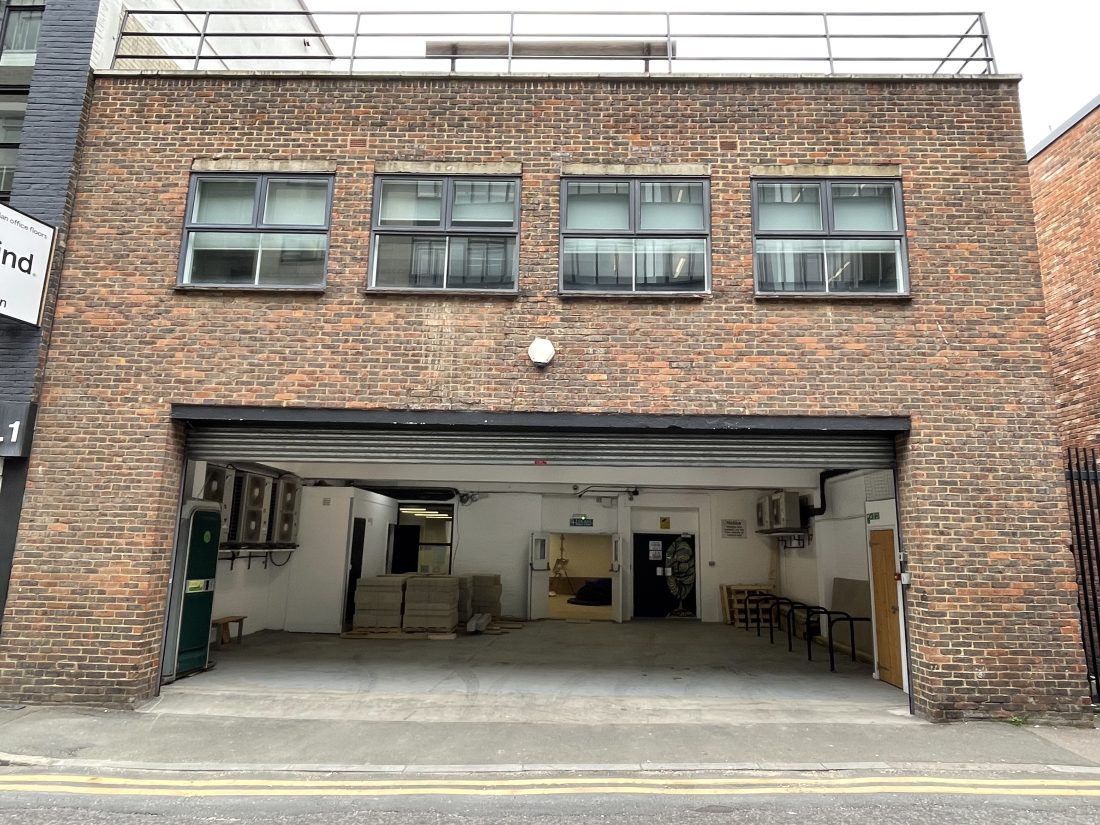
A practical guide to Schedules of Dilapidations, answering the five questions landlords and tenants ask most when approaching lease expiry.
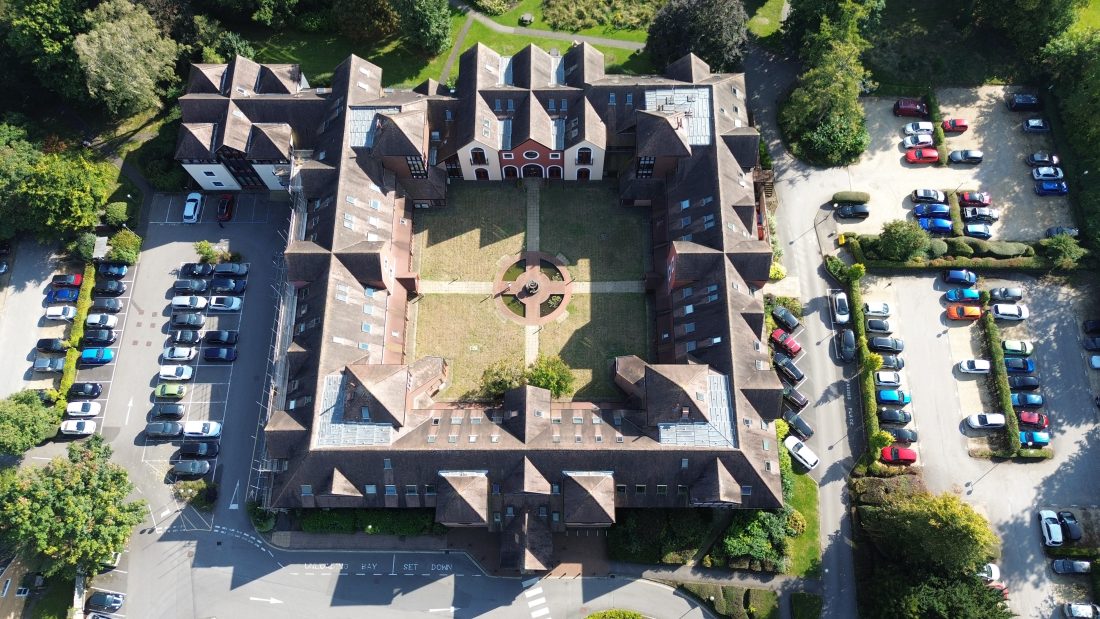
In this article we explain how commercial building consultancies structure and work out their pricing for carrying out commercial building surveys in England.

Technology is transforming building surveying, ushering the profession into a new era. Modern tools such as drones, 3D scanning and digital twins are reshaping how surveyors inspect, record and manage buildings. What once relied on tape measures, ladders and paper reports is now supported by high-precision digital data, delivering safer, faster and more accurate inspections. Yet while technology is driving impressive change, it doesn’t replace the surveyor’s expertise, it strengthens it.

Sustainability is no longer optional in commercial property. With the UK’s Net Zero targets and investor demand for ESG-compliant assets, landlords face growing pressure to upgrade their buildings. In this article, the Bressummer A.R.K team explore how to future-proof commercial buildings to remain compliant, competitive and attractive to tenants, while also protecting asset value in an evolving regulatory landscape.

A Schedule of Condition is one of the most powerful tools a tenant can use to manage risk in a commercial lease. By documenting the state of a property at the outset, tenants can prevent being unfairly held liable for pre-existing issues. In this blog, the Bressummer A.R.K team explain what a Schedule of Condition is, why it matters and how it can save tenants thousands of pounds in dilapidations claims.
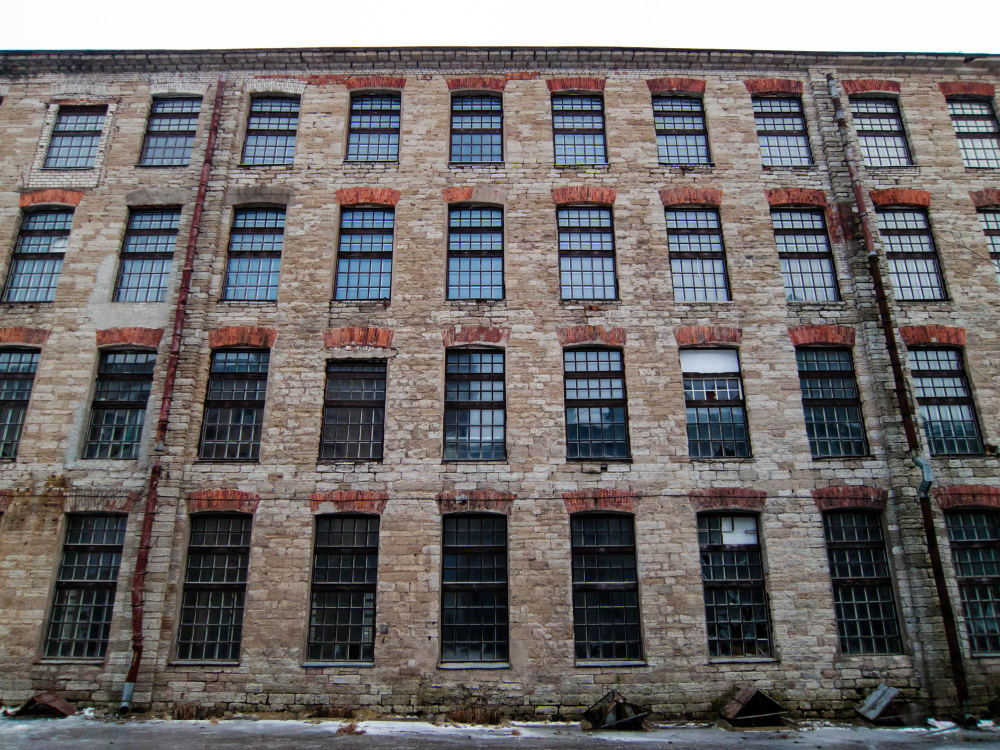
Dilapidation claims are a routine part of commercial property management, but they are also one of the most common sources of disputes between landlords and tenants. Many landlords weaken their position by making avoidable mistakes, from overestimating claims to failing to prepare evidence. In this blog, the Bressummer A.R.K team outline the most frequent errors that we see landlords make and explain how to avoid them, ensuring smoother negotiations and stronger recovery of costs.
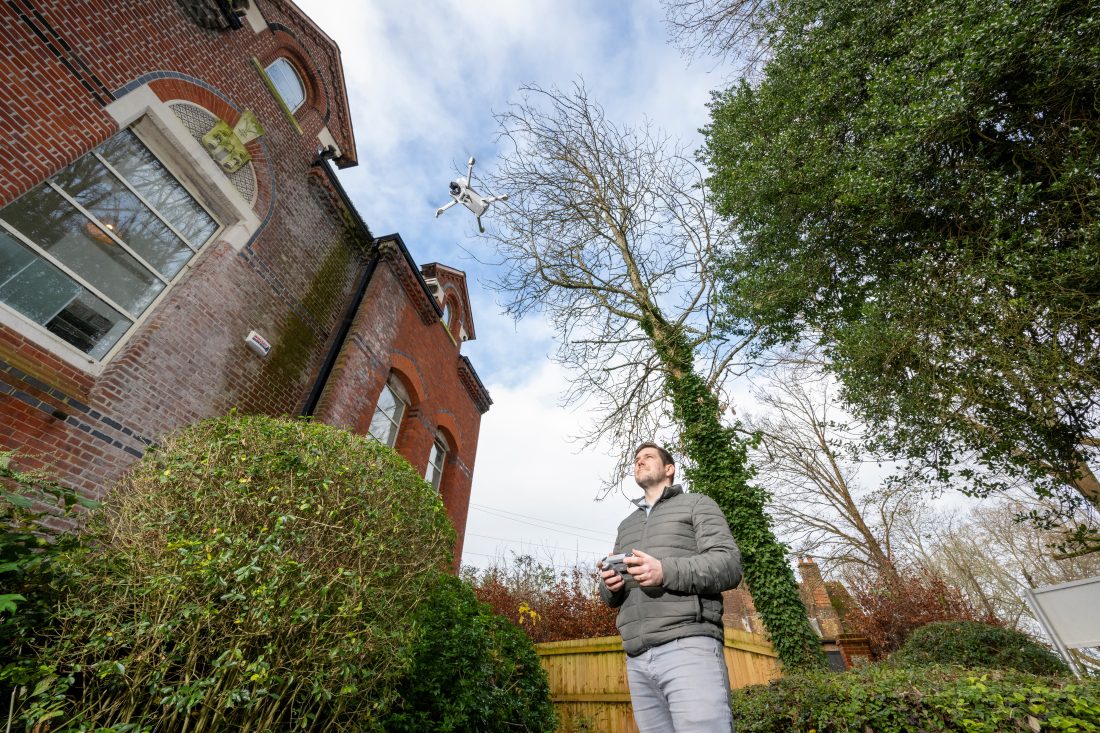
Signing a commercial lease is one of the biggest commitments a business will make, but it’s often rushed through under pressure to secure the right premises. This blog provides tenants with a practical, step-by-step checklist before signing, highlighting responsibilities, financial risks, and essential documents. With careful preparation and expert advice, tenants can avoid costly surprises and ensure their lease supports their long-term business goals.
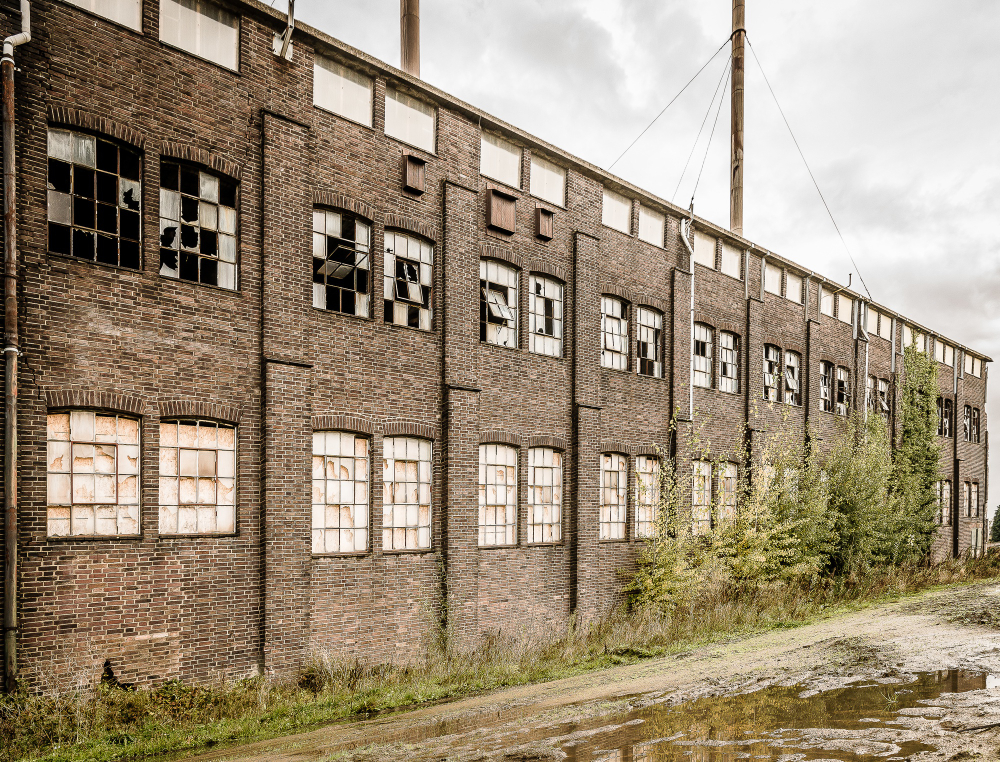
For many tenants, dilapidations is one of the most confusing, and costly, parts of leasing a building. Put simply, dilapidations refer to the repairs and reinstatement works that a tenant must complete under their lease obligations. Understanding the meaning of dilapidations early on can help you avoid unexpected bills, disputes with your landlord and unnecessary stress when your lease comes to an end.
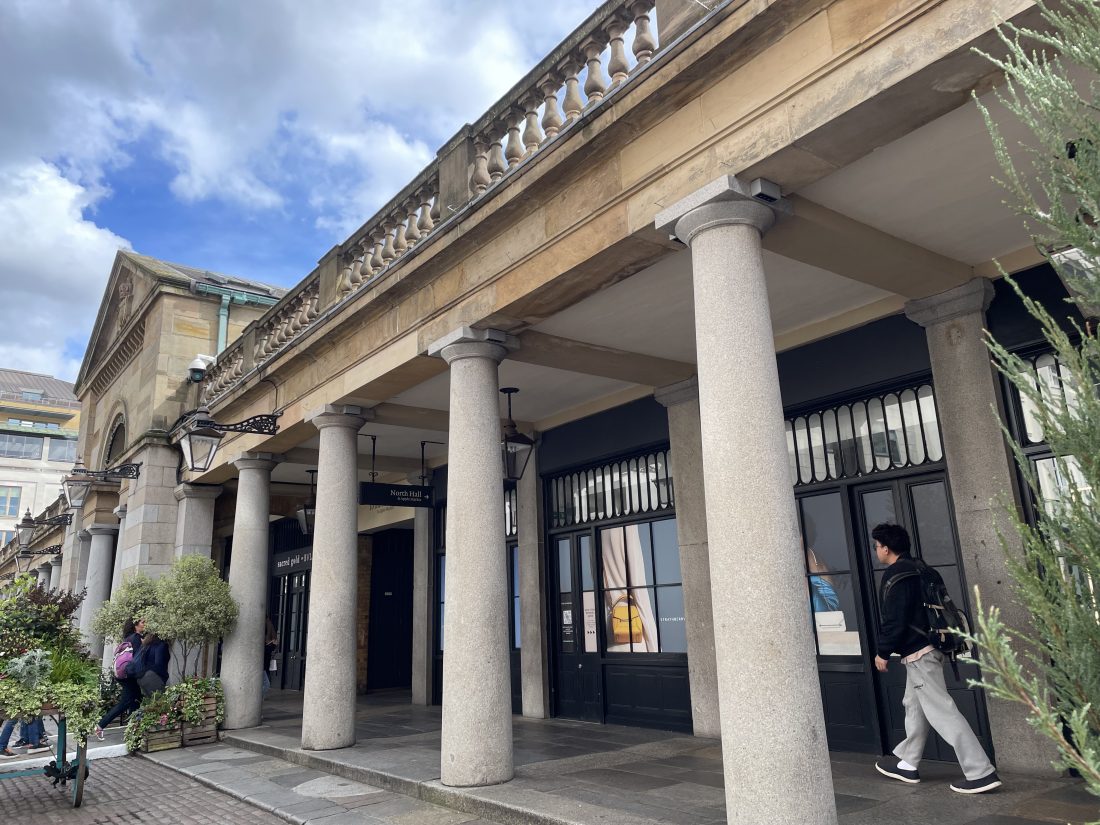
Who Pays for a Dilapidations Survey? A Guide for Commercial Landlords and Tenants. This article explains the typical lease clauses that allow surveyor costs to be claimed, why they exist, and what landlords can do to benefit from them.
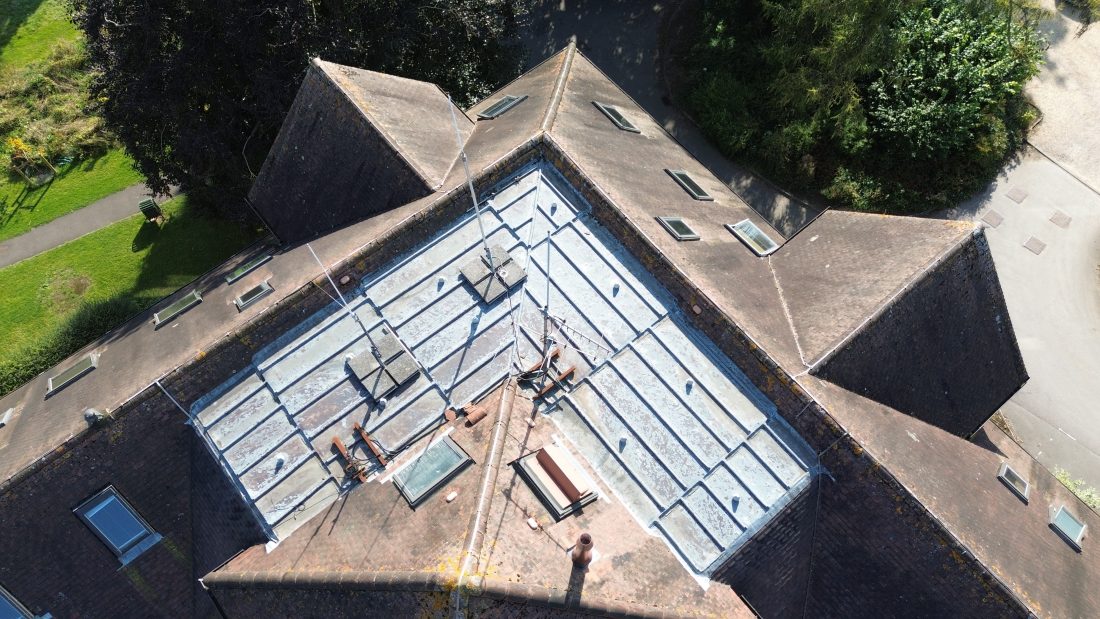
In this blog, we explain what a PPM Survey involves, why it is essential, and how it has already helped organisations like Test Valley Borough Council protect their property assets.
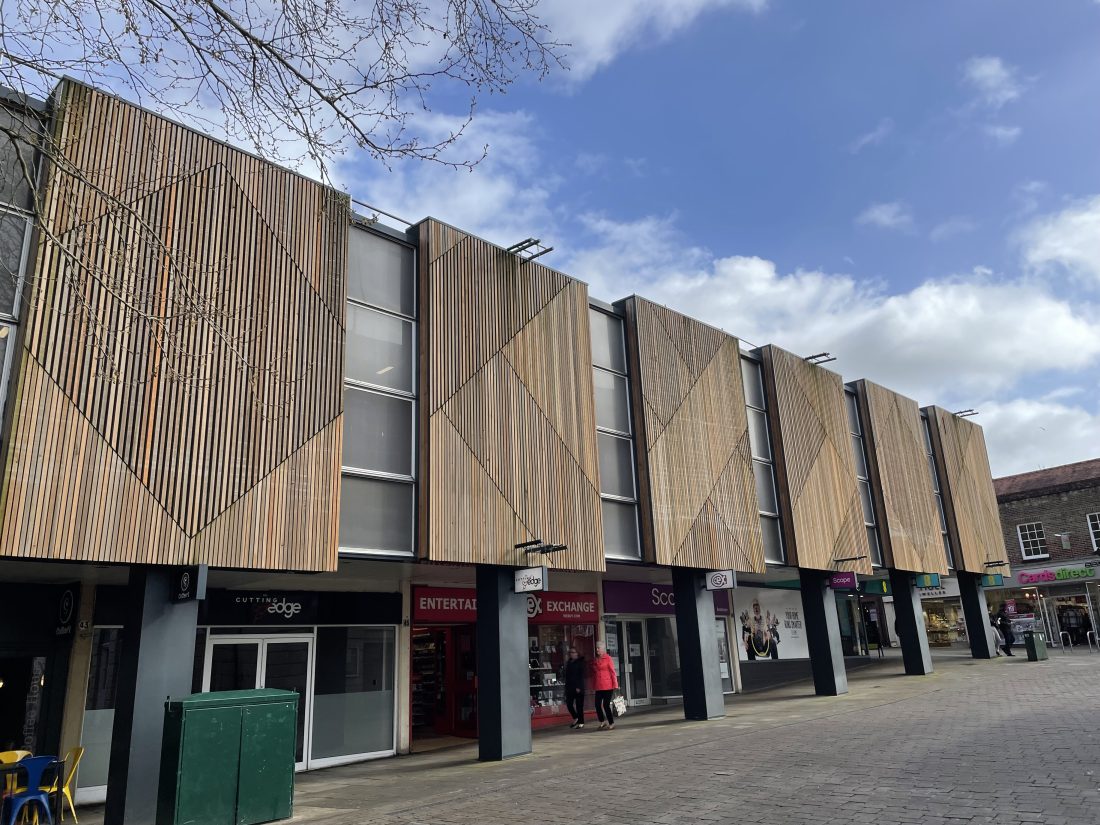
When buying or leasing a commercial property, it is easy to get caught up in the location, potential returns, and how quickly you can get the deal done. But one of the most important steps in protecting your investment is often overlooked — A Commercial Building Survey, also known as Technical Due Diligence or TDD.
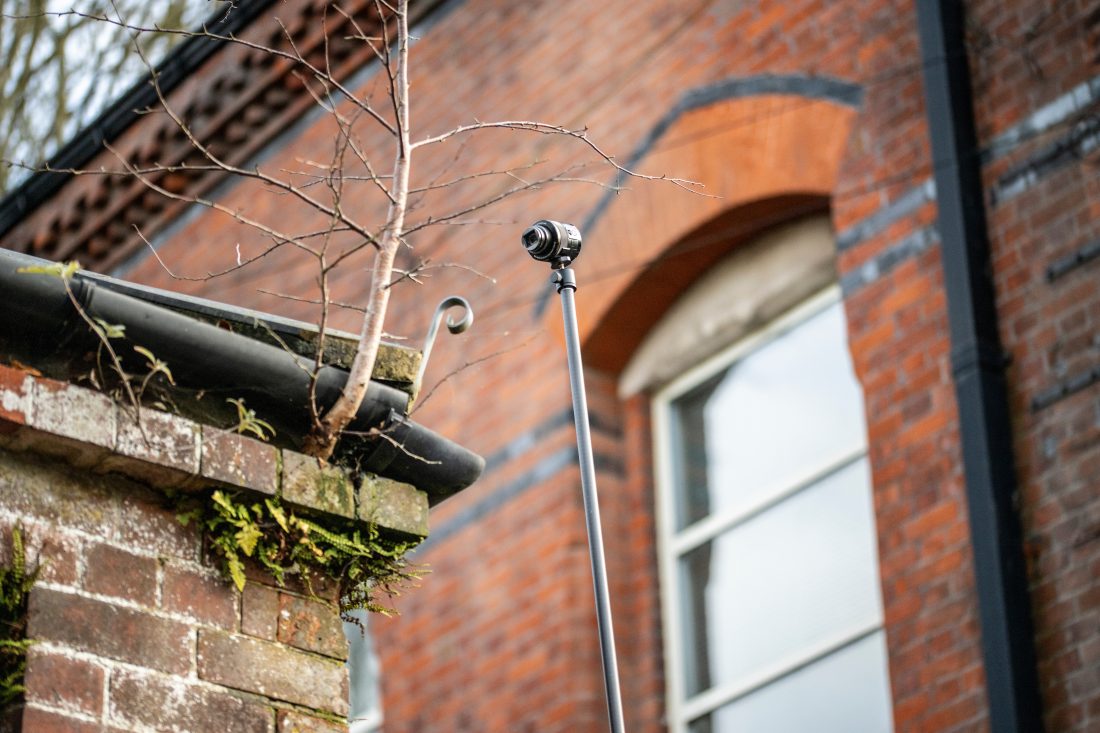
When delving into the intricacies of commercial real estate, one document that stands out is the Schedule of Condition (SOC). Think of it as a detailed 'snapshot' of a property’s current state, similar to an 'inventory' list for a rental car, capturing all existing dents and scratches before driving off the lot. This snapshot helps prevent disputes about who caused what damage later on.

At Bressummer ARK Ltd., we believe that business success should go hand in hand with making a positive impact.